U.S. ITA Expands List of Auto Parts Subject to Tariffs
Korean Parts Industry Faces Rising Costs and Declining Profitability
"Government Should Prioritize Negotiations... Policy Support Needed"
Concerns are mounting over declining profitability in the domestic auto parts industry as the administration of former U.S. President Donald Trump signals an expansion of the list of auto parts subject to a 25% tariff. Industry representatives have urged the government to respond quickly through negotiations with the United States and to expand policy support measures.
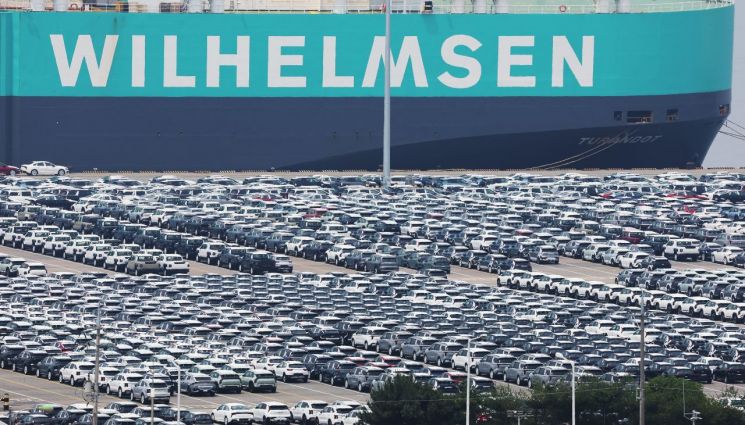
According to the industry on June 27, the International Trade Administration (ITA) under the U.S. Department of Commerce announced on June 24 (local time) that it has established procedures to add items to the list of parts subject to a 25% tariff under Section 232 of the Trade Expansion Act.
With this announcement, auto parts manufacturers in the United States will be able to submit the parts they wish to have subject to tariffs to the Department of Commerce starting July 1. The Department of Commerce plans to accept industry requests every January, April, July, and October. Currently, the United States has imposed a 25% tariff on key automotive parts?including engines, transmissions, powertrains, and electronic components?since May 3.
The domestic auto parts industry, which is already suffering significant losses due to tariffs, emphasized the need for the government to respond swiftly. According to a survey by the Korea Auto Industries Cooperative Association of domestic companies exporting parts to the United States, most companies are directly bearing the tariff costs at their headquarters in Korea.
Parts manufacturers cited "deteriorating profitability due to rising costs" as their greatest concern and pointed out that a prolonged U.S. tariff policy could lead to a decrease in export volumes. In a situation where it is difficult to demand higher prices from finished vehicle manufacturers to reflect the increased tariffs, an expansion of the list of tariffed items would only increase the burden.
Kim Younghoon, Director of the Association, stated at the "Policy Tasks for the New Government Desired by the Auto Industry" forum recently held by the Korea Automobile Mobility Industry Association, "The operating margin of the auto parts industry is around 3%, which is below the manufacturing industry average. With the additional burden of tens of billions of won in tariffs every month, small and medium-sized enterprises are seeing a negative impact on their performance."
Some companies are considering establishing local plants in the United States or producing via third countries, but are hesitant due to the challenges of initial investment and securing personnel. The Association therefore stressed that the government should prioritize negotiations with the U.S. government for tariff exemptions or reductions.
In terms of policy, the industry also called for financial and fiscal support, including measures to respond to exchange rate fluctuations, as well as funding and subsidies for overseas expansion. Oh Yunseok, Director of the Auto Parts Industry Promotion Foundation, said, "There are concerns about declining sales and shrinking customer bases due to the U.S. tariff hikes," and added, "The government should provide tailored policy support, such as utility cost assistance, easing of foreign labor regulations, and the establishment of an integrated support platform for environmental, social, and governance (ESG) compliance."
© The Asia Business Daily(www.asiae.co.kr). All rights reserved.
![Clutching a Stolen Dior Bag, Saying "I Hate Being Poor but Real"... The Grotesque Con of a "Human Knockoff" [Slate]](https://cwcontent.asiae.co.kr/asiaresize/183/2026021902243444107_1771435474.jpg)















