Record-low Number of Farming Returnee Households at 8,243 Last Year
Number of Fishing Returnee Households Also Continues to Decline, Down to 555
Last year, the number of households returning to farming and fishing decreased compared to the previous year, marking the lowest figures ever recorded since related statistics began. In particular, the number of farming returnee households plunged by 20%, the largest decline on record.
Record-low Number of Farming Returnee Households... Average Cultivation Area Increased
According to the "2024 Statistics on Returning Farmers, Fishers, and Rural Migrants" released by Statistics Korea on June 24, the number of farming returnee households last year was 8,243, a decrease of 2,064 households (20.0%) from the previous year. The number of farming returnee households, which began to decline in 2022 (-13.5%), continued its downward trend for a third consecutive year in 2023 (-17.0%), with the rate of decrease widening each year.
The average household size among farming returnee households was 1.30 persons, down by 0.03 persons. The total number of household members in farming returnee households was 10,710, a decrease of 2,970 persons (21.7%). The number of returning farmers was 8,403, down by 2,137 persons (-20.3%), and the number of accompanying household members was 2,307, a decrease of 833 persons (-26.5%).
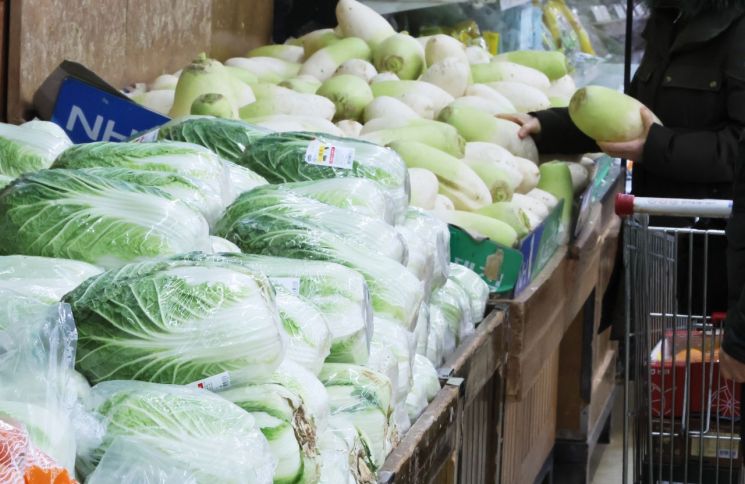
An official from Statistics Korea explained, "The number of farming returnee households and household members was the lowest since related statistics began in 2013," adding, "The rate of decrease in farming returnee households was also the highest ever recorded." The official further noted, "The number of households increased during the spread of COVID-19 but has since been declining," and explained, "Even when people move to rural areas, more are choosing to gain some experience before fully committing to farming, which has influenced the trend."
The average age of the head of a farming returnee household was 55.6 years, down by 0.7 years. By age group, those in their 60s accounted for the largest share (37.9%), followed by those in their 50s (29.2%), under 30s (13.1%), 40s (11.8%), and those aged 70 or older (8.0%). The proportions of those in their 60s, 50s, and 70 or older declined slightly, while the proportions of those under 30 and in their 40s increased.
By region, North Gyeongsang Province had the largest number of farming returnee households with 1,537 (18.6%). This was followed by South Jeolla Province (1,516 households), South Chungcheong Province (1,074 households), and South Gyeongsang Province (965 households). As the number of farming returnee households decreased last year, all provinces and metropolitan cities saw a decline. The decrease was particularly notable in Jeju (-40.7%), Gyeonggi (-34.3%), and Sejong (-34.0%).
The average cultivation area for farming returnee households growing crops was 0.33 hectares (3,282 square meters), a slight increase. Households cultivating less than 0.5 hectares (5,000 square meters) accounted for the vast majority at 84.7%. Households cultivating between 0.5 and 1.0 hectares accounted for 11.5%, those between 1.0 and 2.0 hectares made up 3.0%, and those cultivating 2.0 hectares or more accounted for 0.9%.
Among farming returnee households, 42.8% cultivated vegetables. The proportion cultivating rice was 32.2%, followed by fruit (31.2%) and special-purpose crops (24.4%). There were 124 farming returnee households raising livestock. Among these, beekeeping accounted for the highest proportion (33.9%), followed by Korean native cattle (Hanwoo) (26.6%), goats (16.9%), and chickens (8.9%).
Number of Fishing Returnees Also Decreasing... Jeju and Gyeonggi Show Increases
Last year, the number of fishing returnee households was 555, a decrease of 161 households (22.5%) compared to the previous year. The number of fishing returnee households has continued its downward trend for three consecutive years since 2022 (-16.2%), reaching the lowest level since related statistics began. However, the rate of decrease was slightly smaller than in 2023 (-24.7%).
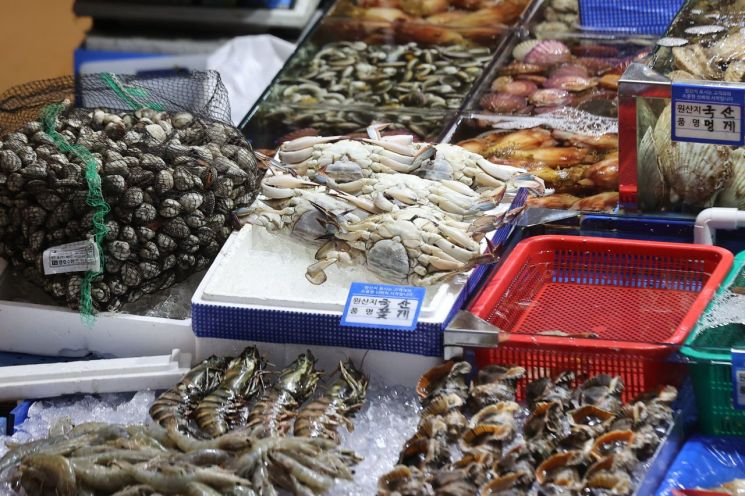
The average age of the head of a fishing returnee household was 53.0 years, up by 0.1 years. By age group, those in their 50s accounted for the largest share (34.2%), followed by those in their 60s (29.2%), 40s (18.6%), under 30s (14.4%), and those aged 70 or older (3.6%). Compared to the previous year, the proportion increased in all age groups except for those in their 40s.
The total number of household members in fishing returnee households was 712, a decrease of 192 persons (21.2%), also marking a record low. The number of fishing returnees was 585, down by 165 persons (22.0%), and the number of accompanying household members was 127, a decrease of 27 persons (17.5%). Single-person households accounted for 79.1% of fishing returnee households. The average household size was 1.28 persons, up by 0.02 persons.
By region, South Jeolla Province had the largest number of fishing returnee households with 194 (35.0%). This was followed by South Chungcheong Province (152 households), South Gyeongsang Province (54 households), and North Jeolla Province (44 households). While the overall number of fishing returnee households declined, Jeju (18.2%), Gyeonggi (14.3%), and Gangwon (11.1%) saw increases compared to the previous year.
Rural Migrant Households Overcome Downward Trend
Last year, the number of rural migrant households was 318,658, an increase of 12,217 households (4.0%) compared to the previous year. Although the number of rural migrant households had appeared to decline in 2022 (-12.3%) and 2023 (-3.9%), it showed a recovery trend last year. The number of rural migrants was 422,789, an increase of 22,696 persons (5.7%). The average household size among rural migrant households was 1.33 persons, up by 0.02 persons.
The average age of the head of a rural migrant household was 45.4 years. By age group, those in their 30s accounted for the largest share (23.4%), followed by those under 20 (20.2%) and those in their 50s (17.8%). Compared to the previous year, the proportion of those under 20 decreased, while the proportion of those in their 30s increased. Single-person households accounted for 76.9% of rural migrant households.
Among rural migrants in the past five years, the number of people who started farming as of last year was 11,402. The largest group was those in their first year after migrating to rural areas, with 4,177 persons (36.6%). This was followed by those in their second year (2,614 persons, 22.9%) and third year (1,887 persons, 16.5%). Among rural migrants in the past five years, 1,200 people started fishing. The largest group was those in their first year after moving, with 499 persons (41.6%).
© The Asia Business Daily(www.asiae.co.kr). All rights reserved.
![Clutching a Stolen Dior Bag, Saying "I Hate Being Poor but Real"... The Grotesque Con of a "Human Knockoff" [Slate]](https://cwcontent.asiae.co.kr/asiaresize/183/2026021902243444107_1771435474.jpg)
















