The Seoul Administrative Court has overturned a decision by the Korea Workers' Compensation and Welfare Service (KCOMWEL) to deny survivor benefits and funeral expenses to the family of a worker who died from myelodysplastic syndrome (MDS) after working for an extended period at a semiconductor factory. The court recognized a significant causal relationship between the worker's death and his occupational duties.
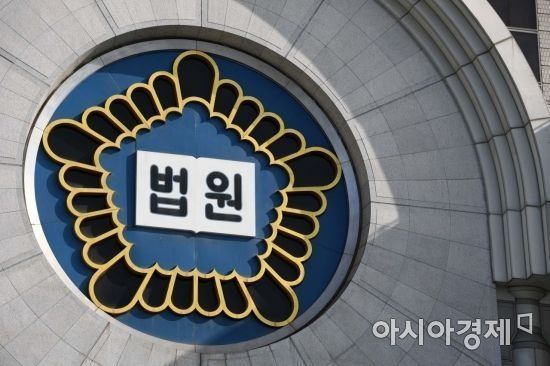
The Administrative Division 3 of the Seoul Administrative Court (Presiding Judge Choi Sujin) recently ruled in favor of the plaintiff in a lawsuit (2022GuHap70544) filed by the deceased worker's spouse, identified as A, seeking to overturn KCOMWEL's decision to deny survivor benefits and funeral expenses.
The deceased had a history of working in semiconductor manufacturing processes where he used dichloromethane (a suspected carcinogen) and was repeatedly exposed to various hazardous acids, including hydrofluoric acid. The workplace lacked proper ventilation systems, and aside from standard masks and latex gloves, no additional protective equipment was provided. In particular, the deceased worked rotating day and night shifts for extended periods, often exceeding 60 hours per week, which resulted in a significant decline in his immune function.
In 2017, the worker was diagnosed with myelodysplastic syndrome and received treatment, but died the following year from pneumonia. The death certificate listed pneumonia as the direct cause of death and MDS as the antecedent condition. A subsequently applied for survivor benefits and funeral expenses due to an industrial accident, but KCOMWEL denied the claim, stating that the level of exposure to hazardous substances was low and that the medical causal relationship was unclear.
However, the court found KCOMWEL's decision to be unjustified. The court pointed out, "It is difficult to rule out the possibility that the deceased was exposed to higher levels of hazardous agents or to various other hazardous chemicals for extended periods, beyond the exposure values measured in the workplace environment assessments, especially given the lack of adequate protective measures against hazardous chemicals."
The court further stated, "The exposure standards for hazardous agents assume the presence of a single agent. However, when a worker is exposed to multiple hazardous agents simultaneously, works longer hours than the average, faces high work intensity, or works rotating day and night shifts, these harmful factors can interact synergistically, increasing the risk of disease occurrence."
The court particularly noted, "The deceased worked an average of about 60 hours per week, six days a week, in rotating day and night shifts at this workplace. He complained of chronic fatigue and stress-related symptoms due to the shift work. According to his primary physician, unless there was a change in his occupational environment, it would be difficult to improve his blood sugar control or stress-related symptoms. Rotating day and night shifts can disrupt sleep patterns, cause sleep deprivation, and disturb daily and biological rhythms, potentially interfering with hormones that suppress cancer growth. This alone can trigger disease or weaken the immune system, thereby negatively affecting disease onset and progression."
The court continued, "Due to the cumulative long working hours and rotating day and night shifts, the deceased's physical homeostasis and immunity were compromised. Continuous and complex exposure to hazardous factors such as dichloromethane, various harmful chemicals, and extremely low frequency magnetic fields could have adversely affected his body, contributing to the onset or aggravation of the disease in this case."
The court also stated, "The deceased had no significant health issues prior to joining the company and had no genetic predisposition, medical history, or family history related to this disease. Nevertheless, he was diagnosed and died from this disease at the age of 44, which is much younger than the average onset age in Korea (60 to 70 years). Therefore, it is highly likely that the working environment contributed significantly to the onset and aggravation of the disease," thus recognizing the causal relationship between the work and the illness.
An Jaemyung, Law Times Reporter
※This article is based on content supplied by Law Times.
© The Asia Business Daily(www.asiae.co.kr). All rights reserved.
![Clutching a Stolen Dior Bag, Saying "I Hate Being Poor but Real"... The Grotesque Con of a "Human Knockoff" [Slate]](https://cwcontent.asiae.co.kr/asiaresize/183/2026021902243444107_1771435474.jpg)















