Environmental Working Group Announces "Dirty Dozen" List
Spinach Ranks First, Followed by Strawberries and Kale
USDA States "Pesticide Residue Levels Within Allowable Limits"
The U.S. nonprofit environmental organization Environmental Working Group (EWG) has released its list of the "Dirty Dozen," which names 12 types of vegetables and fruits with the highest concerns regarding pesticide residues. For 2025, spinach ranked first on the "Dirty Dozen" list.
Since 2004, EWG has analyzed pesticide residue data from the U.S. Department of Agriculture (USDA) each year to publish the "Dirty Dozen" list. The organization cited the results of about 50,000 samples analyzed by the USDA across 47 types of produce. Following spinach in first place, strawberries ranked second, kale third, grapes fourth, and peaches fifth. Ranks six through twelve were cherries, nectarines, pears, apples, blackberries, blueberries, and potatoes, in that order. Among these, blackberries and potatoes appeared on the list for the first time. Potatoes were included due to the use of the growth regulator chlorpropham during storage and transportation.
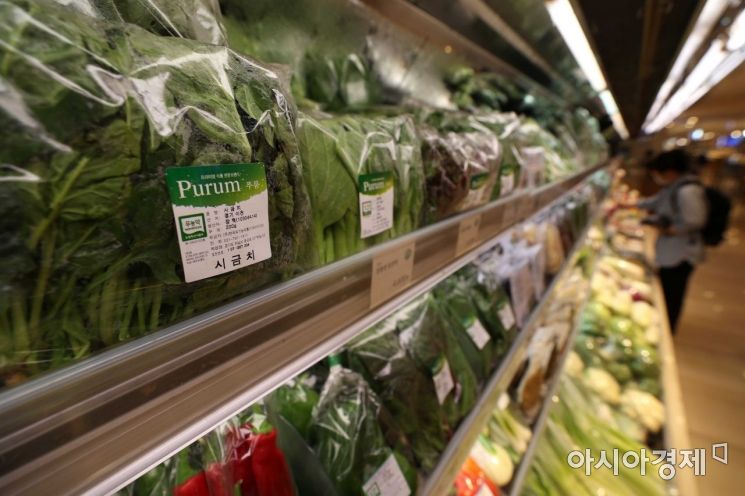
EWG stated that pesticide residues were detected in 96% of the samples from these 12 items. Additionally, even after peeling or washing, more than 75% of all samples still contained pesticide residues. In response to these findings, the USDA emphasized, "The pesticide residue levels in these produce items are all within the limits set by the U.S. Environmental Protection Agency (EPA)."
Therefore, there are criticisms that EWG's announcement is causing excessive public anxiety. Some scientists argue that "the EWG list exaggerates the risks, and most pesticide residues in produce are below safety standards." Alexis Temkin, EWG's Senior Toxicologist, explained in an interview with CNN, "The purpose of releasing this list is not to discourage the consumption of fruits or vegetables," and added, "It is intended to help people continue eating healthy foods while reducing pesticide exposure by choosing organic produce."
According to FDA recommendations reported by CNN, the following fruit and vegetable washing practices are emphasized: wash fruits and vegetables with skins under running water, then rub them with a kitchen towel or cloth; for firm produce like potatoes or carrots, use a brush to scrub the surface; and for leafy greens, remove the outer leaves and rinse each leaf individually.
© The Asia Business Daily(www.asiae.co.kr). All rights reserved.

















