Structural Risks from Contact with Soil
8 Cases Linked to Poor Hygiene During Processing
6 Cases Traced to Livestock Manure Near Cultivation Sites
STEC Infection Rate Increased Tenfold in 7 Years
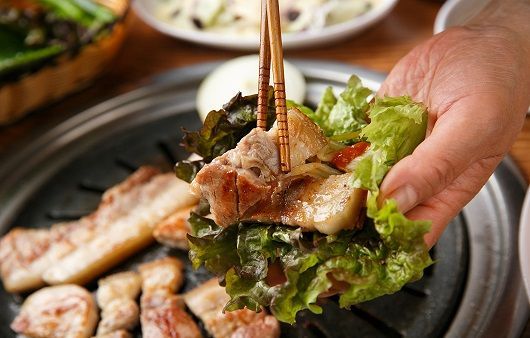
A recent study has found that Escherichia coli detected in vegetables, including lettuce, can cause damage to major organs such as the colon, potentially leading to colorectal cancer.
On June 20, British health authorities announced that the infection rate of the mutated strain 'STEC (Shiga Toxin-producing Escherichia coli)' has increased nearly tenfold over the past seven years.
STEC is mainly found in leafy vegetables such as lettuce and, unlike ordinary E. coli, secretes a 'Shiga toxin.' This bacterium is also known to produce another toxin called 'colibactin,' which increases the risk of developing colorectal cancer. Infection can cause symptoms such as acute bloody diarrhea, cramping abdominal pain, vomiting, and fever.
A research team led by infectious disease expert Professor Paul Hunter at the University of East Anglia in the United Kingdom recently analyzed 35 cases of STEC infection related to lettuce consumption. Of these, 8 cases were attributed to poor hygiene management during the vegetable processing stage, while 6 cases were directly linked to livestock manure near the cultivation sites.
Professor Hunter stated, "Leafy vegetables account for about half of STEC infections. Lettuce has a wrinkled and rough surface, making it difficult to completely remove bacteria through washing alone," adding, "Since lettuce is often eaten raw, the risk of infection is even higher."
He also explained that while vegetables such as cucumbers, tomatoes, and bell peppers are also eaten raw, they grow in a way that does not directly touch the soil, so the risk of contamination is relatively lower. In contrast, leafy vegetables like lettuce have a large surface area in contact with soil and many microscopic crevices in their structure, making it easier for bacteria to inhabit them.
Experts emphasize the importance of 'safe washing methods' to avoid the risk. According to the U.S. Food and Drug Administration (FDA), it is fundamentally important to wash vegetables under running water. While using vegetable wash solutions is also effective, the most basic and effective method is to rinse thoroughly with running tap water.
© The Asia Business Daily(www.asiae.co.kr). All rights reserved.
![Clutching a Stolen Dior Bag, Saying "I Hate Being Poor but Real"... The Grotesque Con of a "Human Knockoff" [Slate]](https://cwcontent.asiae.co.kr/asiaresize/183/2026021902243444107_1771435474.jpg)















