One in Four Homes Owned by Foreigners Is Located in Seoul
Seeking Countermeasures Against Concerns of Reverse Discrimination and Market Disruption
On-site Inspections of Actual Residency for Foreign Real Estate Transactions in Land Permit Zones
Proposal to Ministry of Land for Mandatory Reciprocity Law Amendment and Policy Measures
The Seoul Metropolitan Government is strengthening its management system in preparation for an increase in real estate purchases by foreigners. The city will enhance the verification of funding sources when foreigners report real estate transactions and conduct on-site inspections to confirm actual residency in land transaction permit zones.
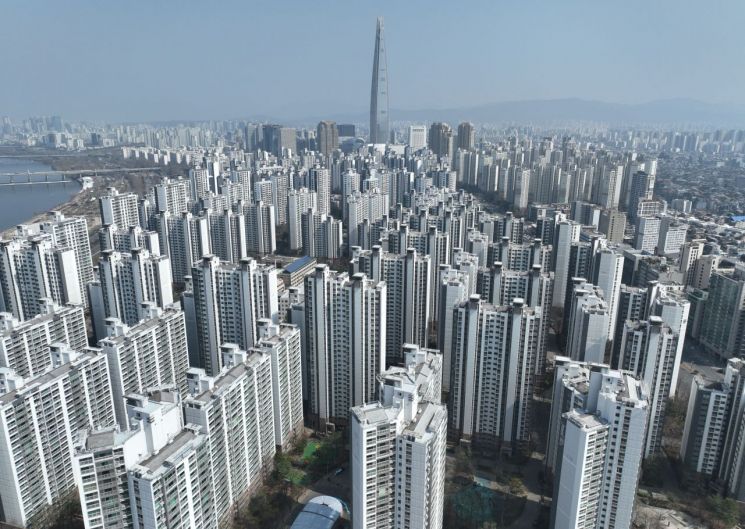
On June 15, the Seoul Metropolitan Government announced that it would establish a management foundation by blocking market-disrupting activities related to foreign real estate transactions and conducting thorough investigations into the current situation.
As foreign real estate transactions increase, concerns have been raised about the possibility of abnormal transactions such as illegal inflows of overseas funds or circumvention of regulations through disguised gifts. If foreigners obtain loans from overseas financial institutions, they may be able to bypass domestic lending regulations, raising issues of fairness compared to Korean nationals. Earlier this month, Seoul Mayor Oh Sehoon instructed city officials to assess the current state of foreign real estate transactions and prepare countermeasures.
One out of every four homes owned by foreigners is located in Seoul. According to the Ministry of Land, Infrastructure and Transport, as of the end of last year, the number of homes owned by foreigners was 100,216, with 98,581 foreign individuals owning homes. Of these, 23,741 homes (23.7%) are located in Seoul. Most foreign-owned homes are concentrated in the Seoul metropolitan area, with 39,144 homes (39.1%) in Gyeonggi Province and 9,938 homes (10%) in Incheon.
The total land area owned by foreigners in Korea is 267.9 million square meters, an increase of 1.2% from the previous year. Of this, the Seoul metropolitan area accounts for approximately 21% (56.852 million square meters).
To ensure transparency in foreign real estate transactions, the city will strengthen verification of funding sources. Based on abnormal transaction reports received monthly from the Ministry of Land, Infrastructure and Transport, the city will select and investigate transactions made under foreign names. With the cooperation of local districts, Seoul also plans to collect transaction data every month to establish a system for continuous monitoring of foreign transactions.
In cooperation with local districts, the city will conduct on-site inspections to verify actual residency in cases where foreigners purchase property within land transaction permit zones. After these inspections, the city will further verify transactions using documents such as funding plans and proof of residency status. If the required usage obligations are not fulfilled, a corrective order will be issued, and if not rectified, a penalty may be imposed.
On June 11, during a regular session of the Seoul Metropolitan Council, Mayor Oh Sehoon stated regarding foreign real estate acquisitions, "If real estate prices show abnormal surges, and to some extent, foreign acquisitions influence the market, it is at the initial stage of reviewing whether such systems should be implemented in close consultation with the Ministry of Land, Infrastructure and Transport."
Earlier this month, the city formally proposed amendments to relevant laws to the Ministry of Land, Infrastructure and Transport. Currently, a bill to amend the Real Estate Transaction Reporting Act, which would introduce a 'foreign land transaction permit system' for foreigners in the Seoul metropolitan area and mandate reciprocity, has been submitted to the National Assembly. Regardless of whether the law is amended, Seoul plans to actively cooperate with the ministry to develop necessary countermeasures.
In China, strict regulations are applied to Korean nationals regarding real estate transactions, such as requiring at least one year of residency, prohibiting land purchases, and restricting transactions to residential purposes. In contrast, ownership of real estate by Chinese nationals in Korea continues to rise.
Cho Namjun, head of the Urban Space Headquarters at the Seoul Metropolitan Government, stated, "Given the concerns about fairness and potential market disruption related to foreign real estate acquisitions, thorough investigation and understanding of the current situation must come first," adding, "We will make every effort to stabilize the Seoul real estate market through effective management."
© The Asia Business Daily(www.asiae.co.kr). All rights reserved.
![Clutching a Stolen Dior Bag, Saying "I Hate Being Poor but Real"... The Grotesque Con of a "Human Knockoff" [Slate]](https://cwcontent.asiae.co.kr/asiaresize/183/2026021902243444107_1771435474.jpg)















