The Hobup-Jumi District in Icheon, Gyeonggi Province, has been selected for the 'Groundwater Recharge Project' promoted by the Ministry of Agriculture, Food and Rural Affairs.
The groundwater recharge project refers to facilities that artificially replenish groundwater aquifers by allowing surface water, such as rainwater or river water, to infiltrate into the ground. This ensures a stable supply of groundwater needed for crop cultivation and heating.
On June 13, Gyeonggi Provincial Government announced that it would implement the groundwater recharge project in approximately 83 hectares (1,158 sites) out of a total of 166 hectares of farmland in Jumi, Songgal, and Danwol-dong areas of Hobup-myeon, Icheon, with a total budget of 6.5 billion KRW from national and local funds.
Currently, this area requires about 28,600 cubic meters of agricultural water per day, but the actual supply is only around 12,600 cubic meters, resulting in a water shortage. In particular, there are concerns about disruptions to crop growth because water needed for thermal curtain heating during winter is not supplied stably. Thermal curtain heating is a method mainly used in vinyl greenhouses or glasshouses, where groundwater or hot water is sprayed onto the exterior (roof or walls) of the greenhouse to form a thin water film (thermal curtain) that helps maintain the internal temperature.
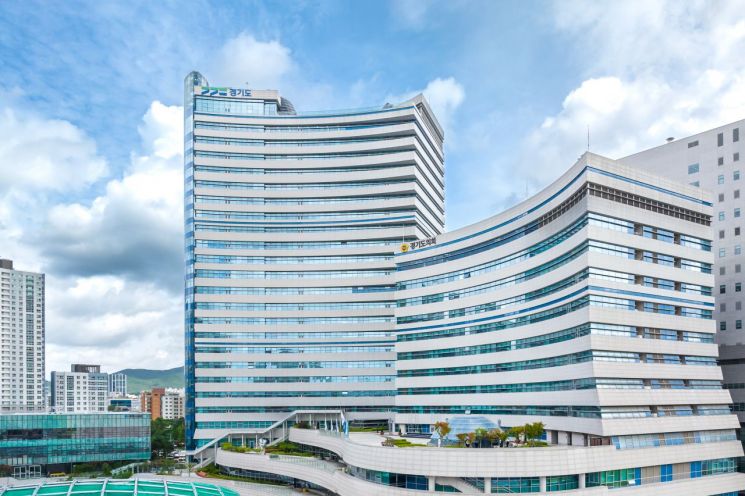
Through this project, the following facilities will be established: 1.5 kilometers of recharge canals and 10 recharge wells to secure raw water for recharge; 10.3 kilometers of water supply pipelines; 12 sediment reduction devices; and 200 water level control devices to complete the supply system.
Upon completion of the project, it is expected to resolve the chronic groundwater shortage in facility agriculture areas and make a significant contribution to creating a stable farming environment.
In addition, by sufficiently supplying groundwater needed for thermal curtain cultivation, farming costs (management expenses) can be reduced through decreased use of fossil fuels. The water used for thermal curtain heating will also be reused for groundwater recharge instead of being discarded, improving water self-sufficiency.
Jung Inwoong, Director of the Eco-friendly Agriculture Division at Gyeonggi Provincial Government, said, "We hope that this groundwater recharge project will help alleviate the difficulties faced by facility farmers, even if only a little."
© The Asia Business Daily(www.asiae.co.kr). All rights reserved.
![Clutching a Stolen Dior Bag, Saying "I Hate Being Poor but Real"... The Grotesque Con of a "Human Knockoff" [Slate]](https://cwcontent.asiae.co.kr/asiaresize/183/2026021902243444107_1771435474.jpg)















