U.S. Congressional Budget Office Monthly Report
Risk of 'Default' if Debt Limit is Reached
Treasury Maintains Borrowing Capacity Through Extraordinary Measures
The U.S. federal government is estimated to reach its statutory debt limit sometime between mid-August and the end of September.
In its monthly budget review report released on June 9 (local time), the Congressional Budget Office (CBO) stated, "We estimate that if the federal debt limit is not modified, the government's ability to borrow using extraordinary measures is likely to be exhausted sometime between mid-August and the end of September."
This projection is at least two weeks later than the estimate made three months ago. The CBO explained that, over the past three months, federal government revenues and expenditures have closely matched initial expectations, reducing the likelihood that the debt limit would be reached as early as early August. Previously, the Bipartisan Policy Center (BPC), a U.S. think tank, estimated that the so-called "X-date" would fall between mid-July and early October.
The U.S. Congress sets a debt ceiling to cap the amount the federal government can borrow as a way to manage fiscal responsibility. The debt limit, which was reset in January this year, is $36.1 trillion.
Once this limit is reached, the federal government can no longer issue new Treasury securities and faces the risk of default if it cannot make timely payments on existing obligations. This could disrupt major budgetary expenditures, including federal employee salaries, Social Security benefits, and interest payments on Treasury bonds.
To avoid such a situation, the U.S. Treasury has been implementing extraordinary accounting measures since the beginning of this year to maintain borrowing capacity. However, in its report, the CBO pointed out, "The emergency measures currently in place will not allow the federal government to continue operating indefinitely."
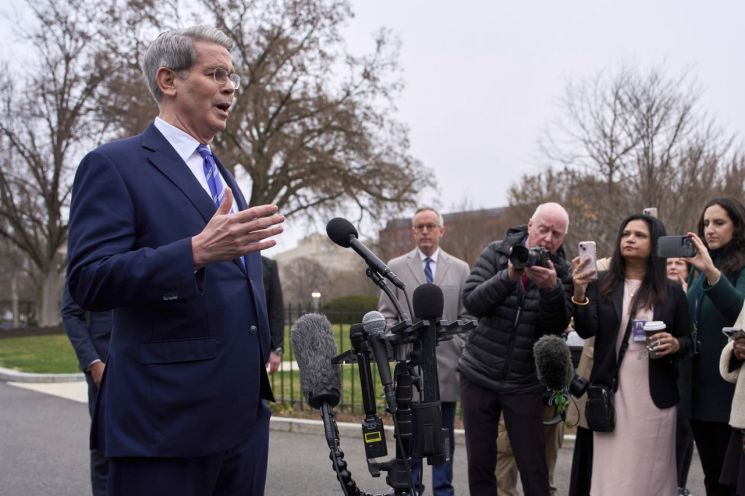
As concerns over the U.S. national debt crisis persist, Treasury Secretary Scott Besant emphasized on June 1, "A U.S. default will never happen." As of May 15, the U.S. debt limit had already been exceeded, with the total reaching approximately $36.22 trillion.
Meanwhile, the Republican Party has added a provision to the "One Big Beautiful Bill," which contains key policy initiatives such as President Donald Trump's tax cuts, allowing the Treasury to borrow several trillion dollars more. If the tax cut plan passes, the U.S. fiscal deficit is projected to increase by an additional $3.8 trillion over the next ten years. The bill is currently under discussion in the Senate.
© The Asia Business Daily(www.asiae.co.kr). All rights reserved.
![Clutching a Stolen Dior Bag, Saying "I Hate Being Poor but Real"... The Grotesque Con of a "Human Knockoff" [Slate]](https://cwcontent.asiae.co.kr/asiaresize/183/2026021902243444107_1771435474.jpg)
















