Pilot Project at 15 Sites Including Daerim-dong and Sillim-dong
Water Level Monitoring Radar Sensors Provide Real-Time Detection
Integration with Flood Control Systems... Expansion Planned Next Year
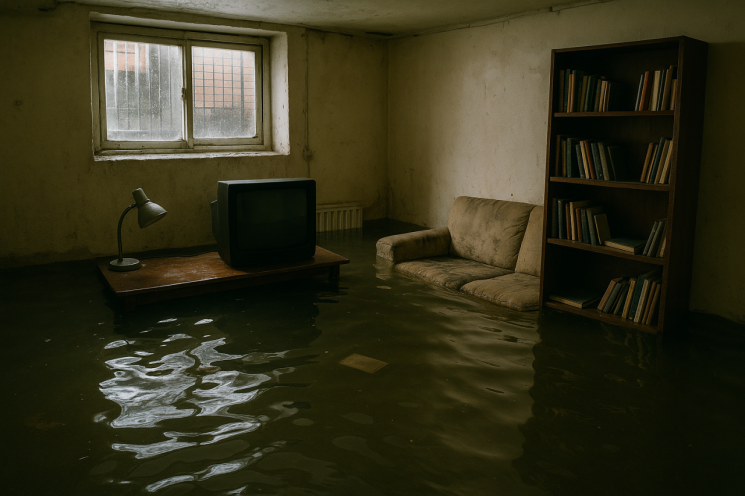
Seoul City will be the first in the country to install a "semi-basement flood warning facility." This flood warning system utilizes radar sensors to detect water levels in real time, differing from conventional measurement devices that require direct contact with water. Since it can be installed in confined spaces, it is expected to precisely monitor changes in water levels in areas densely populated with semi-basement residences.
According to the maintenance industry on June 9, Seoul City has recently begun installing "non-contact radar type water level meters" at 15 locations in areas with a high concentration of semi-basement homes, including Daerim-dong in Yeongdeungpo-gu, Sadang-dong in Dongjak-gu, and Sillim-dong in Gwanak-gu.
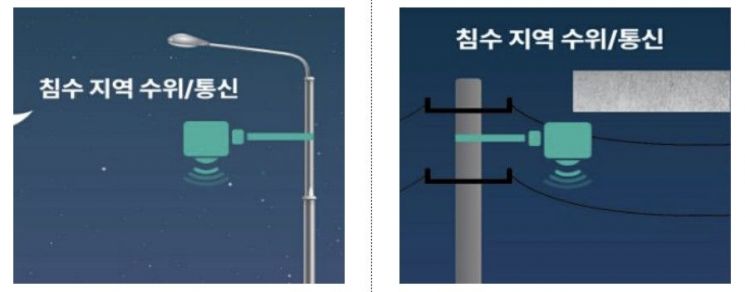
This facility is equipped with a radar sensor that detects water levels in real time and issues alerts. Traditional monitoring equipment required a large installation space and was thus only used along main roads, but this device can be attached to streetlights or utility poles, greatly increasing its effectiveness. Most importantly, the sensor-based measurement method enables real-time monitoring of flooding situations. Seoul City plans to link the collected data with the city's flood control system and, after evaluating the results of this year's pilot program, intends to expand the project to additional sites next year.
This year, areas predicted to be at risk of flooding or low-lying regions with many semi-basement facilities have been selected. The 15 locations include 5 in Daerim-dong, 5 in Sadang-dong, and 5 in Sillim-dong, with some sites chosen at the request of their respective district offices. A Seoul City official stated, "If we also utilize the rain gauges and road water level meters already installed throughout Seoul, the rate of flood prevention will improve even further."
Currently, as the summer season begins in earnest, Seoul City has activated its "Storm and Flood Disaster Safety Headquarters" to operate 24 hours a day. The main objectives are: intensive management of high-risk low-lying and disaster-prone areas; detection of flood risks in alleyways; securing rainwater storage by improving water systems such as lakes and ponds; and strengthening cooperation with the Korea Meteorological Administration in the metropolitan area, as well as with the police, military, and fire departments.
In particular, to mitigate the rapid rise in water levels in urban streams caused by heavy rainfall, the city will add five more "rainwater bowls" (nature-type detention basins) to the existing seven, for a total of twelve this year. Priority will be given to parks located in the mid-to-upper reaches of local streams, and the city estimates that these facilities will be able to store up to 757,000 tons of rainwater.
Large-scale disaster prevention facilities are also being expanded in key flood-prone areas. Within this year, construction will begin on "deep rainwater drainage tunnels" in the Gangnam Station area, Dorimcheon, and Gwanghwamun, which will store and drain rainwater during heavy downpours. In addition, nine rainwater pumping stations and three rainwater storage tanks will be newly built or expanded in stages by 2030. The official added, "With abnormal weather patterns making heatwaves and heavy rains routine, we will focus on developing prevention and response measures using advanced technology to minimize damage to facilities and citizens."
© The Asia Business Daily(www.asiae.co.kr). All rights reserved.
![Clutching a Stolen Dior Bag, Saying "I Hate Being Poor but Real"... The Grotesque Con of a "Human Knockoff" [Slate]](https://cwcontent.asiae.co.kr/asiaresize/183/2026021902243444107_1771435474.jpg)
















