Excessive Straining on the Toilet
Can Lead to Fainting or Even Heart Attacks
Experts have issued a warning that the habit of straining excessively while sitting on the toilet can lead not only to fainting but even to heart attacks.
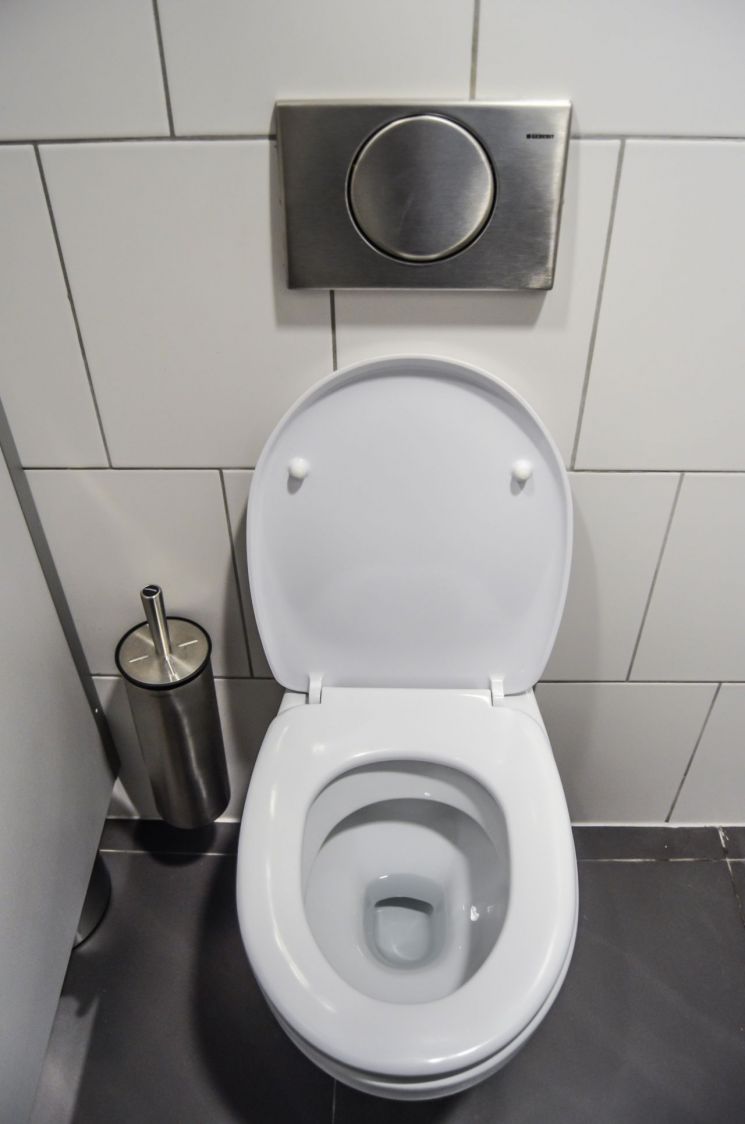
On June 6 (local time), the nonprofit research organization The Conversation reported that Michelle Spear, a professor of anatomy at the University of Bristol in the United Kingdom, identified the "Valsalva maneuver" as the most dangerous behavior in the bathroom in her contributed article. The Valsalva maneuver refers to holding one's breath and straining forcefully during bowel movements, which increases pressure in the chest and reduces the amount of blood returning to the heart. This is particularly dangerous for people with heart conditions. It can cause irregular heartbeats or loss of consciousness, and in severe cases, it may even result in sudden death.
She further explained that excessive straining or pressure on the rectum can stimulate the vagus nerve, which can also slow the heart rate to a dangerous level and cause a sudden drop in blood pressure, potentially leading to loss of consciousness.
Professor Spear stated, "The bathroom may seem like an ordinary place where nothing dramatic happens, but historically, it has claimed the lives of kings and felled famous figures." On August 16, 1977, Elvis Presley, who was 42 years old at the time, was found collapsed on the floor of the bathroom in his Graceland mansion. He had suffered from chronic constipation, long-term opioid use, and a pathologically enlarged colon. On the morning of his death, it was reported that he had been straining severely in the bathroom.
In 1760, King George II of the United Kingdom died suddenly after using the bathroom. An unusual autopsy revealed that George II had suffered a ruptured aortic aneurysm, which is a tear in the body's main artery. It is believed that the rupture occurred as the king stood up from the toilet, causing a sudden change in blood pressure. Since George II's heart was already severely damaged, even a small change in blood pressure proved fatal.
Professor Spear emphasized, "Considering the risks of heart attack, fainting, falls, and bacterial infections, the bathroom is not as safe as we might think," and advised, "The next time you go to the bathroom, sit in the correct posture and avoid straining excessively."
She also cautioned against the habit of using smartphones in the bathroom. Sitting for prolonged periods while using a smartphone can increase pressure on the veins around the rectum, raising the risk of hemorrhoids or fissures in the anal area. In addition, smartphones used in the bathroom can serve as carriers for harmful bacteria such as E. coli. Even after washing your hands, pathogens can remain on your device for a long time.
© The Asia Business Daily(www.asiae.co.kr). All rights reserved.
![Clutching a Stolen Dior Bag, Saying "I Hate Being Poor but Real"... The Grotesque Con of a "Human Knockoff" [Slate]](https://cwcontent.asiae.co.kr/asiaresize/183/2026021902243444107_1771435474.jpg)















