FAO Announces May World Food Price Index
Cereal, vegetable oil, and sugar prices fall
Meat and dairy prices rise due to increased demand and limited supply
The Ministry of Agriculture, Food and Rural Affairs announced on June 7 that the Food and Agriculture Organization (FAO) of the United Nations reported the World Food Price Index for the previous month was 127.7 points, down 0.8% from the previous month’s 128.7 points.
The FAO compiles and publishes the Food Price Index for five commodity groups (cereals, vegetable oils, meat, dairy, and sugar) each month by surveying international price trends for 24 items (95 price quotations). The index is calculated by comparing prices to the average from 2014 to 2016, which is set at 100.
By category, prices for cereals, vegetable oils, and sugar fell, while prices for meat and dairy products increased.
The Cereal Price Index recorded 119.0 points, a 1.8% decrease from the previous month’s 110.9 points. The rapid progress of harvests in Argentina and Brazil compared to the previous year led to increased supply, and corn prices dropped sharply due to expectations that the United States would record its largest corn harvest ever this year. Wheat prices declined slightly due to weakened demand and improved crop conditions in the Northern Hemisphere.
The Vegetable Oil Price Index was 152.2 points, down 3.7% from the previous month’s 158.0 points. Palm oil prices fell significantly as seasonal increases in production and exportable supplies were observed in Southeast Asia. Soybean oil prices also declined due to increased supply from South America and a slowdown in U.S. biofuel feedstock demand. Rapeseed oil prices dropped as the upcoming harvest in the European Union signaled increased supply, and sunflower oil prices declined due to weakened import demand and reduced price competitiveness.
The Meat Price Index rose 1.3% to 124.6 points from 123.0 points in the previous month. Lamb prices increased due to higher export prices from Oceania and rising import demand in China, the Middle East, and Europe. Pork prices surged as Germany regained its foot-and-mouth disease-free status, leading to a sharp rise in export prices, and global demand also increased. Beef prices climbed due to limited exportable supplies from major producing countries and rising global demand. In contrast, chicken prices fell as major importing countries imposed bans following the outbreak of highly pathogenic avian influenza in Brazil in mid-May, resulting in oversupply and subsequent price declines.
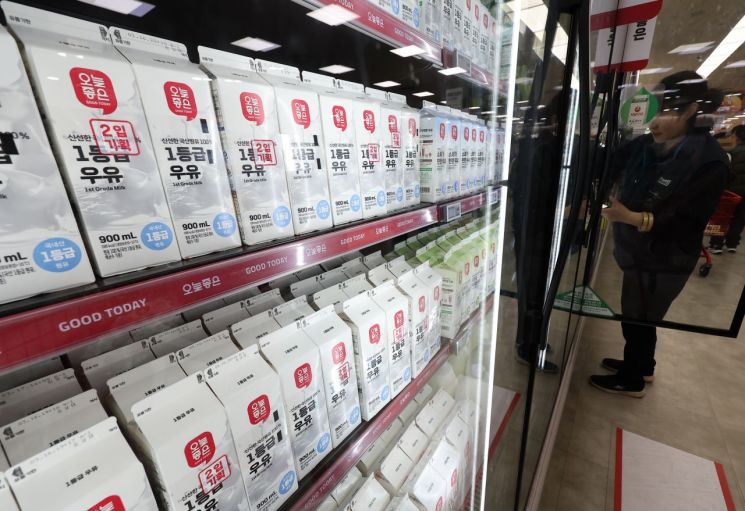
The Dairy Price Index increased by 0.8% to 153.5 points from 152.2 points in the previous month. Butter prices remained high due to strong demand in Asia and the Middle East and reduced raw milk supply in Australia; however, further increases were limited by weakening demand for European Union-produced butter. Cheese prices rose due to increased foodservice demand in East and Southeast Asia and supply shortages in the European Union caused by adverse weather and disease outbreaks. Whole milk powder prices increased due to strong purchasing demand from China and limited supply growth. On the other hand, skim milk powder prices fell slightly as increased exportable supplies from butter-producing regions offset rising demand in the Near East and North Africa.
The Sugar Price Index was 109.4 points, down 2.6% from the previous month’s 112.3 points. Sugar prices declined due to ongoing concerns about reduced demand in the food and beverage industry amid global economic uncertainty. The early onset of the monsoon season in India and Thailand, which is expected to support a positive outlook for global production recovery, also contributed to the price decline.
The Ministry of Agriculture, Food and Rural Affairs stated, "As demand for home-cooked meals has increased due to rising food and dining-out prices, we have implemented a discount support program for agricultural products to ease the burden on consumers' grocery bills." The ministry added, "We will continue to promote timely discount support programs for agricultural and livestock products to support the stabilization of people's livelihoods."
© The Asia Business Daily(www.asiae.co.kr). All rights reserved.
![Clutching a Stolen Dior Bag, Saying "I Hate Being Poor but Real"... The Grotesque Con of a "Human Knockoff" [Slate]](https://cwcontent.asiae.co.kr/asiaresize/183/2026021902243444107_1771435474.jpg)
















