One in Three Americans Currently Prediabetic
Helps Lower Cholesterol and Reduce Inflammation
It has been found that patients with prediabetes who consumed one cup of chickpeas or black beans daily for 12 weeks experienced reductions in cholesterol and inflammation levels.
On June 4, Yonhap News reported, citing data released on June 3 by researchers at the Illinois Institute of Technology, that prediabetic patients who consumed chickpeas saw a 7.3% decrease in cholesterol, while those who consumed black beans experienced a 26.8% reduction in inflammation markers. Currently, it is estimated that about 98 million Americans, or one in three, are in a prediabetic state. Prediabetes refers to cases where fasting blood glucose exceeds the upper limit of the normal range (99mg/dL) but does not reach the diagnostic threshold for diabetes (126mg/dL). These individuals are at high risk of progressing to diabetes.
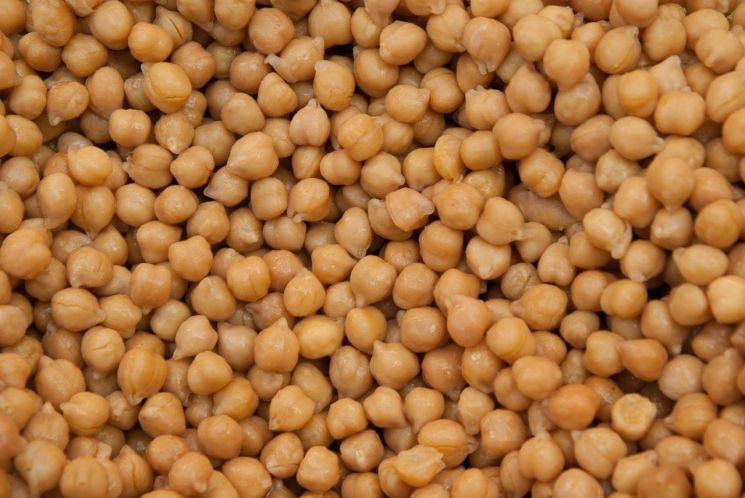 Patients with prediabetes who consumed one cup of chickpeas or black beans daily for 12 weeks showed reductions in cholesterol and inflammation levels. On the 4th, Yonhap News cited data released on the 3rd by researchers at the Illinois Institute of Technology, reporting that prediabetic patients who consumed chickpeas experienced a 7.3% decrease in cholesterol, while those who consumed black beans saw a 26.8% reduction in inflammation markers. The photo is not related to the specific content of the article. Pixabay
The researchers randomly assigned 72 prediabetic patients into three groups and instructed them to consume one cup of black beans, one cup of chickpeas, or one cup of rice per day. Fasting blood samples were collected and analyzed at the start of the study, at week 6, and at week 12. As a result, the total cholesterol in the chickpea group decreased from 200.4mg/dL at baseline to 185.8mg/dL after 12 weeks. In the black bean group, the inflammation marker interleukin-6 decreased from 2.57pg/mL to 1.88pg/mL. No significant changes in blood glucose levels were observed in any of the groups.
Morgan Smith, a researcher involved in the study, explained, "Patients with prediabetes often have high cholesterol and chronic inflammation, which increases the risk of other chronic health problems such as heart disease or type 2 diabetes. According to the study, bean consumption significantly lowered cholesterol and reduced inflammation in prediabetic patients, but there was no change in blood glucose levels." He added, "These results demonstrate the benefits of bean consumption for adults with prediabetes, but in fact, beans are good for everyone. This study may serve as dietary guidance for health programs or medical professionals focused on preventing heart disease and diabetes."
The researchers advised that consuming beans in any form?canned, dried, or frozen?can be a good starting point. However, they noted that a limitation of the study is that it only targeted prediabetic patients. These findings were presented at the recent annual meeting of the American Society for Nutrition, 'NUTRITION 2025'.
Meanwhile, the American Heart Association recommends beans and vegetables as part of a healthy diet. Both chickpeas and black beans are rich in fiber and contain plant compounds with antioxidant effects. Experts recommend adding beans to salads, grain bowls, soups, and stews, or using them in various dishes such as hummus, dal, and tacos. It is also important to maintain a balanced diet that includes whole grains, fruits, and vegetables, while avoiding excessive sugar, sodium, and processed foods.
© The Asia Business Daily(www.asiae.co.kr). All rights reserved.
![Clutching a Stolen Dior Bag, Saying "I Hate Being Poor but Real"... The Grotesque Con of a "Human Knockoff" [Slate]](https://cwcontent.asiae.co.kr/asiaresize/183/2026021902243444107_1771435474.jpg)















