Gwanak-Style Care Program Supporting
Social Recovery of Isolated Youth and Families
Gwanak District in Seoul is operating a customized care program called "Starlight Masil School" until November 2025 to support the social recovery of isolated and reclusive youth and their families. This project has been underway since last year, focusing on individuals and families among the integrated case management recipients who are experiencing isolation or reclusion, with the aim of helping them establish a foundation for independence and restore family support systems.
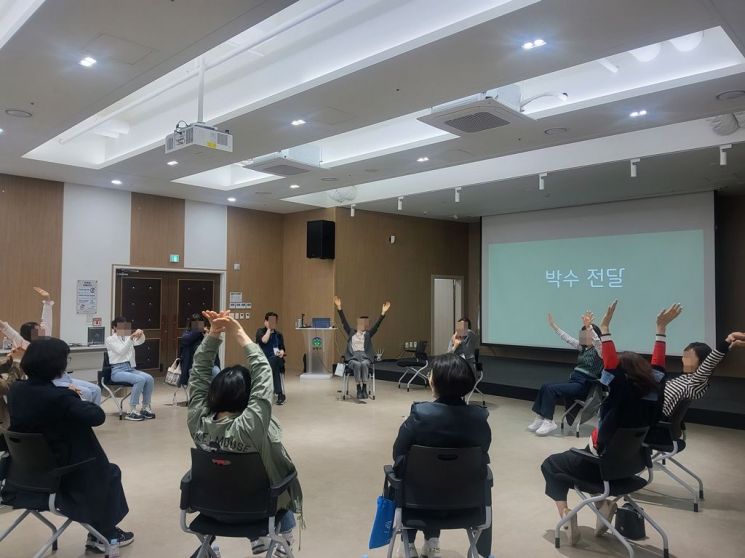
"Starlight Masil School" consists of three main areas: daily life recovery (cooking classes, grocery shopping, organizing and storage), emotional support (healing education), and improvement of family relationships (mentoring, self-help groups, parent education). This year, the program especially focuses on improving family relationships by strengthening the system and professionalism of self-help groups and parent education. In fact, last year, the program achieved the result of helping 10 socially withdrawn middle-aged individuals reintegrate into the community.
In the self-help groups, parents share the experiences of reclusive individuals, allowing them to better understand their children's emotions and explore response strategies. Parent education sessions invite experts to discuss understanding and intervention approaches for hikikomori (social recluses).
In addition, a variety of support is provided, including one-on-one customized life skills education and healing forest programs to help reclusive youth recover their daily lives. Gwanak District expects that Starlight Masil School will become a Gwanak-style care model, enabling isolated individuals to reconnect with their families and the local community.
Park Junhee, Mayor of Gwanak District, stated, "'Starlight Masil School' is more than just a program; it will serve as a catalyst for isolated individuals to reconnect with their families and the community," adding, "We will continue our efforts to establish it as a Gwanak-style care model where both the individuals and their families can recover together."
© The Asia Business Daily(www.asiae.co.kr). All rights reserved.

















