Tom Hardy Opens Up About Chronic Pain and Injuries from Repeated Filming
Korean Medicine Treatments Can Help Improve Herniated Discs, Sciatica, and Plantar Fasciitis
Early Diagnosis and Integrated Care Essential for Recovery
Hollywood star Tom Hardy recently revealed in an interview that he suffers from chronic pain and accumulated physical injuries due to repeated filming. He stated, "I have had two knee surgeries, and I am dealing with herniated discs, sciatica, and plantar fasciitis," adding, "I feel like my body is gradually falling apart, and I don't think it will ever get better."
However, the conditions Tom Hardy mentioned can improve with non-surgical treatments, depending on their progression. Sunsung Hong, Director of Jaseng Hospital of Korean Medicine, explains the characteristics of the conditions Hardy mentioned and discusses Korean medicine treatments that can help improve them.
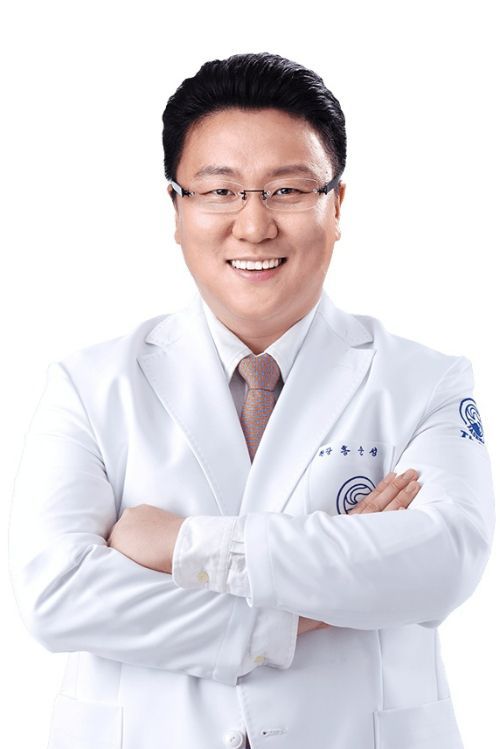
◆Protruding 'herniated disc' can lead to sciatica if it compresses nerves= The herniated disc (lumbar disc herniation) that Tom Hardy suffers from occurs when the disc (intervertebral disc) located between the vertebrae protrudes or herniates, compressing nearby nerves and causing pain. If the disc irritates the sciatic nerve, which runs from the lower back down to the legs, 'sciatica' can occur, with pain radiating from the buttocks to the thighs, calves, and feet. For this reason, most cases of sciatica are not independent diseases but are considered a representative symptom of herniated discs.
In Korean medicine, Chuna manual therapy is used to correct spinal alignment, while acupuncture and pharmacopuncture help relieve pain and reduce inflammation. Herbal medicine also supports stable recovery. According to a study by Jaseng Hospital of Korean Medicine published in the SCI(E)-level international journal 'Journal of Clinical Medicine,' integrative Korean medicine treatment for patients with radiating leg pain reduced the average Numeric Rating Scale (NRS; 0~10) for pain from 6.11 before treatment to 2.03 after treatment, and back pain from 6.25 to 2.45, showing greater improvement than injection or drug therapy.
◆Two knee surgeries... Joint health cannot be guaranteed= Despite undergoing two knee surgeries, Tom Hardy still has to engage in intense filming. In situations where repeated injuries are unavoidable, special attention should be paid to 'meniscus' tears within the knee joint. The meniscus absorbs shock and stabilizes the joint. However, when this area is damaged, symptoms such as pain, joint locking, or restricted movement may occur. Depending on the severity of the tear, non-surgical treatments alone can lead to improvement, but if left untreated, it can worsen into degenerative arthritis, making early treatment crucial.
Acupuncture and pharmacopuncture, representative non-surgical treatments in Korean medicine, relax tense muscles around the knee, improve blood flow, reduce inflammation and pain, and promote the recovery of damaged tissues and nerves. When combined with Chuna manual therapy, it can correct gait imbalances or postural misalignments, reducing secondary pain in related areas such as the hips and lower back. According to a case report from Daejeon Jaseng Hospital of Korean Medicine published in the 'Journal of Korean Rehabilitation Medicine,' integrative Korean medicine treatment for patients with both meniscus and cruciate ligament injuries resulted in significant improvement in average pain and osteoarthritis index scores.
◆Inflammation in the plantar fascia can make walking difficult if severe= Plantar fasciitis is a condition in which repeated micro-injuries to the plantar fascia, which extends from the heel to the toes, cause inflammation. It commonly occurs after prolonged standing or excessive exercise and is frequently seen in professions involving a lot of action, such as Tom Hardy's.
Plantar fasciitis is characterized by intermittent pain, making it easy to mistake for simple muscle soreness. However, if left untreated, accumulated damage can worsen inflammation, potentially leading to chronic pain severe enough to make normal walking difficult.
Fortunately, plantar fasciitis can also improve with non-surgical treatments. In Korean medicine, acupuncture and pharmacopuncture are primarily used to relieve pain and promote recovery. Acupuncture at key points in the foot and lower limb, such as Taegye and Yeongok, relaxes tense muscles and ligaments around the plantar fascia and improves blood circulation, thereby reducing pain. Pharmacopuncture involves injecting herbal extracts into acupoints at the site of pain, rapidly suppressing inflammatory responses and aiding tissue recovery. The synergy created by combining the physical stimulation of acupuncture with the pharmacological effects of herbal medicine is significant.
Director Sunsung Hong stated, "Musculoskeletal injuries accumulated from repeated impact or exercise can become increasingly difficult to recover from over time," and added, "Do not ignore initial pain; accurately diagnose the cause and pursue integrative Korean medicine treatment to alleviate pain and restore function together."
© The Asia Business Daily(www.asiae.co.kr). All rights reserved.
![Clutching a Stolen Dior Bag, Saying "I Hate Being Poor but Real"... The Grotesque Con of a "Human Knockoff" [Slate]](https://cwcontent.asiae.co.kr/asiaresize/183/2026021902243444107_1771435474.jpg)
















