If 10% Tariffs Remain, Tariff Costs Will Increase
Gap to Reduce Dependence on China
Plans to Purchase More Cotton from the U.S.
U.S. apparel brand Gap announced that if the new tariffs remain in place, it will incur an additional cost of $100 million (approximately 140 billion KRW) to $150 million (approximately 205 billion KRW).
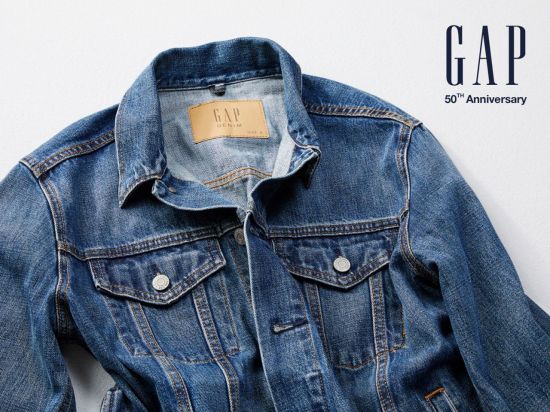
On May 29 (local time), Gap stated that if the 30% tariff on imports from China and the 10% tariff on imports from other countries continue, it expects additional costs of $250 million to $300 million. However, the company added that it has already offset about half of these costs and that it is highly likely that $100 million to $150 million will be reflected in its financial statements for the second half of the year.
Gap announced that it will continue to diversify its supply chain and reduce its dependence on China. Chief Executive Officer Richard Dickson said during a conference call that the company plans to purchase more cotton from the United States to mitigate the impact of tariffs.
The company stated that it has no plans to raise prices due to increased tariff costs. He also said in an interview with CNBC that, "For now, we do not anticipate any significant price increases or impact on consumers as a result of the tariffs."
Gap reported first-quarter sales of $3.46 billion and earnings per share of $0.51. This exceeds the market forecasts of $3.42 billion in sales and $0.45 in earnings per share, as compiled by market information provider LSEG.
Meanwhile, global companies are forecasting sales losses and increased costs due to President Trump's tariff policies, with the total impact expected to reach $34 billion (approximately 4.66 trillion KRW). This figure is the sum of estimates mentioned by 32 companies included in the S&P 500 Index, 3 companies in the European Stoxx 600 Index, and 21 companies in the Nikkei 225 Index.
© The Asia Business Daily(www.asiae.co.kr). All rights reserved.

















