Billions in Rebates and Fake Art Contracts:
Construction Workers Mutual Aid Association Employee Faces Prosecution
Failure to Report Conflicts of Interest:
Investment Losses and Questionable Partnerships Revealed
Regulatory Blind Spots Highlighted:
Audit Board Calls for Stronger Oversight of Pension Funds
An employee in charge of investments at the Construction Workers Mutual Aid Association was found to have received billions of won in rebates after investing in a foreign fund and to have transferred money to his own account by falsely contracting for artworks.
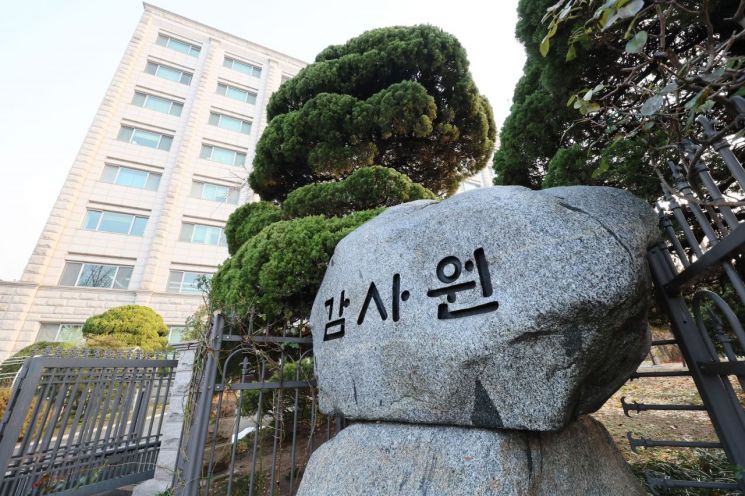
On May 27, the Board of Audit and Inspection released an audit report titled "Status of Alternative Investment Operations and Management by Major Pension Funds."
According to the report, Mr. A, who served as a division head responsible for investment at the Construction Workers Mutual Aid Association from 2016 to 2024, led the association's investment of approximately 30 billion won in a Spanish logistics asset fund in September 2019. After the fund was established, a foreign brokerage company involved in the investment received a commission of 400,000 euros from the fund. It was confirmed that in May 2020, this company sent 200,000 euros (about 260 million won) to a company established under a borrowed name for Mr. A, under the pretext of a rebate.
This company, represented by an acquaintance of Mr. A, had no employees to perform consulting services at the time and did not actually carry out any such services. Furthermore, in December 2020, Mr. A transferred 250 million won to his own account, via the accounts of his brother-in-law and spouse, by falsely contracting for artworks through this company. There was no actual art transaction.
In addition, in January 2022, Mr. A instructed a subordinate to issue a false investment confirmation letter in the name of the association’s president, required for the company’s registration as a GP (General Partner) of the fund. The subordinate also unlawfully used the association's corporate seal.
Although employees in charge of asset management are prohibited from purchasing stocks, one such employee bought about 745 million won worth of stocks in his own name. It was also discovered that he purchased stocks of listed and unlisted companies invested in by the association under borrowed names, using accounts in the names of his mother, spouse, son, and daughter.
In January, the Board of Audit and Inspection requested a prosecution investigation into Mr. A and demanded his dismissal, the highest level of disciplinary action, from the Construction Workers Mutual Aid Association.
Mr. B, a former manager at the association, did not report a conflict of interest when he invested 20 billion won in a foreign electric vehicle company fund in 2021, following a proposal from a college classmate and business partner who worked at the fund management company. The two are believed to have jointly purchased unlisted stocks around August 2020 and, in July 2022, jointly established a limited company and invested 200 million won in a UK digital asset exchange, confirming their business partnership.
During the investment process, even though major investors significantly reduced their investment amounts and other investors withdrew, indicating negative changes in circumstances, the association decided to proceed with the planned investment of 20 billion won in July 2021. As a result, by the end of last year, the association had incurred losses of 16.6 billion won, accounting for 83.1% of the total investment.
The Board of Audit and Inspection determined that it was necessary to investigate whether Mr. B, who resigned as soon as the audit began, had committed any additional crimes and sent relevant reference materials to the prosecution.
The Board of Audit and Inspection pointed out, "Since the association is not a financial institution under the law, there are limitations on supervision and oversight by financial regulatory authorities. There are also limitations in expertise and other areas in the supervision provided by the ministries in charge of each association, so the issue of regulatory blind spots remains unresolved."
© The Asia Business Daily(www.asiae.co.kr). All rights reserved.

















