Dutch Central Bank Recommends Keeping Cash
to Prepare for Emergencies
Amid confusion caused by large-scale power outages in Europe, the Dutch Central Bank has recommended that people keep cash on hand equivalent to approximately 110,000 won in preparation for disasters or emergency situations.
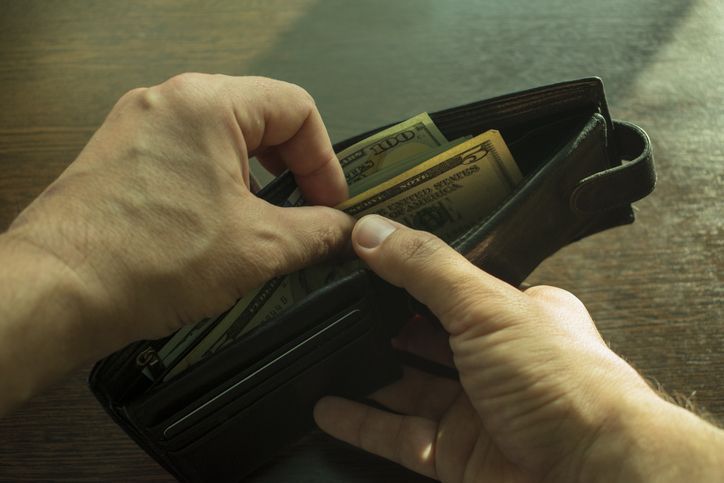
According to Euronews and other sources on the 21st (local time), the Dutch Central Bank advised that adults should keep 70 euros (about 109,000 won) per person, and children should keep 30 euros (about 47,000 won) per person in cash. This amount is calculated to cover the minimum essential expenses for three days in an emergency, including drinking water, food, medicine, and transportation costs.
This recommendation from the Dutch Central Bank comes in response to the large-scale power outages that occurred last month in Spain and Portugal. During those outages, card payments were suspended and ATMs malfunctioned, resulting in widespread disruption.
The Dutch Central Bank explained, "In situations such as power outages, bank system failures, or Wi-Fi disruptions, you may not be able to pay in your usual way, but cash is almost always usable." The bank also stated, "There is rising geopolitical tension, and there is a possibility of cyberattacks that could threaten payment systems."
In addition to holding cash, the Dutch Central Bank advised people to carry debit cards and to ensure that contactless payment methods, such as those using smartphones and smartwatches, are set up in advance in case card payments become unavailable. The bank emphasized the importance of having a variety of payment options, as the usual payment methods may not function in emergencies.
In March, the European Commission, the executive branch of the EU, also strongly recommended through its "Union Preparedness Strategy" that all member states ensure every citizen is equipped with a "survival kit" tailored to their circumstances, so that they can be self-sufficient for at least 72 hours even in the worst-case scenario.
© The Asia Business Daily(www.asiae.co.kr). All rights reserved.
![Clutching a Stolen Dior Bag, Saying "I Hate Being Poor but Real"... The Grotesque Con of a "Human Knockoff" [Slate]](https://cwcontent.asiae.co.kr/asiaresize/183/2026021902243444107_1771435474.jpg)
















