Cooling and Reheating Carbohydrates Forms Resistant Starch
Helps Prevent Blood Sugar Spikes, Constipation, and Lowers Colon Cancer Risk
Experts have advised that staple carbohydrate foods such as cooked rice and bread can become "superfoods" that help prevent blood sugar spikes and improve gut health when they are cooled after cooking and then reheated.
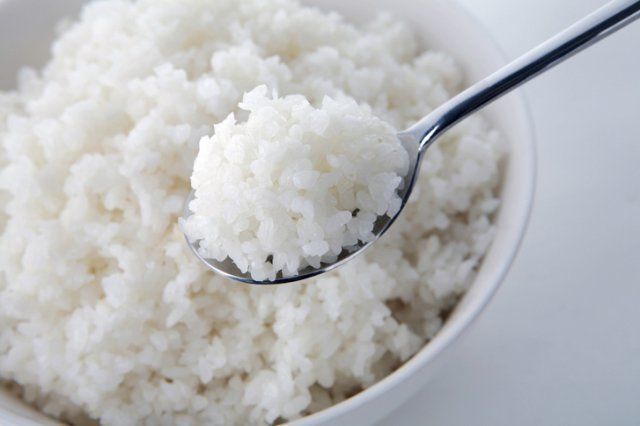
On May 12 (local time), Fortune Well, the health-focused site of the American business magazine Fortune, cited research from Johns Hopkins School of Medicine, reporting that cooking and cooling carbohydrates such as rice, bread, pasta, and potatoes, and then reheating them, leads to the formation of "resistant starch." This resistant starch helps prevent rapid increases in blood sugar and serves as food for beneficial gut bacteria. If blood sugar spikes repeatedly or remains high for extended periods, the risk of cardiovascular disease increases, insulin resistance can be strengthened, and the risk of developing diabetes can rise significantly.
The researchers explained, "Resistant starch is a carbohydrate that is not digested in the small intestine but is instead fermented in the large intestine. As the fiber ferments, it acts as a prebiotic, serving as food for beneficial gut bacteria." They added, "Unlike regular starch, which is typically broken down into glucose, resistant starch is not digested in the small intestine and therefore does not raise glucose levels."
The research team also noted that resistant starch may provide additional benefits, including increased satiety, treatment and prevention of constipation, reduced cholesterol, and a lower risk of colon cancer. Because resistant starch ferments more slowly, it is also reported to produce less gas compared to other types of fiber.
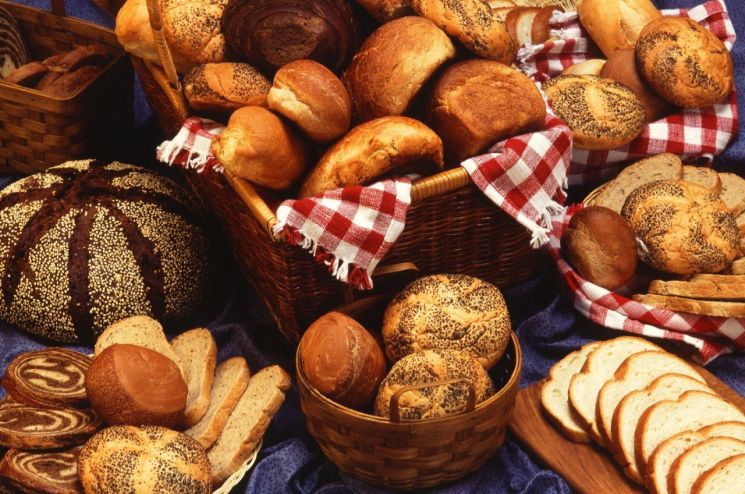
To obtain this resistant starch, it is necessary to cool carbohydrates after cooking. The researchers stated, "It is best to boil rice, potatoes, beans, or pasta a day in advance and refrigerate them overnight before eating." They added, "Even if you reheat them before eating, the amount of resistant starch does not decrease." Fortune Well further explained, "This method of cooling after cooking and then reheating can be applied to carbohydrates with an already low glycemic index, such as brown rice, oats, barley, beans, and whole wheat pasta, making it even more effective."
In fact, a study published in 2015 found that white rice cooked, cooled overnight, and then reheated contained about three times more resistant starch than freshly cooked white rice. A 2008 study also showed that white bread that was frozen, thawed, and then toasted produced a lower blood sugar response than bread that was not, with similar results observed for pasta and potatoes.
© The Asia Business Daily(www.asiae.co.kr). All rights reserved.
![Clutching a Stolen Dior Bag, Saying "I Hate Being Poor but Real"... The Grotesque Con of a "Human Knockoff" [Slate]](https://cwcontent.asiae.co.kr/asiaresize/183/2026021902243444107_1771435474.jpg)
















