Leading Response Ahead of 2026 Law with a Community-Based Integrated Care Model
Providing Tailored Services from 59 Programs Across Five Key Areas: Public Health, Health Management, Nursing, Care, and Housing
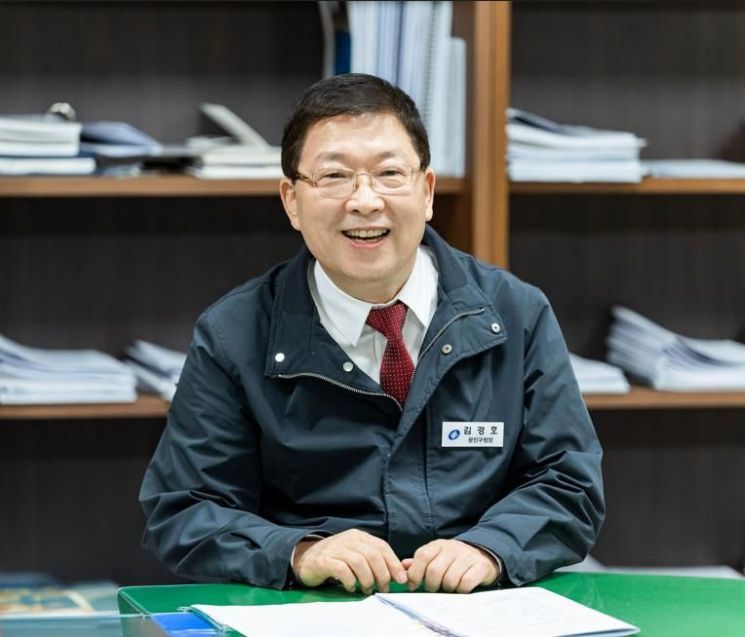
Gwangjin-gu (District Mayor Kim Kyungho) is officially launching the "Integrated Care Support Pilot Project," which aims to provide integrated support for services such as healthcare and care that have previously been operated in a fragmented manner, focusing on the needs of individual recipients.
"Integrated Care Support" is a system designed to ensure that seniors and people with disabilities who experience difficulties in daily life can receive comprehensive services?including medical care, nursing, and support?while remaining in their own homes. With the "Integrated Care Support Act," enacted last year, set to take effect next year, the district is proactively implementing this pilot project to identify shortcomings in the system and seek improvements ahead of the law’s enforcement.
The district was selected for both the Ministry of Health and Welfare's "Medical and Care Integrated Support Pilot Project" and the Seoul Metropolitan Government's "Integrated Care Support Center Pilot Project." In February, Gwangjin-gu launched the "Gwangjin-gu Integrated Care Promotion Team," a collaboration between public departments and private organizations, and began full-scale project implementation.
Starting in May, the district will focus on identifying seniors aged 75 and older who are about to enter nursing hospitals or facilities?including recipients of long-term care home benefits, those not classified under long-term care grades, and recently discharged patients. The district plans to link 59 services across five key areas?public health, health management, nursing, care, and housing?that were previously provided separately by different agencies and departments, to enable recipients to receive more stable and integrated welfare services.
In particular, staff from the Gwangjin branch of the National Health Insurance Service and local community center employees will visit seniors’ homes to conduct in-depth consultations. Based on these consultations, they will develop "personalized care support plans" tailored to individual needs and then provide systematic services accordingly. This process is the core of the project.
Gwangjin-gu will also operate its own specialized services. Professional staff, such as exercise therapists, will visit seniors’ homes once a week to provide "personalized exercise programs." In addition, the district will implement the "Gwangjin-Style Discharged Patient Linkage Support" program to ensure that care continues and recovery is safe even after hospital discharge.
On May 13, Lee Kiil, the First Vice Minister of Health and Welfare, visited Gwangjin-gu Office to review the progress of the Integrated Care Support initiative and to listen to suggestions and feedback during a meeting.
The district plans to enact the "Ordinance on Integrated Regional Care Support" during the first half of this year, and to hold an "Integrated Care Resident Briefing Session" in the second half to promote understanding and participation among residents. Through these efforts, Gwangjin-gu aims to build community consensus on integrated care, and will begin full-scale implementation of the project starting in March next year.
Kim Kyungho, Mayor of Gwangjin-gu, stated, "This pilot project is more than simply linking services; it is the first step toward establishing a sustainable, community-based care system to close the gaps in healthcare and care services. We will continue to do our utmost to provide comprehensive and practical care services that residents can truly experience."
© The Asia Business Daily(www.asiae.co.kr). All rights reserved.
![Clutching a Stolen Dior Bag, Saying "I Hate Being Poor but Real"... The Grotesque Con of a "Human Knockoff" [Slate]](https://cwcontent.asiae.co.kr/asiaresize/183/2026021902243444107_1771435474.jpg)















