Hyundai Maintains Top Spot, but Sales Plunge in Europe and Elsewhere
"Falling Further from Policy Priorities and Consumer Choice"
In the first quarter of this year, the global fuel cell electric vehicle (FCEV, hydrogen vehicle) market experienced a contraction of more than 10% year-on-year due to sluggish sales.
According to energy market research firm SNE Research on May 13, global hydrogen vehicle sales between January and March 2025 totaled 2,119 units, down 11.2% compared to the first quarter of the previous year. Hydrogen vehicle sales peaked at 20,704 units in 2022, then shifted to a decline in 2023 with 16,413 units sold. Last year, sales further dropped to 12,866 units.
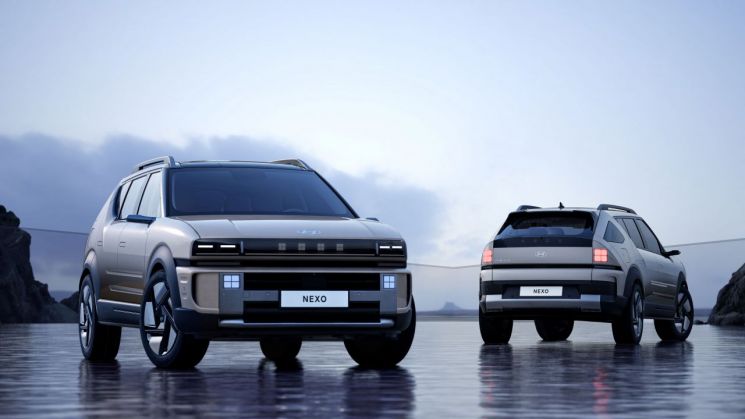
By brand, Hyundai Motor Company maintained its top position in the market by selling 772 units in the first quarter of this year, led by the Nexo, achieving a growth rate of 11.6%. The Nexo is expected to launch its first fully redesigned model in seven years since its initial release in 2018. With mass production beginning in May and expansion planned not only for the domestic market but also for North America, Europe, and other global markets, future sales are projected to increase further. Toyota, ranked second, sold only 150 units in total with its Mirai and Crown models, representing a sharp decline of 82.8% year-on-year.
By country, China recorded the highest number of hydrogen vehicle sales at 1,197 units, up 45.4% from the same period last year. South Korea followed, selling 727 units, a 15% increase. In third place, Japan sold 123 units, a 53.2% decrease due to Toyota's sluggish sales. In Europe, only 39 units were sold, marking a 91% year-on-year contraction.
SNE Research analyzed that the stagnation in the global hydrogen vehicle market is not a temporary phenomenon but rather indicates a structural shift toward an electric vehicle-centered market. SNE Research stated, "While South Korea and China continue to support the hydrogen industry as a strategic sector at the national level, the United States and Europe are clearly steering toward electric vehicles through the Inflation Reduction Act (IRA) and carbon emission regulations." The firm added, "Under these circumstances, hydrogen vehicles are being deprioritized in policy, and issues such as insufficient charging infrastructure, high vehicle prices, and maintenance costs are further distancing consumers from choosing hydrogen vehicles."
© The Asia Business Daily(www.asiae.co.kr). All rights reserved.

















