U.S. to Lower Tariffs on China to 30%,
China to Reduce Tariffs on U.S. to 10%
Following the launch of the second Donald Trump administration, the United States and China, which have been engaged in a tariff war, have agreed to significantly lower tariffs for the next 90 days.
According to major foreign media outlets including AFP on the 12th (local time), U.S. Treasury Secretary Scott Besant, U.S. Trade Representative Jamison Greer, and Chinese Vice Premier He Lifeng announced in a joint statement that both countries would each reduce mutual tariffs by 115 percentage points.
As a result, U.S. tariffs on Chinese goods will be reduced from 145% to 30%, and China's retaliatory tariffs on U.S. products will be lowered from 125% to 10%. Both countries agreed to implement these measures starting from the 14th. The reduced tariffs will be applied for 90 days, after which further negotiations will continue.
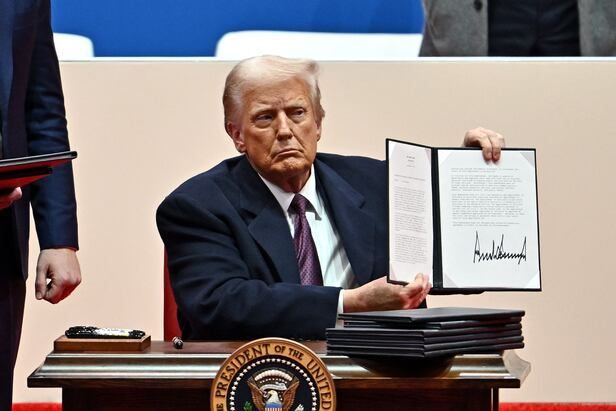
Previously, after the start of the second Trump administration, the United States imposed 10% tariffs on China in both February and March, citing reasons such as combating drug trafficking. Last month, the U.S. announced it would impose a 34% mutual tariff to address the trade deficit. In response, China imposed retaliatory tariffs, leading the U.S. tariffs on China to rise to 145%. China also raised its tariffs on U.S. goods to 125%.
The 30% U.S. tariff on Chinese goods agreed upon in this deal appears to consist of the existing 20% related to fentanyl, plus an additional 10% mutual tariff that President Trump stated would be maintained at a minimum despite the negotiations. China is also understood to have retained a minimum 10% mutual tariff to leave room for further negotiations. At a press conference, Secretary Besant said, "Both delegations agreed that neither side wants decoupling." It was also reported that during the negotiations, the two countries discussed the U.S. demand for a crackdown on the illicit trafficking of chemical substances used in the manufacture of fentanyl.
The United States and China agreed to establish a mechanism for ongoing discussions on economic and trade relations. These discussions will be held alternately in the U.S. and China, or in a third country by mutual agreement. If necessary, working-level negotiations, in addition to high-level talks, may also be conducted.
© The Asia Business Daily(www.asiae.co.kr). All rights reserved.
![Clutching a Stolen Dior Bag, Saying "I Hate Being Poor but Real"... The Grotesque Con of a "Human Knockoff" [Slate]](https://cwcontent.asiae.co.kr/asiaresize/183/2026021902243444107_1771435474.jpg)















