80% of Cut Flowers in the U.S. Are Imported from Colombia and Other Countries
10% Tariff Imposed... Flower Prices Rise Even Higher
The aftermath of the Trump-initiated tariff war is also affecting flower prices in the United States.
On May 11 (local time), CNN reported that some flower prices have risen due to tariffs imposed by U.S. President Donald Trump, and as a result, some consumers are cutting back on their Mother's Day spending.
Mother's Day is one of the peak seasons for U.S. florists. However, flower shop owners are complaining that this year, sales are not as strong as in previous years. Allison Krivacek of Hydrangea Bloom in Tiffin, Iowa, told CNN, "We need to raise flower prices, but it's definitely impacting sales, so we can't do that," adding, "I completely understand people's financial situations."
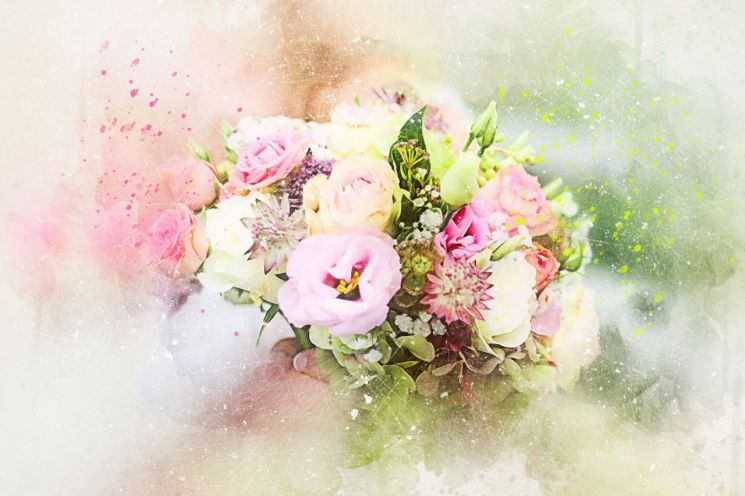
According to data from the U.S. Department of Agriculture and the Census Bureau, about 80% of cut flowers sold in the United States are imported from Colombia, Canada, and Ecuador. Last year, the U.S. imported approximately $2.26 billion (about 3.15 trillion won) worth of flowers. By country, Colombia holds a 60% share of the U.S. market, and Ecuador 25%.
CNN explained that tariffs have increased the cost of importing flowers from these countries to the United States. One company raised the price of a popular Mother's Day bouquet from $100 (about 140,000 won) to $125 (about 175,000 won). A representative from this company said that this year's Mother's Day flower sales dropped by about 30% compared to other years. They also noted that the price of lisianthus has nearly doubled from last year, and roses have risen by 10% to 50%, adding that flower price hikes are steeper than the 10% tariff itself.
According to a survey by the online lender LendingTree, many people are reducing their spending due to tariffs and economic concerns, resulting in a 14% decrease in U.S. Mother's Day spending.
Debra Prinzing, founder of the Slow Flowers Society and an advocate for American-grown flowers, pointed out that the U.S. flower industry has been structured to rely on imports. Prinzing said, "I don't like it, but that's the reality," adding, "It's really strange that flower prices have gone up so much even though the tariffs aren't that high." Due to the high cost of flowers, more consumers are buying flowers themselves and making DIY arrangements instead of ordering bouquets from florists.
© The Asia Business Daily(www.asiae.co.kr). All rights reserved.
![Clutching a Stolen Dior Bag, Saying "I Hate Being Poor but Real"... The Grotesque Con of a "Human Knockoff" [Slate]](https://cwcontent.asiae.co.kr/asiaresize/183/2026021902243444107_1771435474.jpg)















