As spring settles in, outdoor activities are becoming increasingly popular.
This is also the time when wild animals that have been hibernating during winter begin to reappear one by one. In particular, when the temperature rises above 15 degrees Celsius, snakes awaken from hibernation and start to become active. Because snakes can appear not only in the mountains but also on walking trails, in fields, and on the outskirts of urban areas?essentially in everyday spaces?caution is required.
Snakes that become active in spring reach their peak frequency of appearance during the summer, and as temperatures drop after mid-October, they begin preparing for hibernation again, resulting in decreased activity.
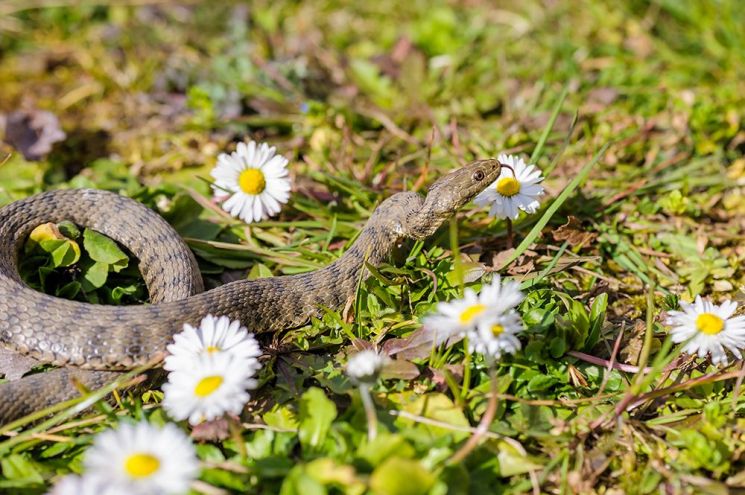
Various species of snakes inhabit Korea, and some of them, such as pit vipers, are venomous and can cause serious injury or shock to humans. Therefore, it is essential to be familiar with both preventive measures and emergency first aid for snakebites when engaging in outdoor activities.
According to the National Fire Agency's analysis of snakebite incidents in 2022, the most common locations were fields (33.8%), homes (17.2%), roads (8.2%), mountains (6.1%), and workplaces (3.9%). This shows that, contrary to the common belief that snakes are found mainly in the mountains, they can easily appear within our daily living environments.
Symptoms of a snakebite vary depending on the species of snake and the amount of venom injected. Generally, local symptoms include bite marks, pain, bleeding, swelling, skin discoloration, blisters, a feeling of heat, and stinging. Systemic symptoms may include nausea, vomiting, headache, dizziness, general weakness, sensory disturbances, decreased consciousness, difficulty breathing, and shock.
Since snakes tend to remain in the area where they hunted for a certain period, there is a high chance that the snake will still be nearby immediately after a bite. If bitten, move away to a safe distance immediately and call 119 for emergency assistance.
After ensuring your safety, if possible, take a photo of the snake from a distance to help identify its species. However, never attempt to catch or approach the snake.
When bitten by a snake, many people become agitated due to fear of venom entering the body rather than from pain. This can raise the heart rate and cause the venom to spread more quickly. Therefore, until emergency responders arrive, remain calm and stay still in a safe place.
Remove any accessories such as rings, bracelets, or watches from the bitten area and loosen any tight clothing. To slow the circulation of venom, keep the bitten area lower than the level of the heart.
As an emergency measure to slow the spread of venom through the lymphatic and venous systems, wrap a bandage 2?3 cm above the bite site. The bandage should be tight enough that a finger can slip under it easily. Be careful not to wrap it too tightly, as this could restrict arterial blood flow and impair circulation.
Some people attempt to suck out the venom with their mouth or cut the wound, but these methods are ineffective and can increase the risk of secondary infection and tissue damage, so they should be strictly avoided.
Bae Byungkwan, Director of the Regional Emergency Medical Center at Daedong Hospital and an emergency medicine specialist, stated, "It is commonly believed that snakes do not cause harm unless provoked, but in reality, most incidents occur when people unknowingly disturb snakes hiding in grass during farm work or outdoor activities." He added, "With the recent abnormal weather causing earlier onset of warm temperatures and snake activity, it is crucial to remain vigilant, take preventive measures, and have accurate knowledge of emergency first aid for snakebites."
To prevent snakebite accidents, wear long pants, long sleeves, and gloves when visiting areas where snakes are likely to appear, such as fields, mountains, forests, or rocky areas. In places with dense weeds or grass, use a stick to check the area ahead, and avoid using strongly scented cosmetics.
Keep grass trimmed in yards and along fences around residential areas, and prune tree branches to prevent them from touching the house. Install lighting along the path from the main gate to the entrance to ensure visibility at night. Remove potential snake prey such as rodents and frogs by cleaning up ponds, storage areas, and crevices where these animals may live.
© The Asia Business Daily(www.asiae.co.kr). All rights reserved.
![Clutching a Stolen Dior Bag, Saying "I Hate Being Poor but Real"... The Grotesque Con of a "Human Knockoff" [Slate]](https://cwcontent.asiae.co.kr/asiaresize/183/2026021902243444107_1771435474.jpg)















