Increase in Non-Resident Home Purchases This Year... Demand for Second Homes and Country Houses Estimated
Preference Shifts Toward Detached Homes Over Apartments... Apartment Purchases Decline
Market Uncertainty Persists with Unsold Homes and Occupancy Rates... Caution Against a "Temporary Recovery"
 The number of home purchases by non-residents has reached its highest point in 22 months, with investment demand returning to Jeju Island. Photo by Getty Images
While the nationwide housing market remains sluggish, Jeju Island is showing signs of a rebound. The number of homes purchased by non-residents has reached its highest level in 22 months. This has led to assessments that investment demand is returning to Jeju Island.
Non-resident Home Purchases in Jeju Reach 22-Month High
According to the "March Housing Statistics" released by Jeju Province on May 8, the total number of housing transactions in the province was 649, marking a 19.1% increase compared to the previous month (545 transactions) and a 21.8% increase from the same period last year (533 transactions). The total number of housing transactions is the highest since November 2023, when 658 homes were sold. Of these, non-residents purchased 148 homes, accounting for 22.8% of the total. In terms of transaction count, this is the highest figure in 22 months since May 2023 (157 transactions).
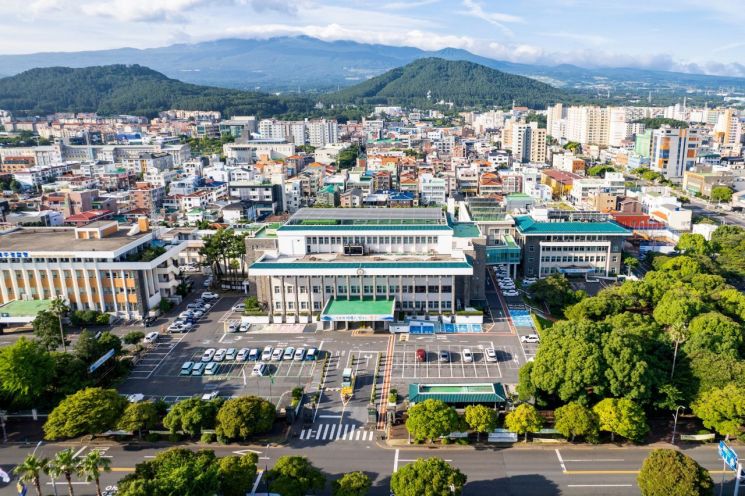
Non-resident purchases of homes in Jeju have been rising rapidly this year. In January, there were 78 transactions (17.0% share), followed by 103 in February (18.9% share), and 148 in March (22.8% share), showing a continuous increase. Over the two-month period, the number of transactions rose by 89.7%. Compared to March of last year (80 transactions, 15.0% share), the number increased by 85.0%. The share of non-resident purchases in total housing transactions also rose by 7.8 percentage points, indicating a trend that goes beyond a simple recovery.
While non-residents traditionally preferred investing in apartments, a different trend has emerged this year. There is now a clear preference for detached houses or country-style homes in eup and myeon areas over apartments. In March, non-residents purchased 21 apartments, a decrease from 24 in February. The share of apartment purchases was 9.5%, lower than both the previous month's 11.1% and the 14.7% recorded a year earlier. On an annual basis, the share of apartment purchases by non-residents has been steadily declining: 18.1% in 2022, 15.9% in 2023, and 13.7% last year.
Recovery or Temporary Spike? "Needs More Monitoring"
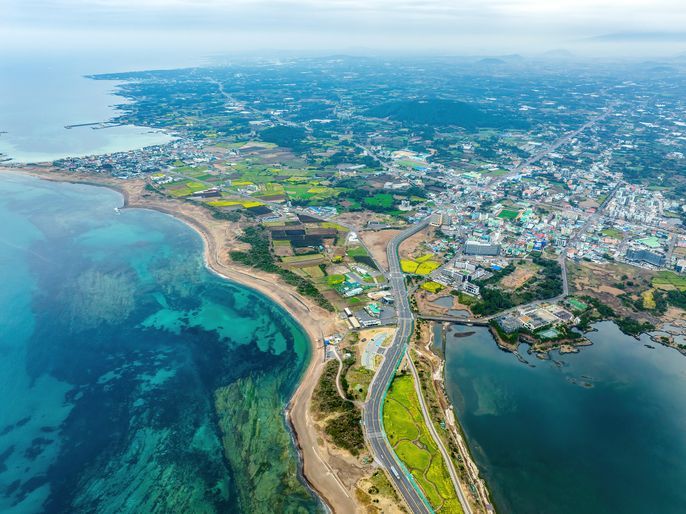 Outsiders generally preferred investing in apartments, but this year a clear preference for detached houses or country-style homes in eup and myeon areas has emerged. Getty Images
It is believed that demand for second homes, which had been subdued since the COVID-19 pandemic, is once again returning to Jeju Island. There appears to be a growing number of cases where highly mobile groups?such as IT industry freelancers, middle-aged individuals approaching retirement, and professionals without fixed workplaces?are choosing Jeju as a long-term residence or a second home. According to the Housing Industry Research Institute, Jeju's Housing Business Sentiment Index reached 81.2 in April, a sharp increase of 16.5 points from the previous month's 64.7. Jeju Provincial Government officials explained, "Expectations for a recovery in the local housing market seem to have had a positive impact on business sentiment."
Some expect this trend to lead to a broader recovery in Jeju's real estate market. However, others urge caution, noting that, as in other regions, the issue of unsold homes in oversupplied areas has not been fully resolved, making it premature to draw definitive conclusions. As of March, there were 2,561 unsold homes in Jeju, including 1,605 classified as "malignant unsold homes," meaning they remained unsold even after completion. The apartment occupancy rate in March was 57.0%, a decrease of 18.7 percentage points from February's 75.7%, indicating that actual residential conversion remains insufficient.
Yang Jiyeong, head of Asset Management Consulting at Shinhan Investment Corp., stated, "It is too early to see this as a clear sign of a market revival as in the past," adding, "While expectations related to projects such as the second airport may have played a role, it is necessary to watch further to determine whether the surge in non-resident transactions is a temporary spike or a sign of structural change."
© The Asia Business Daily(www.asiae.co.kr). All rights reserved.



















