Up to 118.93 Million Won in Support Per Child
Ten Thousand Won Homes, Youth Housing, and Dormitories for Nursing and Welfare Workers Being Established
Jindo County in South Jeolla Province (Governor Kim Heesu) is seeing positive changes in the local community as the population policies it has steadily pursued are now bearing fruit.
According to the county on May 9, the population, which had been decreasing by an average of 58 people per month since December 2020, increased by 9 people at the end of March 2025 compared to the previous month, marking a turnaround after 4 years and 3 months. At the end of April, the population increased by 1 person compared to the previous month, achieving two consecutive months of net population growth.
This population rebound is seen as a visible result of Jindo County's focused efforts this year, particularly the "Have Your Address in Your Hometown or Workplace" campaign, as well as various policies aimed at improving living conditions in areas such as childbirth and childcare, housing, and employment.
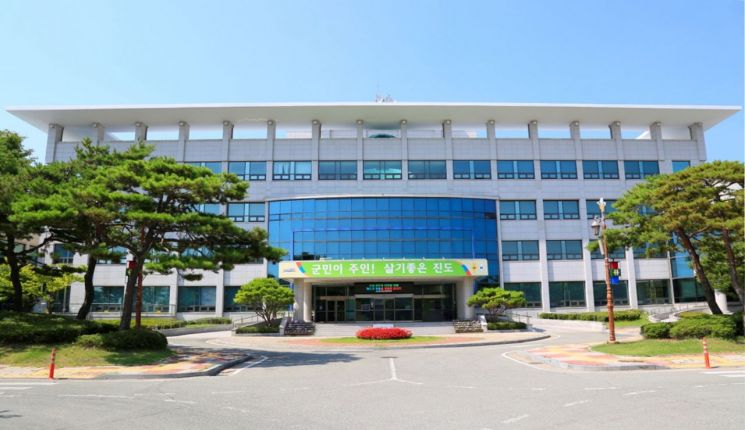
The "Have Your Address in Your Hometown or Workplace" campaign involves the participation of all residents, local institutions, organizations, and businesses. It aims to raise awareness that population issues are critical to the existence and future of the region, and naturally encourages family members, acquaintances, and colleagues to register their addresses where they actually live or work.
This campaign is conducted in a relay format, and so far, 11 institutions and organizations?including Army Unit 8539, Jindo Office of Education, Jindo Fire Station, National Namdo Gugak Center, Korea Water Resources Corporation, and the Agricultural Products Quality Management Service?have voluntarily participated, contributing to the spread of a culture of having a real residential address within the region.
In addition, the county is actively implementing policies to boost the birth rate and create a child-friendly environment. An unprecedented support plan has been introduced, providing up to 118.93 million won per child from birth through education. The first child is eligible for up to 107.43 million won, the second child for up to 108.43 million won, and the third child or more for up to 118.93 million won.
This support consists of a total of 15 detailed programs, including childbirth incentives, basic birth allowances, entrance celebration grants, youth coupons (vouchers), overseas training for high school students, and scholarships for college freshmen. These measures are designed to encourage childbirth by substantially reducing the financial burden of childrearing.
Policies to ensure housing stability for young people are also being implemented. Utilizing the Local Extinction Response Fund, the county is creating various types of housing, including 60 Jeonnam-style "Ten Thousand Won" homes, 18 public rental units for youth, and 30 dormitory units for nursing and welfare personnel. In addition, the county is actively discovering and supporting creative jobs that utilize local resources, such as the Hope Job Support Program, continuous service incentives, and customized employment projects for the local industry, to help young people establish a stable income base.
Systematic support is also being provided to help new residents, including returnees to farming, fishing, and rural life, settle in the area and expand the inflow of external population. The "Experience Living in Jindo" program allows prospective migrants to stay in Jindo for a certain period to experience local jobs and living conditions, offering accommodation for 2 to 3 months.
For those in the mid-term settlement stage, the county operates seven "Returnee to Farming" houses, allowing stays of 6 to 9 months. These are offered at affordable rents of 100,000 to 120,000 won per month, reducing the initial settlement burden.
In the long term, the county plans to operate the "Bobaeseom House," remodeled from vacant homes, starting in the second half of this year. This will provide stable housing for two years at a monthly rent of 10,000 won.
In addition to these step-by-step housing supports, the county is also implementing a range of policies to help new residents settle stably, such as assistance with farmhouse repairs, moving costs, agricultural and fishing materials, and loans for starting businesses and purchasing homes.
Furthermore, the county is working to revitalize local industrial complexes to create sustainable jobs and boost the local economy. Last year, all nine blocks for agro-fisheries food processing in the county's industrial complex were sold, and the county is swiftly supporting company move-ins, aiming to create new jobs and attract more residents.
Additionally, the Gogun Industrial Complex, which was selected for a Ministry of Trade, Industry and Energy project, is carrying out environmental improvement projects?including nightscape and road maintenance?with a total budget of 8.6 billion won. A youth culture center is also being built to improve living conditions for workers.
This center will include worker dormitories, a shared laundry room, a fitness center, a multipurpose room, and a job and startup incubation center, providing a foundation for workers and young people to settle stably in the region.
An official from the Population Policy Office stated, "Our county's population policy focuses not just on attracting new residents, but on creating conditions where people can live and work in the region," adding, "We will continue to implement practical policies that residents can truly feel, in order to sustain population growth and bring new vitality to the region."
© The Asia Business Daily(www.asiae.co.kr). All rights reserved.
![Clutching a Stolen Dior Bag, Saying "I Hate Being Poor but Real"... The Grotesque Con of a "Human Knockoff" [Slate]](https://cwcontent.asiae.co.kr/asiaresize/183/2026021902243444107_1771435474.jpg)















