Final Supreme Court Victory
Gwangju City in Gyeonggi Province announced on May 8 that it had achieved a complete victory in the Supreme Court, bringing to an end more than three years of legal disputes over the site selection for a comprehensive waste treatment facility.
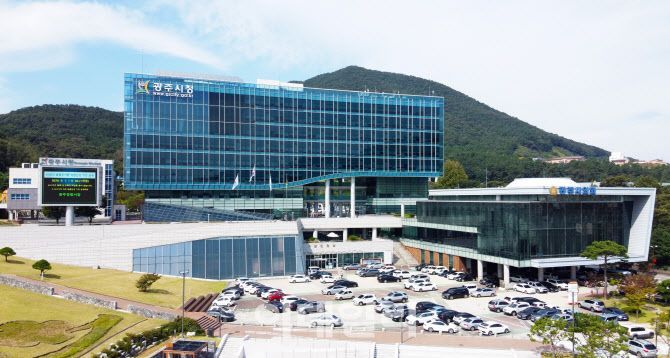
On May 1, the Supreme Court dismissed the appeal in the final trial of the 'lawsuit to cancel the public notice of the comprehensive waste treatment facility site selection,' filed by some residents of Suyang-ri, Gonjiam-eup. The court made a 'dismissal without a hearing' decision, meaning the appeal was rejected without substantive review, and the rulings of the first and second trials were fully upheld.
Previously, the first-instance court ruled that the criteria for resident registration and consent required for site selection (majority consent from households registered in the area from January 1, 2017, to the public notice date of April 26, 2018) were "reasonable conditions that substantially reflect the characteristics of the area and the will of the residents," and found the city's decision to be lawful. The court also determined that there were no issues with the resident consent process or with the composition and operation of the site selection committee.
The appellate court (Suwon High Court) also dismissed the plaintiffs' appeal, stating that both the factual findings and legal judgments of the first-instance court were valid, and the Supreme Court unanimously confirmed this decision.
As a result of this ruling, Gwangju City's ongoing project to establish a resource circulation facility complex, particularly the construction of an integrated biogas facility, has secured legal legitimacy. The city expects the project to proceed without further obstacles in the future.
Gwangju Mayor Bang Sehwan stated, "This ruling confirms that the city's administration was legitimate, having been carried out through fair procedures and the collection of residents' opinions," and added, "We will continue to promote eco-friendly resource circulation facilities without setbacks, based on communication with the local community."
This Supreme Court decision is seen as one of the cases of local conflict over the installation of environmental facilities, once again highlighting the importance of resident participation and fair administrative procedures.
© The Asia Business Daily(www.asiae.co.kr). All rights reserved.
![Clutching a Stolen Dior Bag, Saying "I Hate Being Poor but Real"... The Grotesque Con of a "Human Knockoff" [Slate]](https://cwcontent.asiae.co.kr/asiaresize/183/2026021902243444107_1771435474.jpg)















