BGF Retail Reports 22.6 Billion KRW in Operating Profit, Down 30.7% Year-on-Year
GS Retail Expected to See Nearly 40% Decline
New Stores to Open Mainly in Promising Areas
Plans to Differentiate with Private Brand and Value-for-Money Products
BGF Retail, one of the two leading companies in the convenience store industry, reported disappointing business results for the first quarter of this year. This was due to a significant decline in consumer sentiment from the beginning of the year, which was caused by political instability following the 12·3 Martial Law incident, as well as the aftermath of major accidents and natural disasters. Unfavorable weather conditions, including severe cold, further reduced outdoor activities among consumers, dealing another blow to the industry. Its competitor, GS Retail, is also expected to face an inevitable decline in profitability.
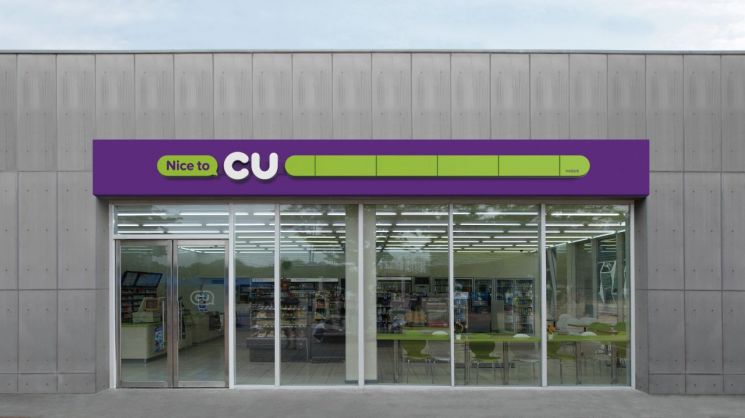
On May 8, BGF Retail, which operates the CU convenience store chain, announced in a regulatory filing that its consolidated operating profit for the first quarter of this year was provisionally tallied at 22.6 billion KRW, a decrease of 30.7% compared to the same period last year. Revenue increased by 3.2% year-on-year to 2.0165 trillion KRW, but net profit for the period dropped by 42.7% to 13.4 billion KRW.
A BGF Retail representative explained, "Consumer sentiment was affected by an unstable domestic and international environment, as well as variables such as severe cold, an aircraft accident, and wildfires," and added, "Compared to last year, which was a leap year, there was one less business day in the first quarter of this year. As a result, even though revenue increased slightly, it was not enough to offset costs, leading to a decrease in operating profit."
The influence of convenience stores in the offline channel has also weakened compared to the past. According to the Ministry of Trade, Industry and Energy, domestic convenience store sales in the first quarter of this year decreased by 0.4% compared to the same period last year. This is the first time since statistics began in 2013 that quarterly sales for convenience stores have recorded negative growth. In fact, in February, domestic convenience store sales fell by 4.6% year-on-year, marking the first decline in about five years since February to March 2020, and in March, sales only managed to rise by 1.4% compared to the same period last year.
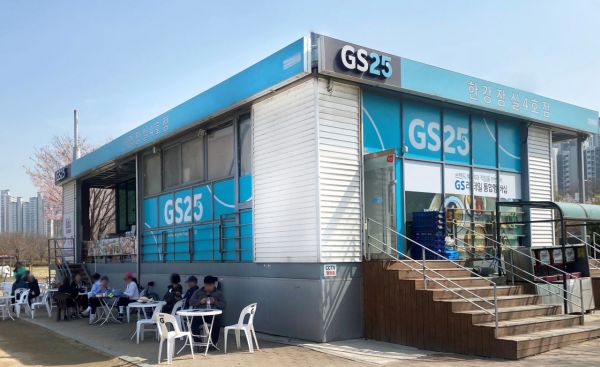
GS Retail, which is set to announce its first-quarter results on May 9, also faces a bleak outlook. According to securities firms, the company's first-quarter operating profit consensus (market average forecast) is estimated at 44.2 billion KRW, down about 40% from the same period last year. During the same period, revenue is expected to decrease by 0.38% to 2.7998 trillion KRW. Nam Sung-hyun, a researcher at IBK Investment & Securities, analyzed, "The slowdown in the core convenience store business is appearing rapidly," and added, "We expect that the deterioration in consumer sentiment and a decline in sales of seasonal products have also led to a decrease in home shopping transaction volume and same-store sales growth at supermarkets."
These companies plan to focus on improving their business structure by opening new stores primarily in promising areas, rather than indiscriminately expanding the number of convenience store locations, and by increasing the proportion of medium and large-sized stores. They also intend to expand their lineup of ultra-low-priced products to match the consumer trend of favoring private brand (PB) items and value for money in this era of high prices.
A BGF Retail representative stated, "We expect sales of convenience store peak season categories such as ready-to-eat meals, desserts, beverages, and alcoholic drinks to increase in the second quarter, when demand for outings rises," and added, "We plan to strengthen our competitiveness by expanding differentiated products related to these categories."
© The Asia Business Daily(www.asiae.co.kr). All rights reserved.


















