Seoul Institute of Health and Environment Tests Over 1,300 Herbal Medicines
59 Cases of Non-Compliance Found... Excessive Heavy Metals Detected
Stricter Safety Inspections for Ojeoksan, Ssanghwatang, and Others
Heavy metals and residual pesticides have been detected in some herbal medicines currently distributed in the market. Herbal medicines deemed non-compliant were immediately sealed and secured.
On May 8, the Seoul Institute of Health and Environment announced that it had collected and tested 1,293 samples of herbal medicines distributed in the market last year, confirming a total of 59 cases of non-compliance.
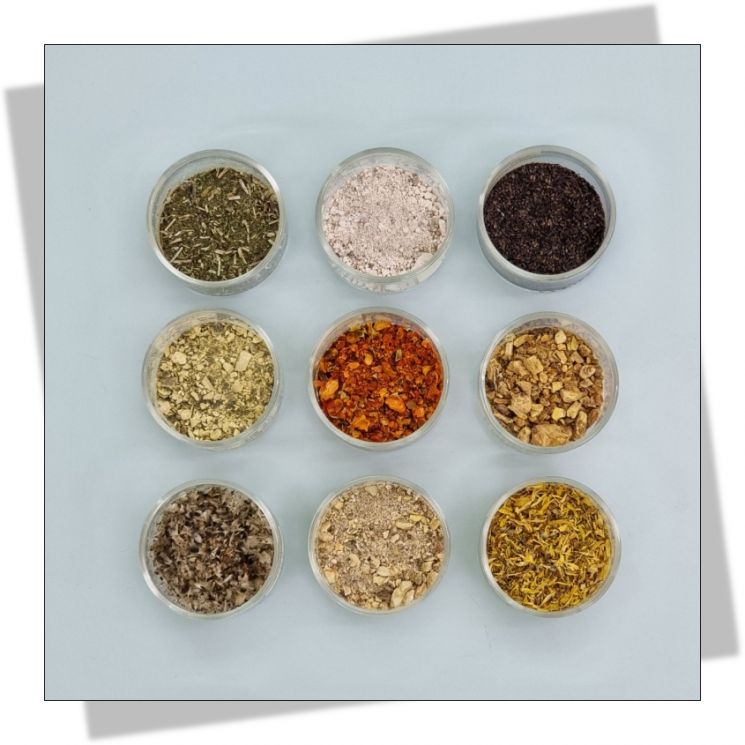
Among the non-compliance cases, excessive heavy metal content was the most frequent. Other issues identified included poor physical characteristics (origin plant or form), exceeding standards for residual pesticides, and excessive detection of sulfur dioxide. The affected herbal medicines were immediately sealed and secured. Additionally, the institute promptly notified relevant agencies such as the Ministry of Food and Drug Safety to block further distribution.
In response to the recent increase in herbal medicine consumption, the institute has decided to significantly strengthen quality and safety inspections for five types of herbal medicines that are frequently prescribed (Ojeoksan, Ssanghwatang, Dangguisosan, Gunghatang, and Galgeuntang). In particular, to improve the quality of herbal medicines, the institute plans to expand both the number and types of efficacy and genetic tests, and to enhance precision testing for hazardous substances such as mycotoxins.
The institute has newly added Dokhwal and Mokhyang to the list of herbal medicines subject to efficacy component content testing starting this year, following validation of testing methods. In addition, for high-value herbal medicines such as Baeksuo and Nokyongjeolpyeon, the institute plans to significantly increase the number of genetic tests to more scientifically determine whether the products have been tampered with or counterfeited.
Cooperation with relevant agencies will also be strengthened. To enhance quality inspections, the institute will systematically manage quality by working closely with Seoul City and each district, centering on the Gangbuk Agricultural and Marine Products Inspection Center located in the Yakryeong Market in Dongdaemun-gu, Seoul, and targeting various distribution channels such as herbal medicine wholesalers and Korean medicine hospitals.
Park Joosung, Director of the Seoul Institute of Health and Environment, stated, "We will continue to focus on managing herbal medicines with a history of non-compliance and those frequently prescribed, in order to continuously enhance consumer trust in herbal medicine quality," adding, "We will do our utmost to ensure that citizens can enjoy healthier and safer lives."
© The Asia Business Daily(www.asiae.co.kr). All rights reserved.
![Clutching a Stolen Dior Bag, Saying "I Hate Being Poor but Real"... The Grotesque Con of a "Human Knockoff" [Slate]](https://cwcontent.asiae.co.kr/asiaresize/183/2026021902243444107_1771435474.jpg)
















