May Cause Problems with Internal Bladder Control Function
Higher Risk of Pelvic Floor Muscle Weakening in Women
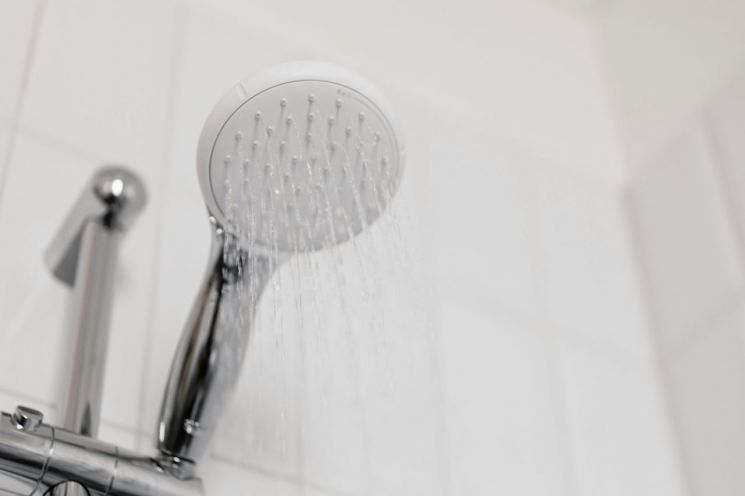
Amid the heated debate between the claim that urinating during a shower saves water and the argument that it is unhygienic, an American doctor has explained why urinating in the shower is not advisable. On May 7 (local time), the Daily Mail reported, citing American urologist Dr. Teresa Irwin, that the habit of urinating in the shower could have negative health effects.
Dr. Irwin argued that urinating while showering can cause the brain to associate the sound of running water with the urge to urinate, making people feel the need to urinate whenever they hear running water. She explained that the act of urinating in the shower is similar to the "Pavlov's dog" training. Therefore, once you start urinating in the shower, "every time you wash your hands, shower, or do the dishes, whenever there is running water, your bladder will 'salivate' with the urge to urinate," she emphasized.
As a result, in the long term, this can disrupt the body's internal bladder control function, causing people to feel the urge to urinate frequently and involuntarily. This is not the only reason why urinating in the shower is considered risky. Some experts warn that, especially for women, it can increase the risk of urinary tract infections or kidney failure.
Urinating in the shower can weaken the pelvic floor muscles in women. The pelvic floor muscles are bowl-shaped muscles that support the bottom of the pelvis. If these muscles weaken, symptoms of urinary incontinence?such as feeling the urge to urinate or leaking urine involuntarily?can occur. The pelvic floor muscles are used for urinary functions such as holding or releasing urine. They also support the proper positioning of the organs and appendages of the urogenital system, including the uterus, vagina, bladder, urethra, colon, and rectum.
Additionally, they play an important role in normal sphincter movement and the development of sexual sensation, among other functions. In particular, when urinating, the pelvic floor muscles should relax and lengthen. However, if you urinate standing up or with your legs apart in the shower, the pelvic floor muscles cannot relax properly. As a result, you may not be able to urinate fully and may experience a sense of incomplete emptying. Over time, this habit can lead to pelvic floor dysfunction.
Furthermore, urinating in the shower can pose a risk of skin infection. While the urine of healthy people is generally sterile, those with cystitis or urinary tract infections may have bacteria in their urine. Therefore, if there are wounds on the lower body, there is a risk of infection from bacteria in the urine. However, since the skin is washed with water during a shower, this risk is considered relatively low.
Meanwhile, according to foreign media outlets such as the New York Post in March, a survey conducted by American polling firm Talker Research of 2,000 Americans found that one in four people urinate in the shower. By age group, 25% of Millennials (born 1981-1996) said they urinate in the shower, a higher rate than other generations. Among Generation X (born 1965-1980), 13% responded that they urinate in the shower, while only 6% of Baby Boomers (born 1946-1964) said the same. There were also differences by gender: 30% of men and 20% of women reported urinating in the shower. In particular, a higher proportion of men considered the act of urinating in the shower to be natural behavior.
© The Asia Business Daily(www.asiae.co.kr). All rights reserved.
![Clutching a Stolen Dior Bag, Saying "I Hate Being Poor but Real"... The Grotesque Con of a "Human Knockoff" [Slate]](https://cwcontent.asiae.co.kr/asiaresize/183/2026021902243444107_1771435474.jpg)















