Spending on Goods and Food Also Increases by 1.7 Times
As consumer spending on goods and food increases in Japan, there is growing analysis that enjoying a theme park?a dream destination for a family of four?is literally becoming just a "dream."
On May 6, the Nihon Keizai Shimbun (Nikkei) reported that last year's sales at theme parks and amusement parks reached a record high of 892.6 billion yen (approximately 900 billion won).

The number of visitors was 73 million, which was still below pre-COVID-19 levels. However, per capita spending reached 12,162 yen, more than 30% higher than in 2019. As a result, analysts say that the strategy of increasing per capita revenue has proven effective.
Tokyo Disneyland?a leading theme park and local tourist attraction (actually located in Urayasu, Chiba Prefecture, adjacent to Tokyo)?announced in 2023, its 40th anniversary, that it would raise the price of an adult one-day ticket to over 10,000 yen, from 9,400 yen to 10,900 yen. This was the first time Tokyo Disneyland ticket prices had exceeded 10,000 yen.
From this month, admission to Universal Studios Japan in Osaka also surpassed Disney, rising to 11,900 yen. Both parks have more than doubled their prices since opening. Among ordinary Japanese citizens, there is growing frustration over what they see as "excessive price hikes."
When Disneyland opened in 1983, admission for a family of four was 14,200 yen. Now, the same family must pay 54,400 yen. In addition, spending on merchandise has increased 1.5 times to 5,157 yen, and spending on food and beverages has risen 1.7 times to 3,258 yen.
Nikkei reported, "Since the amount of money people can spend is limited, increased spending at theme parks means reduced consumption elsewhere," and added, "During this Golden Week, only 30% of people who wanted to go to a theme park actually planned to go."
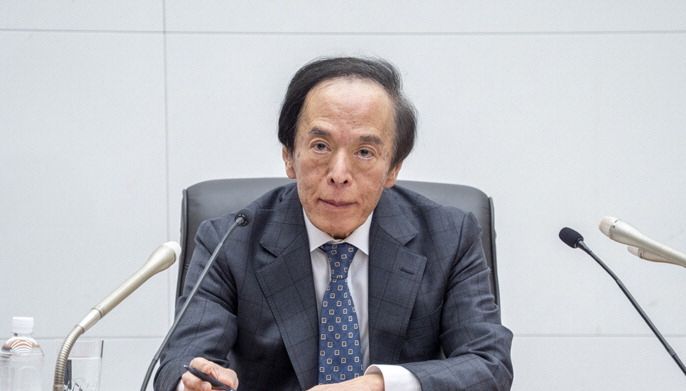 Kazuo Ueda, Governor of the Bank of Japan (BOJ), is speaking at a press conference after announcing the decision to keep the base interest rate unchanged on the 1st. Photo by Reuters Yonhap News
Recently, Japan's Consumer Price Index (CPI) has been rising by around 3% each month. In particular, the price increase rate for everyday items such as food has been especially steep. Despite the government releasing rice from its reserves, the so-called 'Reiwa rice crisis' (shortage) has caused the rice-related CPI to surge by 92.1%. Sushi, a representative dining-out item, rose by 4.7%, electricity rates by 8.7%, and gasoline by 6.0%.
© The Asia Business Daily(www.asiae.co.kr). All rights reserved.


















