Leafy Vegetables Like Lettuce Linked to Colorectal Cancer Outbreak
Rough Surface Texture of Lettuce Makes It Easy for Bacteria to Adhere
There is an analysis suggesting that bacteria found on leafy vegetables such as lettuce may be a cause of the increasing number of young colorectal cancer patients. The surface texture of lettuce makes it easy for bacteria to adhere.
Recently, the Daily Mail reported an announcement from British health authorities stating that the infection rate of a variant of E. coli called STEC (Shiga toxin-producing E. coli), which is commonly found on contaminated lettuce in the UK, has increased nearly tenfold in seven years.
STEC is a variant of E. coli that is more infectious and toxic than other strains, causing fatal damage not only to the colon but also to organs such as the kidneys.
It was also reported that the increase in E. coli infections is believed to be associated with the unexplained rise of colorectal cancer among people under the age of 50.
Experts have analyzed that the increased consumption of lettuce by Britons, through sandwiches and packaged salads, may also be a contributing factor.
According to a research team that included infectious disease expert Professor Paul Hunter of the University of East Anglia, 35 cases of STEC infection related to lettuce were analyzed. Of these, 8 cases were caused by 'poor hygiene practices' during vegetable processing, and 6 cases were linked to animal feces near the cultivation area.
Professor Hunter stated, "Leafy vegetables account for half of E. coli infections, which are one of the potential causes of colorectal cancer."
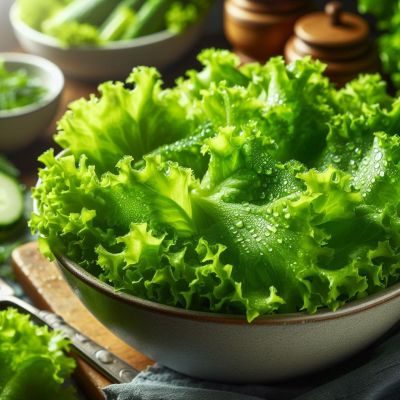
Experts pointed out that lettuce has a rough and wrinkled surface, making it difficult to remove STEC through washing. Furthermore, unlike other vegetables that are peeled or cooked, lettuce is often eaten raw, which increases the risk of infection.
Professor Hunter explained, "If the water used to grow lettuce is contaminated, it remains on the leaves. The wrinkled and highly adhesive surface of lettuce leaves makes it difficult to wash away E. coli." In contrast, vegetables such as cucumbers and bell peppers, although also eaten raw, grow above the ground and are therefore relatively less likely to be contaminated.
To prevent infection, it is recommended to wash lettuce thoroughly under running water at least three times, rubbing and rinsing carefully each time. In addition, soaking lettuce in water mixed with vinegar for one minute and then rinsing, a soaking method, has also been reported to be effective.
© The Asia Business Daily(www.asiae.co.kr). All rights reserved.
![Clutching a Stolen Dior Bag, Saying "I Hate Being Poor but Real"... The Grotesque Con of a "Human Knockoff" [Slate]](https://cwcontent.asiae.co.kr/asiaresize/183/2026021902243444107_1771435474.jpg)















