No Pupil Dilation Response Like Ordinary People
"Due to Bold and Cold-Blooded Attitudes"
"Insensitive Only to Threatening or Fearful Stimuli"
A recent study has found that individuals with psychopathic tendencies do not exhibit pupil dilation responses even when viewing scenes that evoke fear or disgust.
The UK’s Daily Mail recently reported on the results of a joint study conducted by the psychology departments of Cardiff University and Swansea University on 'identifying psychopathic tendencies.' The research team observed the pupil responses of criminals diagnosed as psychopaths and ordinary criminals as they were shown images designed to provoke fear and disgust.
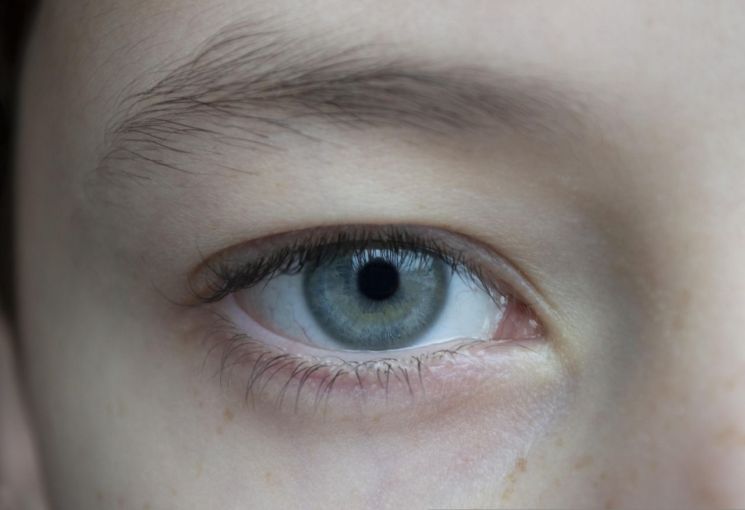
The researchers discovered a clear difference between psychopaths and non-psychopaths. Psychopathic offenders did not experience pupil dilation when viewing disgusting images, whereas ordinary offenders showed a natural enlargement of the pupils.
Dan Burley, a psychologist at Cardiff University who led the study, explained, "The pupils dilate when we are shocked or frightened, but psychopathic offenders display bold and cold-blooded attitudes. Because they lack feelings of fear, they tend to behave even more boldly."
The distinctive eyes of psychopaths, which do not show pupil dilation even in response to shocking scenes, have been referred to as a "psychopathic stare."
However, the pupils of psychopaths do not always remain unresponsive. When viewing positive images, their pupils dilated similarly to those of non-psychopaths. The research team concluded, "Psychopaths are not insensitive to all emotions; rather, they exhibit a lack of response specifically to threatening or fearful stimuli."
They added, "Not all psychopaths are violent or have criminal tendencies. They may appear outwardly charming and calm, and often display remarkable abilities to manipulate others, deriving enjoyment from such behavior. This makes it difficult for ordinary people to easily identify them."
The team also stated, "We hope that this study can be used in the future by correctional institutions and clinical settings to more effectively assess psychopathic tendencies."
Meanwhile, psychopathy is classified as an antisocial personality disorder, characterized by a lack of empathy or guilt, impulsivity, and egocentrism.
© The Asia Business Daily(www.asiae.co.kr). All rights reserved.
![Clutching a Stolen Dior Bag, Saying "I Hate Being Poor but Real"... The Grotesque Con of a "Human Knockoff" [Slate]](https://cwcontent.asiae.co.kr/asiaresize/183/2026021902243444107_1771435474.jpg)
















