Hybrid Eco-Friendly Vehicles Gain Popularity Amid the "EV Chasm"
Four out of ten Hyundai and Kia SUVs sold are hybrids
Hybrid SUV sales nearly double in two years
Santa Fe leads with 77% hybrid purchase rate in Q1
Consumers turn to hybrids as diesel models disappear and EV demand stagnates
Four out of every ten sports utility vehicles (SUVs) sold by Hyundai Motor Company and Kia in the domestic market during the first quarter of this year were hybrids. As the eco-friendly trend in the automotive industry strengthens, it is believed that more consumers are choosing hybrids due to the temporary stagnation in demand for electric vehicles, known as the "EV chasm."
According to Hyundai Motor Group on April 27, a total of 150,492 SUVs from Hyundai and Kia were sold in the domestic market during the first quarter of this year, with hybrid models accounting for 39.5% (59,386 units) of the total.
Sales of Hyundai and Kia's hybrid SUVs in Korea nearly doubled over two years, rising from 117,499 units in 2022 to 244,776 units last year.
The popularity of hybrid SUVs is especially pronounced at Hyundai Motor Company. Although Hyundai's SUV sales share was relatively lower than Kia's, the number of hybrid SUVs sold by Hyundai increased 3.5 times from 26,250 units in 2022 to 92,290 units last year.
Accordingly, the proportion of hybrid SUV models has steadily increased, from 12.3% in 2022 to 24.5% in 2023, and 37.6% last year.
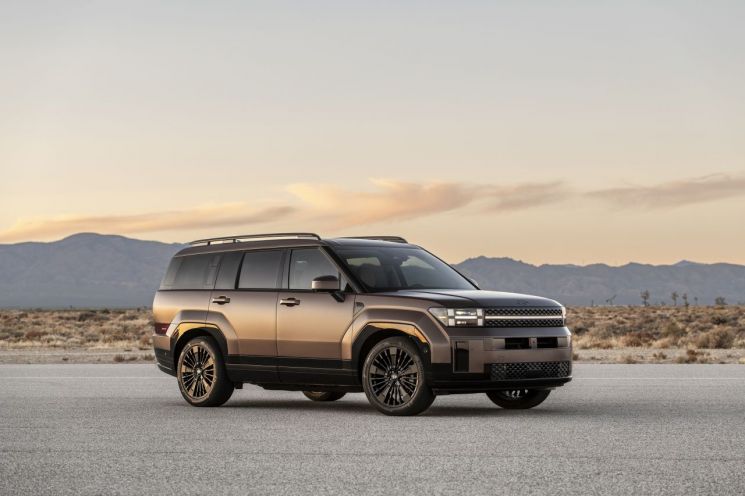
Among these, the Hyundai Santa Fe stands out most prominently for the strength of its hybrid model.
The proportion of hybrid purchases for the Santa Fe rose from 47% in 2022 to 58% in 2023, and further to 72% in 2024. In the first quarter of this year, the figure has remained around 77%.
For the new Palisade, launched in January this year, it is reported that 67% of cumulative contract customers have chosen the hybrid model.
There are various reasons behind the popularity of hybrid SUVs. Hybrid models are replacing diesel models, which were previously mainstream in the SUV market but have now been discontinued. In addition, high fuel prices, eco-friendly policies, and consumers' emphasis on fuel efficiency have also played a role.
Most notably, as the industry shifts toward electrification, the main reason cited is that many consumers who are hesitant to purchase electric vehicles?due to insufficient EV infrastructure and the EV chasm?are instead opting for hybrid vehicles.
© The Asia Business Daily(www.asiae.co.kr). All rights reserved.
![Clutching a Stolen Dior Bag, Saying "I Hate Being Poor but Real"... The Grotesque Con of a "Human Knockoff" [Slate]](https://cwcontent.asiae.co.kr/asiaresize/183/2026021902243444107_1771435474.jpg)















