A Korean research team has, for the first time in the world, identified that an RNA editing enzyme plays a key role in regulating neuroinflammation, which is one of the main causes of Parkinson's disease. Parkinson's disease is a degenerative neurological disorder in which the alpha-synuclein (α-synuclein) protein abnormally aggregates within brain cells, damaging neurons.
KAIST announced on April 27 that a research team led by Professor Min Choi of the Department of Brain and Cognitive Sciences, in collaboration with the UCL Queen Square Institute of Neurology and the Francis Crick Institute in the United Kingdom, has demonstrated that the RNA editing enzyme ADAR1 in astrocytes?glial cells that trigger inflammatory responses to protect the brain?plays a critical role in the pathological progression of Parkinson's disease.
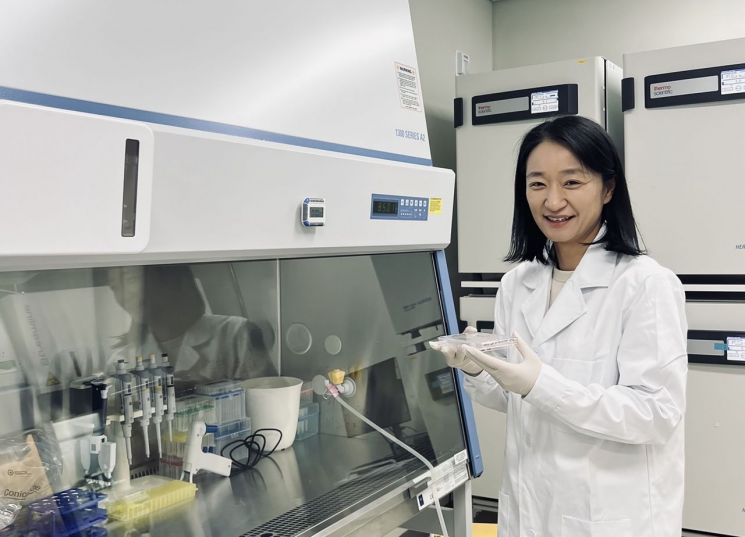
To investigate the inflammatory response of brain immune cells, the research team created a cell model composed of astrocytes and neurons derived from stem cells of Parkinson's disease patients. They then treated the model with alpha-synuclein (α-synuclein) aggregates, known to be a cause of Parkinson's disease, and analyzed how the inflammatory response of brain immune cells changed.
As a result, they found that the early pathological form of alpha-synuclein aggregates, known as alpha-synuclein oligomers, activated the Toll-like receptor pathway?which detects cellular danger within astrocytes?as well as the interferon response pathway, an immune signaling network that combats viruses and pathogens.
They also confirmed that the RNA editing enzyme ADAR1 was expressed and transformed into isoforms, which are variants of the protein with altered functions and structures.
Notably, during this process, the RNA editing activity of ADAR1, which normally regulates immune responses during viral infection, led to a type of genetic command modification known as 'A-to-I RNA editing,' where 'A' (adenosine) is converted to 'I' (inosine).
This means that the RNA editing activity was abnormally concentrated on genes that induce inflammation, rather than under normal conditions.
This phenomenon was observed not only in neurons differentiated from patient-derived stem cells, but also in actual brain autopsy tissues from Parkinson's disease patients. Through this, the research team directly demonstrated that abnormal regulation of RNA editing in astrocytes can induce chronic inflammatory responses, leading to neuronal toxicity and pathological progression.
This study is significant as it is the first to reveal that regulation of RNA editing within astrocytes, a type of neuroimmune cell, is a key mechanism of neuroinflammatory responses. Most notably, it suggests that ADAR1 could serve as a novel target gene for the treatment of Parkinson's disease, drawing attention from the academic community.
Professor Min Choi stated, "This research demonstrates that the regulator of inflammatory responses caused by protein aggregation operates at a new level of RNA editing, which could lead to therapeutic strategies that are completely different from existing approaches to Parkinson's disease. Going forward, RNA editing technology could become an important turning point in the development of therapeutics for neuroinflammation."
This research was supported by the Brain Science Leading Convergence and Excellent Young Researcher Programs of the National Research Foundation of Korea, as well as KAIST's Daegyo Cognitive Enhancement Program. The results, with Professor Min Choi as the first author, were also introduced in Science Advances on April 11.
© The Asia Business Daily(www.asiae.co.kr). All rights reserved.
![Clutching a Stolen Dior Bag, Saying "I Hate Being Poor but Real"... The Grotesque Con of a "Human Knockoff" [Slate]](https://cwcontent.asiae.co.kr/asiaresize/183/2026021902243444107_1771435474.jpg)















