Seed Oils Such as Soybean Oil May Promote Cancer Cell Growth
There are claims that commonly used oils such as sunflower seed oil may increase the risk of various cancers.
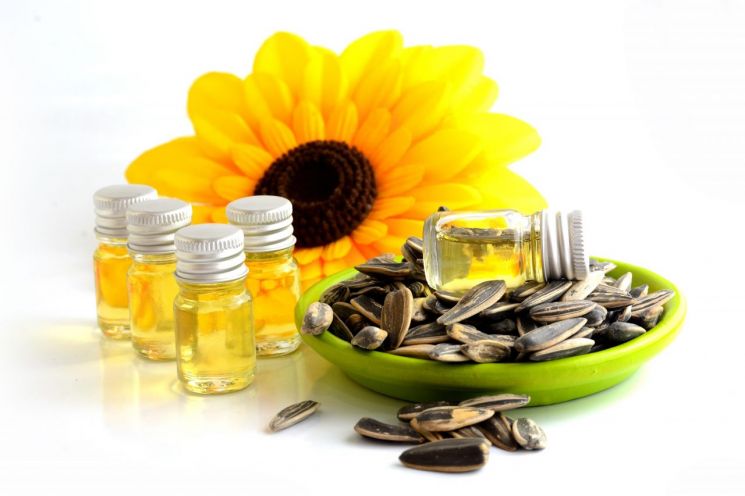
The UK’s Daily Mail recently reported that Justin Stebbing, a renowned British cancer specialist and professor of oncology, has argued that linoleic acid?a fat found in seed oils (including soybean oil, sunflower seed oil, and corn oil) commonly used for frying?can react with heat and potentially promote the growth and proliferation of cancer cells. Professor Stebbing particularly emphasized that individuals at high risk for cancer should limit their intake of seed oils.
In a study published by American scientists in December of last year, it was found that early-stage prostate cancer patients who consumed less food containing seed oils over the course of a year experienced slower cancer growth compared to those who followed a typical Western diet. Another study also found that fats contained in seed oils can promote inflammation, which in turn may damage tissue and make it easier for colon cancer tumors to grow.
According to recent research from Weill Cornell Medicine in New York, linoleic acid was shown to excessively stimulate the control centers of cells, thereby promoting the growth of breast cancer cells. The researchers observed tumor growth in mice with triple-negative breast cancer (TNBC)?a type known for its poor prognosis due to its tendency to metastasize easily to other organs?after feeding them oil rich in linoleic acid. The results showed that mice given linoleic acid-rich oil developed larger tumors than those that did not consume linoleic acid. The researchers also noted that blood samples from patients with triple-negative breast cancer showed high levels of linoleic acid, suggesting a link between linoleic acid and breast cancer in humans as well.
Professor Stebbing explained, "Even at home, it is important to use these oils in moderation, and if you are particularly at high risk for cancer, you should choose oils with lower linoleic acid content, such as olive oil."
However, John Blenis, the lead author of the study, stated, "It has been confirmed that linoleic acid promotes cancer cell growth in a very specific way. This could provide important clues for developing personalized dietary therapies for patients in the future." He added, "However, these findings do not mean that seed oils should be avoided altogether, and they should be interpreted with caution to avoid unnecessary fear. The relationship between linoleic acid and breast cancer is only one piece of the overall puzzle." He also pointed out that increasing the intake of fruits and vegetables as part of a healthy diet is important.
© The Asia Business Daily(www.asiae.co.kr). All rights reserved.
![Clutching a Stolen Dior Bag, Saying "I Hate Being Poor but Real"... The Grotesque Con of a "Human Knockoff" [Slate]](https://cwcontent.asiae.co.kr/asiaresize/183/2026021902243444107_1771435474.jpg)















