Audit Reveals Flaws in Overseas Diplomatic Mission Operations
Issues Found in Visa Screening System and Biometric Data Management
Board of Audit and Inspection Urges Improvements from Foreign Affairs and Justice Ministries
The number of foreign entrants is increasing, but audit results revealed difficulties in verifying whether visa applicants are subject to entry restrictions due to inadequate design of the Integrated Visa Information System used to check entry restriction information. It was also confirmed that visa applicants' biometric information was not properly entered into the passport forgery verification system, causing inconvenience.
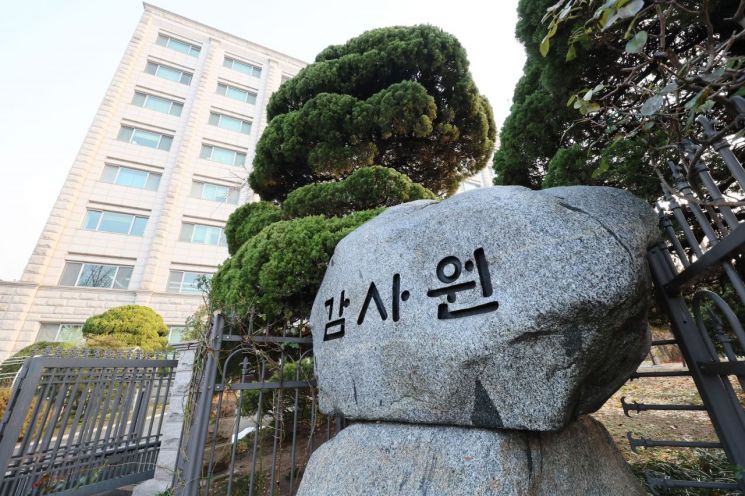
On the 15th, the Board of Audit and Inspection disclosed the results of the 'Audit on the Operation of Overseas Diplomatic Missions' and notified the Ministry of Foreign Affairs and the Ministry of Justice to prepare measures to improve the functions of the visa screening support system.
According to the Board of Audit and Inspection, overseas diplomatic missions receive financial capability proof documents from visa applicants to cover living expenses when issuing general tourist visas, etc., and review them. However, since there is no input and management function related to these documents in the Integrated Visa Information System, visas were issued without verifying accounts suspected of illegal lending.
In particular, in Vietnam, it was revealed that services forging accounts with a certain amount deposited under the name of visa applicants were widespread. Among 515 people illegally staying as of February last year who obtained general tourist visas from the Ho Chi Minh Consulate General in Vietnam, the Board of Audit and Inspection randomly selected 113 people (20%) and found that 19 submitted overlapping accounts. Despite suspicions of illegal account lending and forgery, overseas diplomatic missions failed to verify this and issued visas.
Additionally, in Vietnam, timely birth registration is not conducted, resulting in many visa applicants with similar birth dates and names on their passports. However, due to insufficient input and inquiry functions for national ID numbers in the Integrated Visa Information System, it was difficult to verify whether they were subject to entry restrictions.
Furthermore, overseas diplomatic missions input biometric information such as passport photos into the biometric information system and request analysis from the Ministry of Justice, using the results for screening such as passport forgery verification. It was revealed that this was poorly managed.
As of June last year, 42,431 biometric data entries were missing from a total of 167 missions, yet the Ministry of Foreign Affairs neglected management. From 2021 to June last year, the Ministry of Justice experienced identification errors due to poor photos among biometric data provided by missions for 54,750 people of 169 nationalities, including Nepal, but did not notify the overseas missions of these facts.
Moreover, it was confirmed that the Ministry of Foreign Affairs assigned personnel without accurately considering the visa screening workload per mission. The audit showed that as of 2023, the number of visa screenings per person per day at overseas missions varied greatly, ranging from a minimum of 0.52 cases to a maximum of 517.45 cases depending on the mission.
The Board of Audit and Inspection explained, "We instructed the Ministry of Justice to improve system functions to enable inquiry and management of account details and national ID numbers in the Integrated Visa Information System and to promptly notify the Ministry of Foreign Affairs of biometric identification failures," adding, "We requested the Ministry of Foreign Affairs to prepare management measures for passport readers and to thoroughly manage visa screening tasks to prevent omissions in biometric data entry at overseas missions."
© The Asia Business Daily(www.asiae.co.kr). All rights reserved.

















