Seoul Institute of Public Health and Environment Investigates Nutritional Content of Popular Foods
Some Products Found to Exceed Sugar Labeling Standards
A study investigating the sugar and sodium content of convenience store snacks and beverages frequently consumed by children and adolescents revealed that many products could exceed the daily recommended intake set by the WHO (World Health Organization).
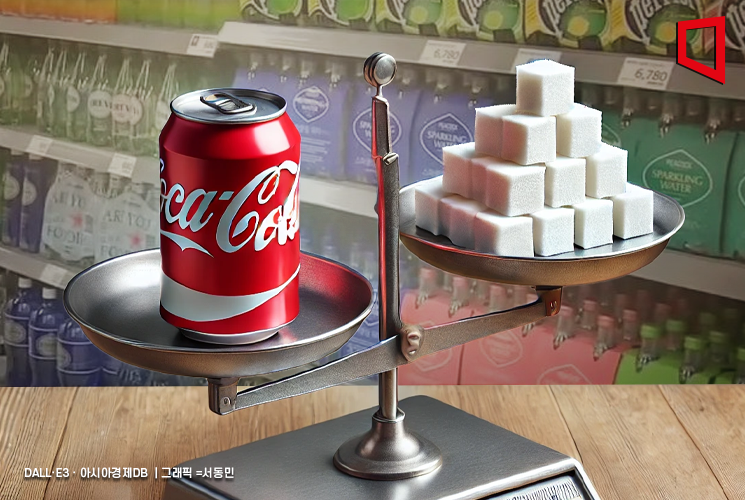
On the 14th, the Seoul Institute of Public Health and Environment announced that the results came from an analysis conducted between October and December last year on the nutritional content of 91 high-consumption food items sold at convenience stores, including beverages, snacks, and meal replacement foods.
Excluding zero-calorie beverages, the average sugar content per serving of beverages was 22g, which accounts for 44% of the WHO's recommended daily sugar intake of 50g. In particular, the average sugar content in one can of carbonated drinks was 32g, equivalent to about 11 sugar cubes, and energy drinks, frequently consumed by adolescents, contained an average of 35g of sugar per can. Drinking just one can of these beverages means consuming 70% of the WHO's recommended daily sugar intake.
The average sugar content per serving of snacks was 20g, with chocolate-containing bread reaching up to 42g. Additionally, the average sodium content per serving of meal replacement foods sold at convenience stores was 685mg (ranging from 310 to 1333mg), with high levels found in ready-to-eat foods such as hamburgers, triangular kimbap, and sausages. The individual food item with the highest sodium content was sausage (1333mg per piece), which is about 67% of the WHO's recommended daily sodium intake of 2000mg.
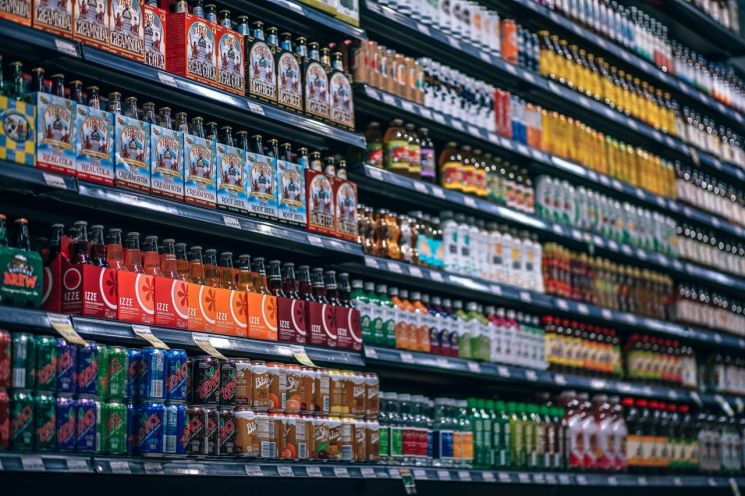
Products exceeding the labeling standards for sugar content were also identified. The institute requested administrative action from the relevant authorities for two candy products, one bread product, and one chocolate processed product that exceeded the labeling standards.
Park Ju-seong, director of the Seoul Institute of Public Health and Environment, stated, "Children and adolescents need to check the nutritional content before consuming food and be cautious not to overconsume sugar and sodium."
© The Asia Business Daily(www.asiae.co.kr). All rights reserved.
![Clutching a Stolen Dior Bag, Saying "I Hate Being Poor but Real"... The Grotesque Con of a "Human Knockoff" [Slate]](https://cwcontent.asiae.co.kr/asiaresize/183/2026021902243444107_1771435474.jpg)

















