Ranked Fourth After Seoul, Busan, and Gyeonggi
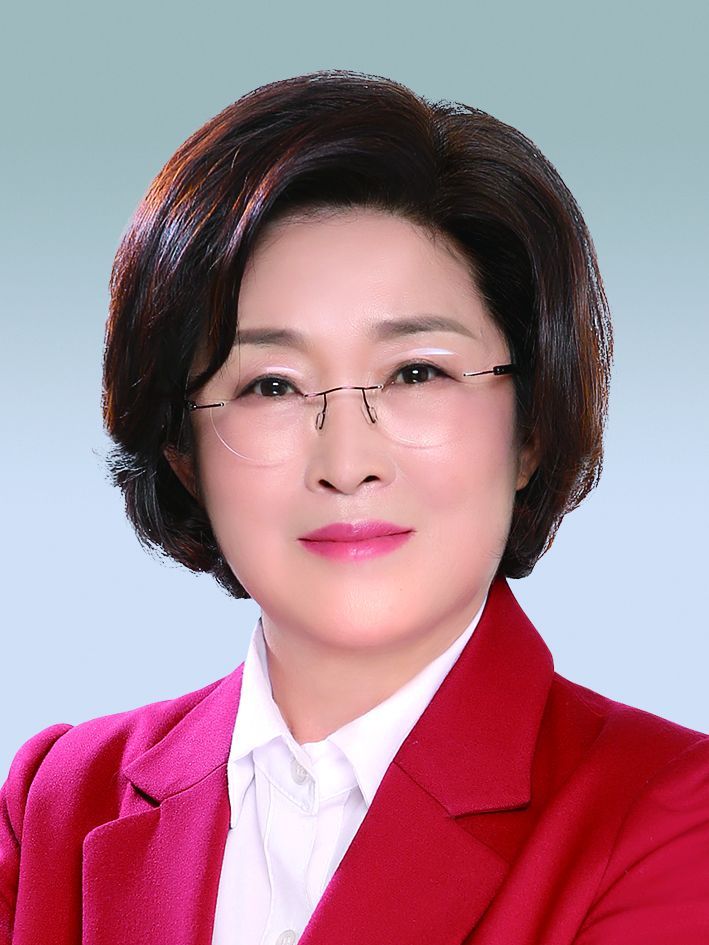
Lee Jaehwa, a member of the Daegu Metropolitan Council (People Power Party, Seogu 2nd District), strongly urged the establishment of fundamental measures to reduce private education expenses and enhance the competitiveness of public education through a written administrative inquiry on the 11th.
Lee Jaehwa stated, "According to the 2024 private education expenditure survey released by the Ministry of Education, the total amount spent on private education nationwide has exceeded 29 trillion won, setting a new record for the fourth consecutive year. In Daegu, the private education participation rate is 81.8%, with an average monthly expenditure of 478,000 won, ranking fourth nationwide after Seoul, Gyeonggi, and Busan." He emphasized, "The solution to the private education problem must be found in strengthening public education."
He also pointed out that while Daegu operates the largest number of IB (International Baccalaureate) schools in the country and is regarded as a leader in public education innovation, there is a lack of connection between IB education and the domestic university entrance system. He stated, "IB classes, which focus on descriptive and essay-based assessments, are fundamentally different in both study methods and evaluation compared to the CSAT, which is mainly multiple-choice."
Additionally, he noted, "The IB DP graduation exam is held over about three weeks in November, which may overlap with the CSAT date or occur just before or after, making it practically impossible to prepare for both exams simultaneously. Furthermore, when applying to domestic universities, students can only apply through the comprehensive student record screening process that does not consider the CSAT minimum requirements, significantly limiting their options and placing a heavy burden on their university admission process."
In response, Lee Jaehwa said, "In a situation where even university admission results are not tracked due to recommendations from the National Human Rights Commission, how can we evaluate the effectiveness of these policies?" He emphasized, "At the very least, basic statistics such as admission rates and types of universities are necessary."
He further pointed out that the project to improve basic academic skills relies solely on quantitative indicators that have not proven causal relationships, and that there is a lack of qualitative performance analysis regarding how much students' basic academic abilities have actually improved.
Lee Jaehwa suggested the establishment of a dedicated organization, stating, "It is difficult to expect policy effectiveness without a dedicated team. Now, measures to reduce private education expenses should also be addressed comprehensively by establishing a dedicated team to handle everything from cause analysis and policy planning to monitoring."
© The Asia Business Daily(www.asiae.co.kr). All rights reserved.
![Clutching a Stolen Dior Bag, Saying "I Hate Being Poor but Real"... The Grotesque Con of a "Human Knockoff" [Slate]](https://cwcontent.asiae.co.kr/asiaresize/183/2026021902243444107_1771435474.jpg)















