Increased Activity in Brain Regions Regulating Hunger
A study has revealed that artificial sweeteners, which have little or no calories and are used as sugar substitutes, cause more hunger than sugar.
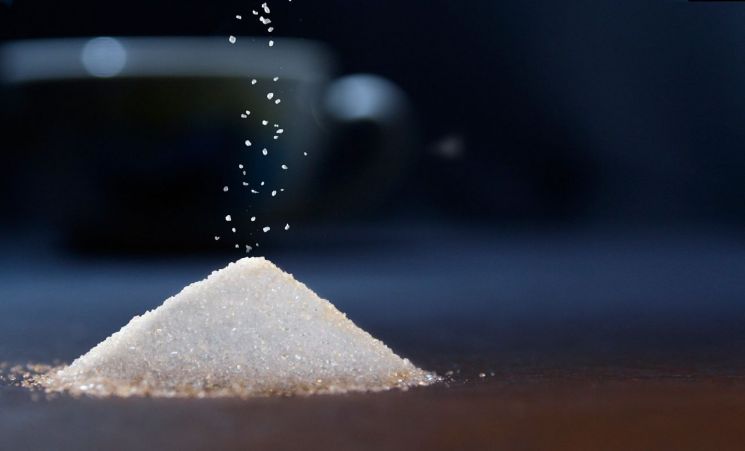
On the 4th (local time), foreign media including CNN in the United States reported that researchers from the University of Southern California recently published a study in the international academic journal Nature Metabolism, showing that the zero-calorie sweetener sucralose, a sugar substitute, increases activity in the hypothalamus, the brain region that regulates appetite.
The researchers observed the responses of 75 adults aged 18 to 35 after drinking water, sucralose beverage, and sugar beverage respectively. Participants underwent functional magnetic resonance imaging (fMRI) and blood tests before and after consuming each beverage. The results showed that compared to drinking the sugar beverage, drinking the sucralose beverage increased hypothalamic activity related to hunger and metabolism regulation, and also increased feelings of hunger. This effect was especially pronounced in obese individuals.
When drinking sugar beverages, blood glucose levels rise, and the body secretes insulin and glucagon-like peptide-1 (GLP-1). These hormones send signals to the brain indicating "enough food has been consumed." However, sucralose beverages did not raise blood glucose levels nor increase insulin or GLP-1 hormones, leading to these results.
Co-author of the study, Dr. Kathleen Alana Page, explained, "The body uses these hormones to inform the brain that calories have been ingested, reducing hunger, but sucralose did not have this effect." She added, "The body expects calories because of the sweetness, but if the expected calories are not received, over time the brain may crave the substance more." She further noted, "The difference in hormonal response to sucralose was much more pronounced in obese participants."
The study also found that consuming sucralose increased connectivity between the hypothalamus and brain regions involved in motivation, sensory processing, and decision-making. Therefore, it is presumed that sucralose intake may influence cravings and eating habits. Dr. Page pointed out, "We do not recommend replacing sugar with zero-calorie sweeteners. Sugar substitutes may cause greater cravings over time." She emphasized, "People should stop consuming all added sweeteners and focus on sugars naturally found in fruits and vegetables."
© The Asia Business Daily(www.asiae.co.kr). All rights reserved.
![Clutching a Stolen Dior Bag, Saying "I Hate Being Poor but Real"... The Grotesque Con of a "Human Knockoff" [Slate]](https://cwcontent.asiae.co.kr/asiaresize/183/2026021902243444107_1771435474.jpg)















