An Increase of 537.3 Billion Won Compared to the Original Budget
Totaling 13.0809 Trillion Won
Focused on Economic Recovery
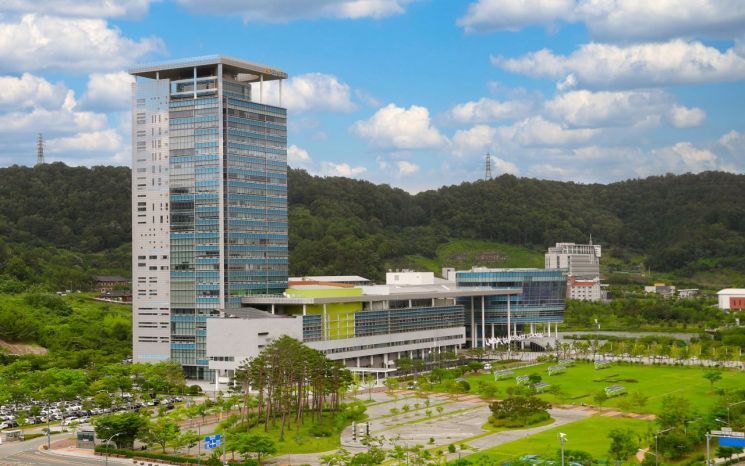
Jeollanam-do has submitted the 2025 first supplementary budget proposal to the Jeollanam-do Provincial Council, moving up the schedule from the originally planned May to June, in order to stabilize livelihoods and restore the local economy amid national emergencies and difficult economic conditions.
This supplementary budget proposal amounts to 13.0809 trillion won, an increase of 537.3 billion won (4.3%) compared to the original budget of 12.5436 trillion won. The general account increased by 431 billion won (4.3%) to 10.3932 trillion won, the special account increased by 30.6 billion won (2.7%) to 1.1692 trillion won, and the funds increased by 75.7 billion won (5.2%) to 1.5185 trillion won.
Jeollanam-do is making focused investments in livelihood economic recovery and proactive responses to the risk of population decline, aiming to alleviate economic difficulties for residents and respond preemptively to the crisis of local extinction as neighborhood businesses collapse and the local economy faces urgent challenges.
Key focus projects for economic recovery include the “333 Project” (expanding to 3,000 venture and startup companies, 300 companies with annual sales of over 10 billion won, and 30 listed companies by 2034) to revitalize small and medium-sized businesses, self-employed individuals, and foster venture/startup growth, which are the core of the local economy.
An additional 200 million won will be allocated to the “Support Project for Guarantee Fees for Small Businesses” (originally 300 million won) to help stabilize management and strengthen the self-sufficiency of small and medium-sized businesses and self-employed individuals.
The “Jeonnam-style Youth Startup Academy,” which will provide 1 million won per month for technology development and business expenses to 150 young entrepreneurs, will receive a new allocation of 1 billion won. The “Jeonnam Future Innovation Industry Fund” will be increased by 2.2 billion won (originally 2.8 billion won) to help local companies enter global markets and revitalize local investment.
To strengthen the competitiveness of key industries such as petrochemicals and steel, which are struggling due to U.S. tariff policies and changes in the global trade environment, new allocations include 500 million won for the “Steel Company Competitiveness Enhancement Support Project,” 100 million won for the “Yeosu Petrochemical Employment Stability Support Project,” and 100 million won for the “Support Project for Companies Damaged by U.S. Export Restrictions.”
To stimulate local consumption and revitalize the local economy, the budget for the “2026 Yeosu World Island Expo” will be increased by 2.9 billion won (originally 6.8 billion won), and the “2025 Namdo International Gastronomy Industry Expo” by 800 million won (originally 3.7 billion won) to support successful hosting. Local events and festivals will also be expanded, including 550 million won for the “Jeonnam Garden Festival,” 100 million won for the “Korea Volleyball Federation Cup Pro Volleyball Tournament,” and 100 million won for the “International Triathlon Competition.”
For vulnerable groups, additional allocations include 100 million won (originally 2.2 billion won) for “Free Meals for Low-Income Seniors,” 240 million won (originally 3 billion won) for “Expanded Support for Dementia Treatment Management,” 240 million won (originally 1.9 billion won) for “1,000 Won Ferry Fare Support for Island Residents,” and 500 million won (originally 7.7 billion won) for “Low-Floor Bus Introduction Support for Transportation-Disadvantaged,” ensuring uninterrupted support.
To revive the struggling local construction industry amid rising construction material costs and economic downturn, public construction investment will be expanded. In order to provide transportation convenience for residents and ensure stable water system management, increased allocations include 18 billion won (originally 110 billion won) for “Local Road Maintenance Projects,” 7.6 billion won (originally 39.5 billion won) for “Maintenance of Old Local Roads and Bridges,” and 11 billion won (originally 104.4 billion won) for “Local River Maintenance and Restoration Projects,” aiming for timely completion of ongoing construction and rapid commencement of new projects.
Major focus projects for responding to the population crisis and preventing local extinction include promoting inflow of resident population and helping young people settle stably in the region. The budget for the “Jeonnam-style Ten-Thousand-Won Housing” will be increased by 9 billion won (originally 15 billion won), and the “Youth Rural Housing Project” by 2 billion won (originally 1.8 billion won). An additional 7.5 billion won (originally 7.5 billion won) will be allocated for the establishment of the “Jeonnam Youth Vision Center” to build an integrated support system for youth.
To curb the outflow of young people to the Seoul metropolitan area and foster talent tailored to industrial demand, additional allocations include 7.5 billion won (originally 61 billion won) for the “Regional Innovation-Centered University Support System (RISE) Project” and 1.5 billion won (originally 15 billion won) for the “Glocal University Intensive Support Project.”
To create an environment conducive to childbirth and child-rearing, a new allocation of 200 million won will be provided for the “Grandparent Grandchild Care Support Project,” which supports grandparents caring for grandchildren with 300,000 won per month. An additional 150 million won will be allocated to the “Daycare Center Forest Experience Project,” previously supported only for government-supported daycare center children, to expand benefits to children in private and home daycare centers as well.
Yoon Jin-ho, Director of Planning and Coordination for Jeollanam-do, stated, “We have made livelihood stabilization the highest priority of provincial administration and implemented emergency measures worth 118.5 billion won at the end of last year. As this supplementary budget was also advanced out of urgent concern for livelihoods, we will do our utmost to achieve tangible economic recovery results that residents can feel.”
© The Asia Business Daily(www.asiae.co.kr). All rights reserved.
![Clutching a Stolen Dior Bag, Saying "I Hate Being Poor but Real"... The Grotesque Con of a "Human Knockoff" [Slate]](https://cwcontent.asiae.co.kr/asiaresize/183/2026021902243444107_1771435474.jpg)















