Seeking Win-Win Solutions for Farmers and Workers
Flexible Wage Management Expected
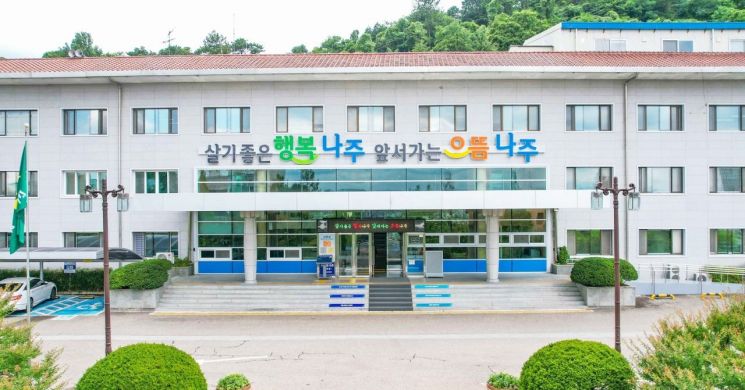
Naju City, Jeollanam-do recently announced that it held the "2025 Rural Labor Wage Deliberation Committee" and set the standard daily wage for rural workers at 110,000 won (for simple labor, based on 8 hours) on the 3rd.
The Rural Labor Wage Deliberation Committee is an organization established under the Naju City Ordinance on the Operation of Appropriate Rural Labor Wages enacted in August 2023, and it discusses rural labor policies and wage adjustments every year.
The committee consists of a total of 11 members, including Vice Mayor of Naju City Ahn Sanghyun as chairman, Naju City Council members, representatives from the Rural Labor Brokerage Center, agricultural organizations, labor agency representatives, and labor experts.
During the meeting, the committee comprehensively considered rural labor wage trends, inflation rates, and the need to improve working conditions, and also discussed appropriate wage standards and the issue of illegal employment of foreign workers.
This year's decision remains at the same level as last year, and when first implemented last year, it helped curb the rise in rural labor wages, receiving positive responses from farmers. Accordingly, the consensus was that maintaining the same standard this year is appropriate.
In particular, depending on the difficulty of farm work, farmers are encouraged to autonomously adjust wages, which promotes cooperation between workers and farmers, reflects realistic compensation, and aims to improve agricultural productivity.
Vice Mayor of Naju City Ahn Sanghyun said, "In order to ensure the stable development and sustainability of our rural areas, it is necessary for farmers and workers to reach a consensus on the appropriate wage standard," adding, "We will continue to actively create an environment where farmers and workers can coexist and work together to solve rural labor issues."
Meanwhile, Naju City is actively promoting the introduction of foreign seasonal workers to address rural labor shortages. The goal for this year is 800 workers, with 660 of them to be deployed in the first half of the year, when the farming season is concentrated, to alleviate labor shortages during peak periods.
© The Asia Business Daily(www.asiae.co.kr). All rights reserved.
![Clutching a Stolen Dior Bag, Saying "I Hate Being Poor but Real"... The Grotesque Con of a "Human Knockoff" [Slate]](https://cwcontent.asiae.co.kr/asiaresize/183/2026021902243444107_1771435474.jpg)















