If U.S. Tariffs Become Reality, Concerns Rise Over "Deterioration of Contract Terms"
and "Disruptions in Parts and Raw Material Supply Chains"
The Changwon Chamber of Commerce and Industry in Gyeongnam conducted a survey titled "Impact of U.S. Tariff Policy on Local Companies" targeting manufacturing companies in the Changwon area and announced the results.
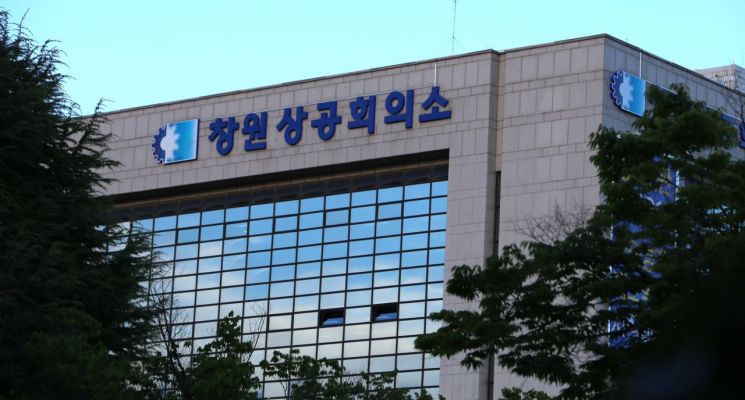
This survey was carried out to monitor the changes caused by the tariff policies of the Trump administration in the United States on companies in the Changwon area, with 131 companies responding.
According to the survey results, 75.5% of responding companies stated that they are directly or indirectly affected by U.S. tariff policies. Specifically, 51.1% answered that they are "under indirect influence," 22.9% are "under direct influence," and 1.5% responded that there is a "possibility of benefiting from side effects." On the other hand, 24.4% of companies stated that they are "unaffected by U.S. tariff policies."
In terms of specific tariff impacts, "supplying parts and raw materials to companies exporting to the U.S." (30.3%) was the most common, followed by "exporting parts and raw materials to the U.S." (18.2%), "direct export of finished goods to the U.S." (16.2%), and "exporting parts and raw materials to China" (11.1%).
The policy that Changwon area companies expect to be most affected by among the Trump administration's tariff policies is "imposing a 25% tariff on all automobiles, semiconductors, and pharmaceuticals imported into the U.S." (38.9%), followed by "an additional 25% tariff on steel and aluminum products imported into the U.S." (31.0%), and "an additional 10% tariff on Chinese imports and withdrawal of minimum tariff exemptions" (20.6%).
In addition, the most concerning issues if the tariff policies become a reality were "deterioration of contract terms with clients and distribution networks" (29.1%), "adjustment of parts and raw materials procurement networks" (25.5%), "additional cost burdens such as relocation of production bases" and "reduced company sales due to indirect effects" (each 14.9%).
However, it was found that manufacturing companies in the Changwon area are insufficiently prepared to respond to future Trump tariff policies. Of all companies, 43.4% are "still monitoring trends," 29.3% are "seeking their own countermeasures such as cost reduction," 21.2% have "no response plan," and 6.1% are "seeking fundamental tariff avoidance measures such as local production and market diversification."
A representative of the Changwon Chamber of Commerce and Industry stated, "Most companies in the Changwon area are within the direct or indirect influence of U.S. tariff policies, raising concerns about practical management risks," and emphasized, "A close information-sharing channel between diplomatic and trade authorities and companies must be established."
© The Asia Business Daily(www.asiae.co.kr). All rights reserved.
![Clutching a Stolen Dior Bag, Saying "I Hate Being Poor but Real"... The Grotesque Con of a "Human Knockoff" [Slate]](https://cwcontent.asiae.co.kr/asiaresize/183/2026021902243444107_1771435474.jpg)















