Conflict with Health Secretary Robert Kennedy
"Kennedy Only Demands Obedience to His Lies"
The top official in the vaccine division of the U.S. Food and Drug Administration (FDA) was forcibly removed after conflicts with Robert Kennedy Jr., the U.S. Department of Health and Human Services (HHS) Secretary.
On the 28th (local time), the Wall Street Journal (WSJ) cited multiple sources reporting that Peter Marks, director of the FDA's Center for Biologics Evaluation and Research (CBER), was notified by HHS officials that he would be fired if he did not resign, leading him to submit his resignation letter.
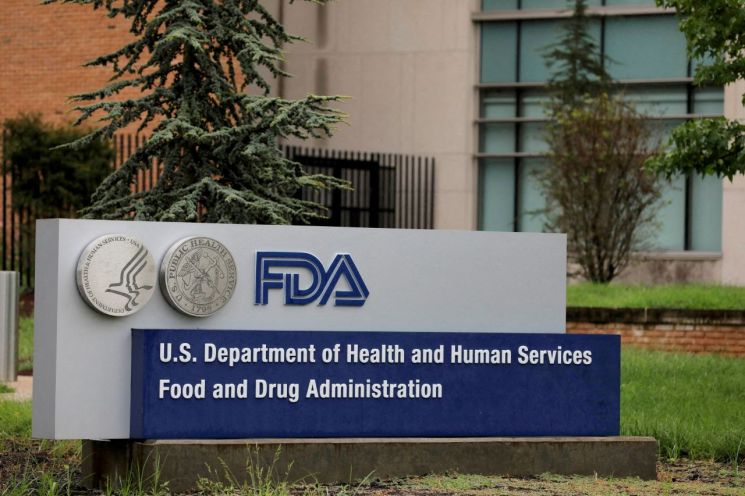
Marks joined the FDA in 2012 and has served as the director of CBER since 2016, overseeing vaccine and biologics regulation. He also played a crucial role during the COVID-19 pandemic in accelerating vaccine development and approval processes by streamlining regulations and securing government funding.
The background of Marks' resignation involves conflicts with Secretary Kennedy, a vaccine conspiracy theorist. While Marks actively supported vaccination, Kennedy has long been an extreme vaccine skeptic, distrusting vaccine safety and efficacy.
In his resignation letter, Marks strongly criticized Kennedy, stating, "(Secretary Kennedy) does not seek truth and transparency, but only demands obedience to his misinformation and lies." He added, "My hope is that within the next few years, this unprecedented attack on scientific truth, which has adversely affected American public health, will come to an end." The letter was submitted to Sarah Brenner, acting director of the FDA.
Meanwhile, the U.S. Department of Health is pushing for a major reorganization, including cutting 10,000 employees and closing some departments. It is also reportedly preparing to suspend vaccine contracts temporarily and replace committee members responsible for determining vaccination schedules and recommended vaccines. Secretary Kennedy has previously promoted vaccine-related conspiracy theories, such as claiming vaccines cause autism, and recently caused controversy again over measles outbreaks in Texas and New Mexico. Initially, he downplayed the outbreak as "no big deal," but after the situation worsened, he changed his stance to prioritize it as a response issue. However, he still maintains the position that "vaccination is a matter of personal choice."
© The Asia Business Daily(www.asiae.co.kr). All rights reserved.
![Clutching a Stolen Dior Bag, Saying "I Hate Being Poor but Real"... The Grotesque Con of a "Human Knockoff" [Slate]](https://cwcontent.asiae.co.kr/asiaresize/183/2026021902243444107_1771435474.jpg)















