Gwangju Chamber of Commerce Surveys 100 Local Export Companies
Concerns Over Sales Decline Due to Decreased Market Competitiveness
"FTA Center Should Support Export and Import Customs Clearance Issues"
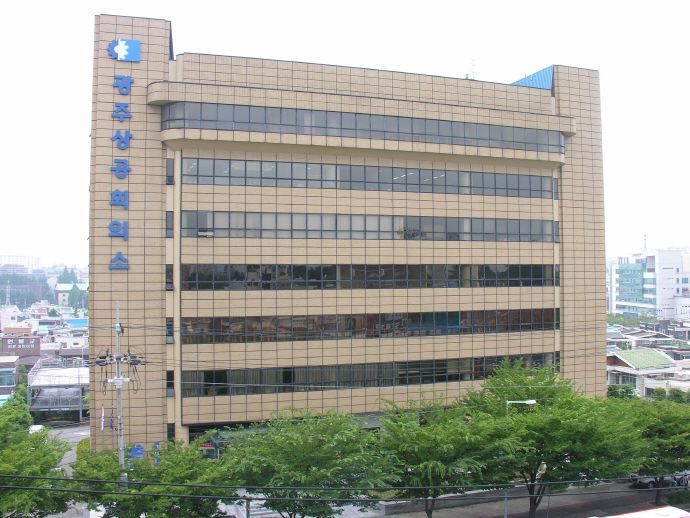
More than 8 out of 10 export companies in Gwangju are concerned about negative impacts from the tariff policies of the second Trump administration.
The Gwangju Chamber of Commerce and Industry, through its Gwangju FTA Trade Promotion Center (hereinafter referred to as the FTA Center), recently conducted a survey titled "Survey on the Impact of the Second Trump Administration's Tariff Policies on Local Export Companies and Opinions on Support Policies" targeting 100 local export companies to assess the impact of the Trump administration's tariff policies and gather opinions on various support measures.
88% of responding companies expressed concern that they would be negatively affected if tariffs were to be fully implemented, while only 12.0% responded that there would be no impact or that the impact would be positive.
Among companies anticipating negative effects, the most cited concern was a decrease in sales due to reduced market competitiveness (73.3%). Other concerns included ▲deterioration of trade conditions with domestic and overseas partners (35.6%) ▲decrease in orders due to local production relocation or expansion by domestic primary contractors (23.3%) ▲change of business partners by overseas clients (14.4%), in that order.
When asked which tariff policies would have the greatest impact, 36.2% of companies cited the 25% tariff on automobiles, semiconductors, and pharmaceuticals as the most significant. This was followed by ▲the 10% additional tariff on Chinese imports and the removal of small-amount duty-free benefits (30.9%) ▲the 25% additional tariff on steel and aluminum products (24.5%) ▲and the 25% tariff on products from Canada and Mexico (10.6%).
As for countermeasures, 55.0% of local export companies responded that they are "still monitoring the situation." This was followed by ▲cost reduction and austerity management (21.0%) ▲exploring alternative markets (7.0%) ▲increasing the share of domestic sales (6.0%) ▲and developing high value-added products (4.0%).
Regarding the support measures they hope to receive from the FTA Center to overcome difficulties caused by the tariff policies, "support for export and import customs clearance issues (39.2%)" was the most requested. Other desired measures included ▲consulting on utilizing Korea-US FTA tariff benefits (36.1%) ▲exploring and providing information on emerging promising markets (24.7%) ▲and training to respond to the second Trump administration's tariff policies (21.6%).
A representative from the Gwangju FTA Trade Promotion Center stated, "Due to trade uncertainties caused by the second Trump administration's tariff policies, there are concerns about weakening export competitiveness and increased management burdens for local export companies," and added, "We will strive to provide practical solutions, including support for customs clearance issues, FTA utilization consulting, and education and information to diversify export markets, to help companies minimize damages from tariffs."
© The Asia Business Daily(www.asiae.co.kr). All rights reserved.
![Clutching a Stolen Dior Bag, Saying "I Hate Being Poor but Real"... The Grotesque Con of a "Human Knockoff" [Slate]](https://cwcontent.asiae.co.kr/asiaresize/183/2026021902243444107_1771435474.jpg)















