Detached Houses Allowed for Non-Farmers in Rural Areas
Factory Area Restrictions Eased, Village Environments to Be Improved
In the future, it is expected that even those who are not engaged in farming or fishing will be able to build detached houses in rural areas. Additionally, restrictions on factory area will be eased, and inconvenient village environments will be systemically improved.
On the 27th, the Ministry of Land, Infrastructure and Transport announced that it will publicly notify the amendment to the Enforcement Decree of the "National Land Planning and Utilization Act" containing these details. The period will be 40 days from the 28th until May 7. The Ministry prepared this amendment reflecting regulatory innovation tasks and rural development measures that have been promoted so far.
First, building detached houses in forest and agricultural areas, which had been allowed only for farmers and fishermen, will now be possible for the general public as well. Until now, only farmers and fishermen could build houses, but in the future, detached houses can be built if conditions are met. The Ministry explained that rural life will become more convenient and population inflow effects are expected. However, protected mountainous areas and agricultural promotion areas are excluded from this regulatory relaxation.
The building coverage ratio in agricultural and industrial complexes will also be eased. Currently, the building area is allowed up to 70% of the total site. Now, if infrastructure is sufficient, it can be increased up to 80%. This will allow more efficient use of factories and other industrial facilities, which is expected to have a positive impact on the local economy and jobs.
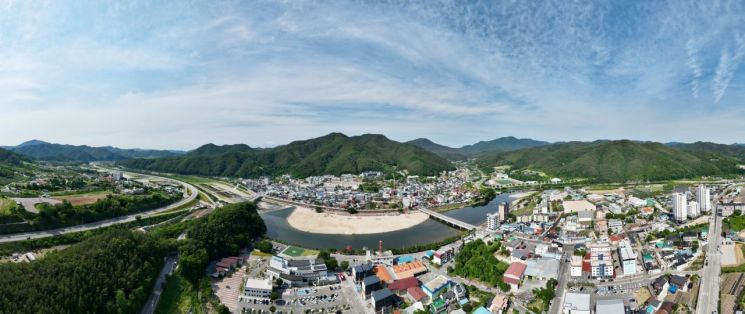
A new "Protected Settlement District" will be established in villages with poor living conditions. For rural villages where residential areas, livestock barns, and factories are mixed, facilities that harm the residential environment will be restricted, and necessary experience centers or rest facilities for the village will be allowed to improve the environment.
Many existing regulations will also be revised. Regulations on development activities and earth and stone excavation will be eased, allowing construction without separate permits when simply maintaining or repairing existing facilities. As long as the land shape is not changed, procedures will be reduced, and construction periods and cost burdens will be lessened.
To stabilize aggregate supply and construction costs, standards for earth and stone excavation will also be relaxed. Until now, approval from the local government’s urban planning committee was required, but some standards will be eased and applied going forward.
The procedure for changing growth management plans will also be simplified. The process of collecting residents' opinions redundantly will be omitted. Residents' opinions will be collected again only when major content changes occur.
Lee Sang-ju, Director of the National Land and Urban Office at the Ministry of Land, Infrastructure and Transport, said, "The goal of this amendment is to restore economic vitality and improve the residential environment in rural and non-urban areas," adding, "We will reflect various opinions submitted during the public notice period and ensure that the amendment is implemented within the first half of the year."
© The Asia Business Daily(www.asiae.co.kr). All rights reserved.
![Clutching a Stolen Dior Bag, Saying "I Hate Being Poor but Real"... The Grotesque Con of a "Human Knockoff" [Slate]](https://cwcontent.asiae.co.kr/asiaresize/183/2026021902243444107_1771435474.jpg)















