Expansion of "Carbon Tax" Announced
EU Considers Introducing Aluminum Safeguard
The European Union (EU) plans to reduce steel imports by up to 15% starting next month in response to the United States' high tariffs on steel and aluminum, which is expected to impact South Korea as well.
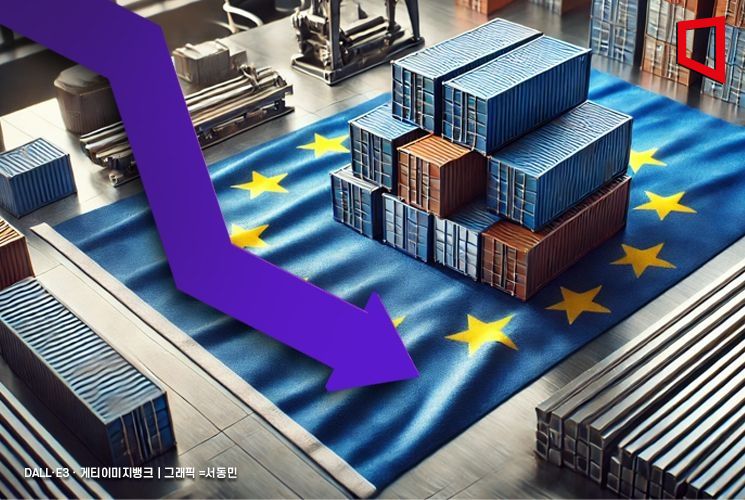
Stefan Sejurne, the EU's Executive Vice President for Prosperity and Industrial Strategy, held a press conference in Brussels, Belgium, on the 19th (local time) to announce the 'Steel and Metal Industry Action Plan.' Vice President Sejurne explained that the goal of this measure is to reduce import volumes by up to 15%.
The plan includes measures that the European Commission, the EU's executive body, intends to implement to protect the industry based on consultations with the domestic steel sector. According to the plan, starting from the 1st of next month, the import volumes allocated under the currently enforced steel safeguard (emergency import restrictions) will be reduced.
The EU imports steel at low or zero tariffs up to the quota levels designated for each country, but imposes a 25% tariff on volumes exceeding those quotas. However, the domestic industry has long argued that the import allowances under the safeguard should be further reduced. This demand has been reflected in the current plan.
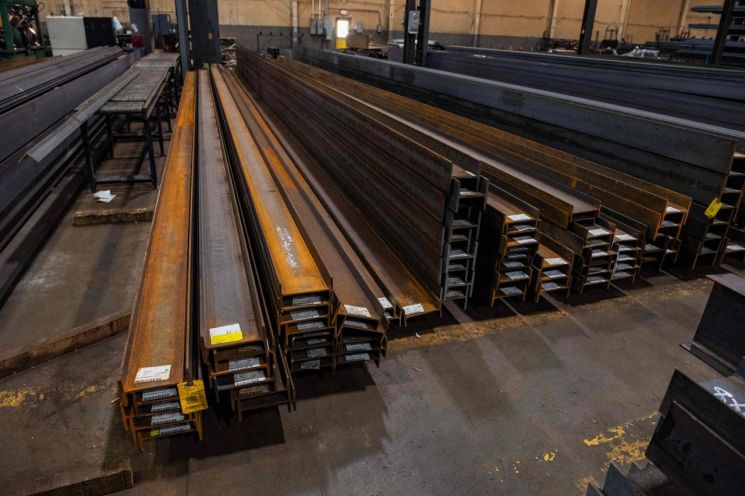
As of last year, South Korea ranked third among all steel import countries to the EU. Industry insiders expect that among various steel products, hot-rolled steel and plywood, which are South Korea's main export items, will be most affected.
Although the EU's steel safeguard measures are set to expire on June 30, 2026, according to World Trade Organization (WTO) regulations, the European Commission plans to continue restricting import volumes. The Commission explained that it will prepare new protectionist trade measures to replace the safeguard and announce them around the third quarter of this year. This is considering that there is no guarantee that the tariff dispute with the U.S. will be resolved before the safeguard ends, and that third-country products seeking to avoid U.S. tariffs could flood into the EU. Additionally, the possibility of introducing a new safeguard specifically for aluminum products in the future remains open.
The scope of the Carbon Border Adjustment Mechanism (CBAM), commonly referred to as the 'carbon tax,' will also be expanded. This measure is likely to affect South Korea's related product exports as well. The Commission announced, "We will propose legislation in the fourth quarter of this year to expand the scope of CBAM to include downstream steel and aluminum products."
CBAM is a system that calculates estimated carbon emissions produced during the manufacturing process of six product categories?cement, electricity, fertilizer, steel, aluminum, and hydrogen?that are produced outside the EU and imported into the EU, and imposes a kind of tax accordingly. Until the end of this year, only carbon emission reporting obligations are required, but starting next year, importers must purchase and submit CBAM certificates corresponding to the excess emissions.
© The Asia Business Daily(www.asiae.co.kr). All rights reserved.
![Clutching a Stolen Dior Bag, Saying "I Hate Being Poor but Real"... The Grotesque Con of a "Human Knockoff" [Slate]](https://cwcontent.asiae.co.kr/asiaresize/183/2026021902243444107_1771435474.jpg)
















