Love Hotels Flourished Since the 1960s in Japan
Converted into Funeral Halls Amid Low Birth Rate and Aging Population
Negative Reactions: "I Wouldn't Want a Funeral in a Former Love Hotel"
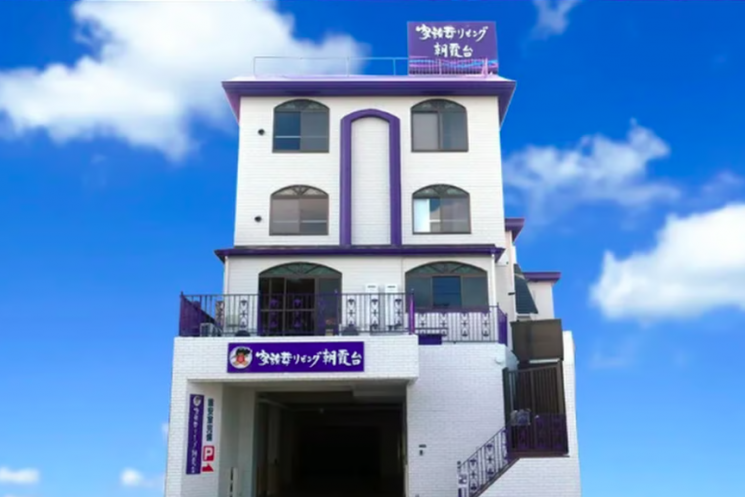
The 'love hotels' that were once widespread throughout Japan are recently being converted into funeral halls due to low birth rates and an aging population.
On the 19th (local time), Hong Kong's South China Morning Post (SCMP) reported that a love hotel in Saitama Prefecture, eastern Japan, was converted into a funeral hall last month.
Love hotels were originally regarded as substitute facilities for brothels after the Japanese government outlawed prostitution in the 1960s. However, their perception shifted to lodging facilities used by couples or spouses living in shared housing for private time and privacy, rapidly growing during Japan's bubble economy in the 1980s. In particular, Japan's love hotels gained great popularity not only for their anonymity and short-term rentals but also for their unique themes and interior designs.
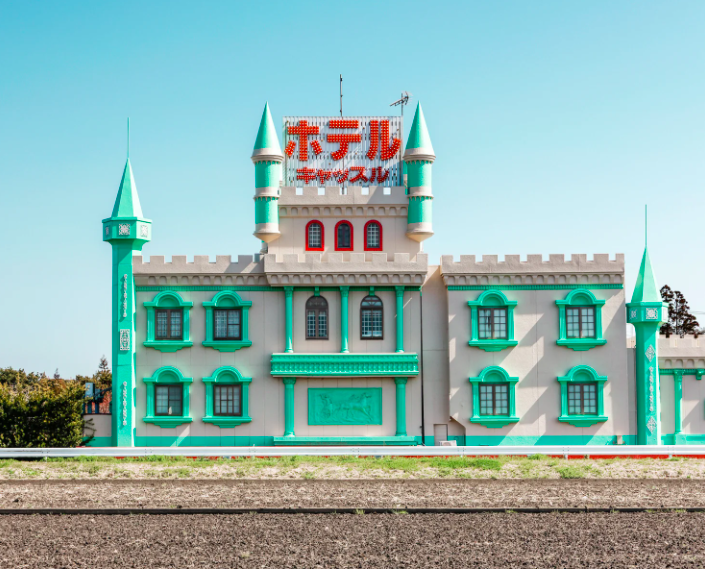
Many rooms are decorated with lavish interiors and various concepts such as movies, animation, and fantasy. There are diverse types including candy shops, palaces, and boats. Additionally, facilities like music systems, game consoles, and large bathtubs were provided, making them leisure spaces as well. Along with the popularity of love hotels, Japan's annual birth count exceeded 2 million during the so-called 'second baby boom' era from 1971 to 1974.
However, recently, love hotels are being converted into funeral halls due to population decline and aging. A love hotel in Saitama Prefecture was remodeled into a solemn white space as it became a funeral hall. SCMP reported, "The decorations themed around spaceships and wonderlands were famous, but now the place exudes an atmosphere as if one has arrived in heaven."
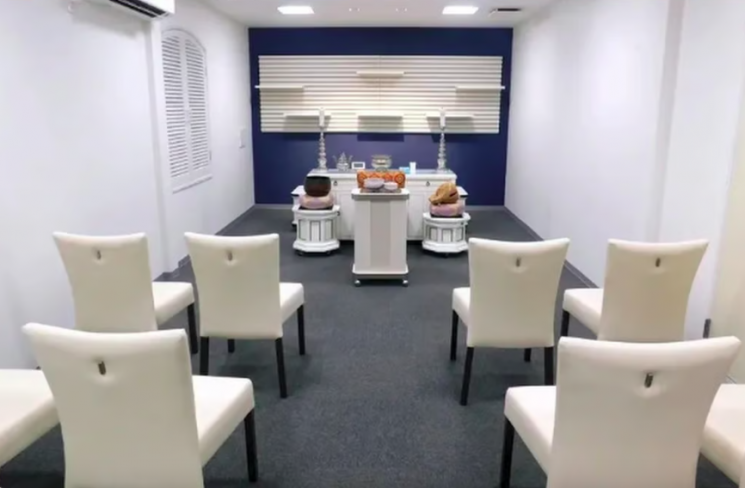
Local netizens who heard the news expressed various opinions. One netizen commented, "Maybe life can start and end in the same place," adding, "'From the real cradle to the grave.'" Another netizen showed a negative reaction, saying, "I wouldn't want to hold a funeral in a place that used to be a love hotel." Other comments included, "Low birth rates must really be serious," "Business must have been so bad to come to this," "It has to be done this way," and "Population decline is irreversible."
According to Japan's Ministry of Health, Labour and Welfare, Japan's birth rate has steadily declined since 2015, reaching a record low of 720,988 in 2024, a 5% decrease from the previous year. Meanwhile, aging is progressing rapidly. The Ministry of Internal Affairs and Communications announced that as of September last year, Japan's elderly population reached a record high of 36.25 million, with those aged 65 and older accounting for 29.3% of the total population. It is also predicted that by 2040, the elderly population will make up 34.8% of the total population.
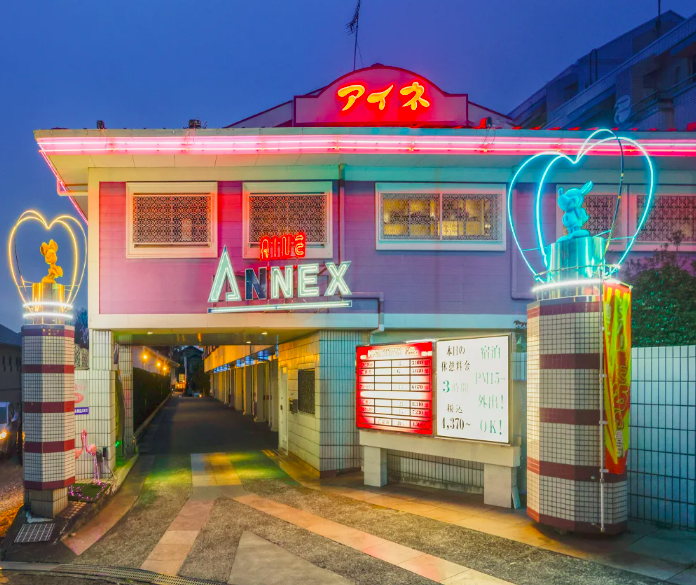
Along with this, the number of love hotels is rapidly decreasing. According to statistics released by the Japanese National Police Agency, the number of registered love hotels dropped from 5,670 in 2016 to 5,183 in 2020.
© The Asia Business Daily(www.asiae.co.kr). All rights reserved.
![Clutching a Stolen Dior Bag, Saying "I Hate Being Poor but Real"... The Grotesque Con of a "Human Knockoff" [Slate]](https://cwcontent.asiae.co.kr/asiaresize/183/2026021902243444107_1771435474.jpg)

















