Ranked First in Number of Closed Days: Tsuu Matsubishi Department Store
Fewer Staff Rotations Lead to More Regular Customers
Winning with a Close-Knit Strategy for Local Customers
In Japan, where department stores are gradually disappearing due to a prolonged recession, a regional department store that has successfully turned a profit is gaining attention. Unlike the common strategy of increasing business days to boost sales, this store increased its closed days to enable more relaxed customer service, drawing notice in Japan for its unique approach.
Introduced recently by the Mainichi Shimbun as a successful case of a distinctive business strategy, the Tsuu Matsubishi Department Store, located near Tsu City in central Mie Prefecture, has the most closed days among Japanese department stores. Established in 1955, it is a regional department store still operating today.
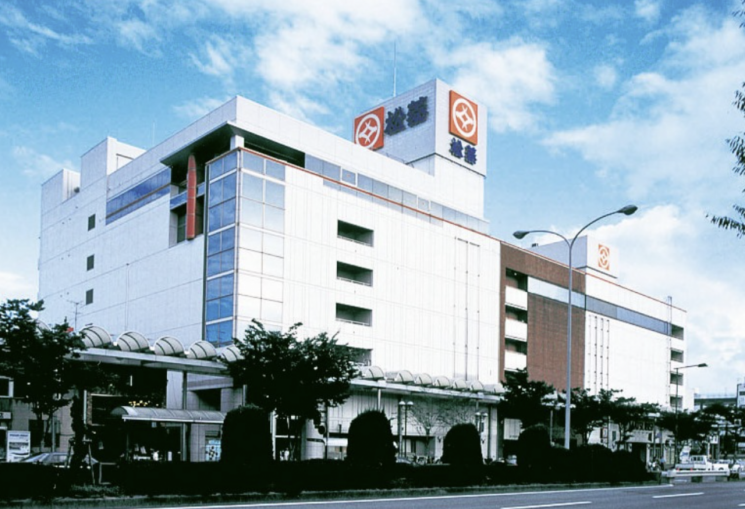
According to the 2023 Japan Department Store Survey Yearbook, among 174 stores operated by 78 companies nationwide, Tsuu Matsubishi Department Store ranked first with 28 annual closed days. The second place was Suzuran Department Store in Takasaki City, Gunma Prefecture (21 days), and third was Tsuruya Department Store in Kumamoto Prefecture (13 days). The difference is even more pronounced compared to Tokyo. Unlike South Korea, where department stores have a regular monthly closing day, Seibu Department Store Ikebukuro Main Store operates year-round without holidays, while Isetan Shinjuku Main Store and Mitsukoshi Nihonbashi Main Store close only once a year.
Tsuu Matsubishi Department Store began increasing its closed days after facing management difficulties in 1993. At that time, the store incurred massive debt during an expansion construction project and underwent rehabilitation procedures in 2003 with support from the government-affiliated Industrial Revitalization Organization. To overcome the crisis, Tsuu Matsubishi hired a president from the large department store chain Daimaru and adopted a strategy to increase sales by significantly reducing closed days.
However, despite the increase in business days, the opposite phenomenon began to occur. As business days increased, the work shifts of sales staff changed from before, leading to customer complaints about "Where did the staff who were always here at this time go?" This criticism arose as the store lost its characteristic close connection with local residents as a regional small-to-medium department store.
In 2003, Tsuu Matsubishi's sales were 8.621 billion yen (approximately 83.9737 billion KRW), but in 2004, when closed days were reduced, sales actually decreased to 8.44 billion yen (approximately 82.21 billion KRW).
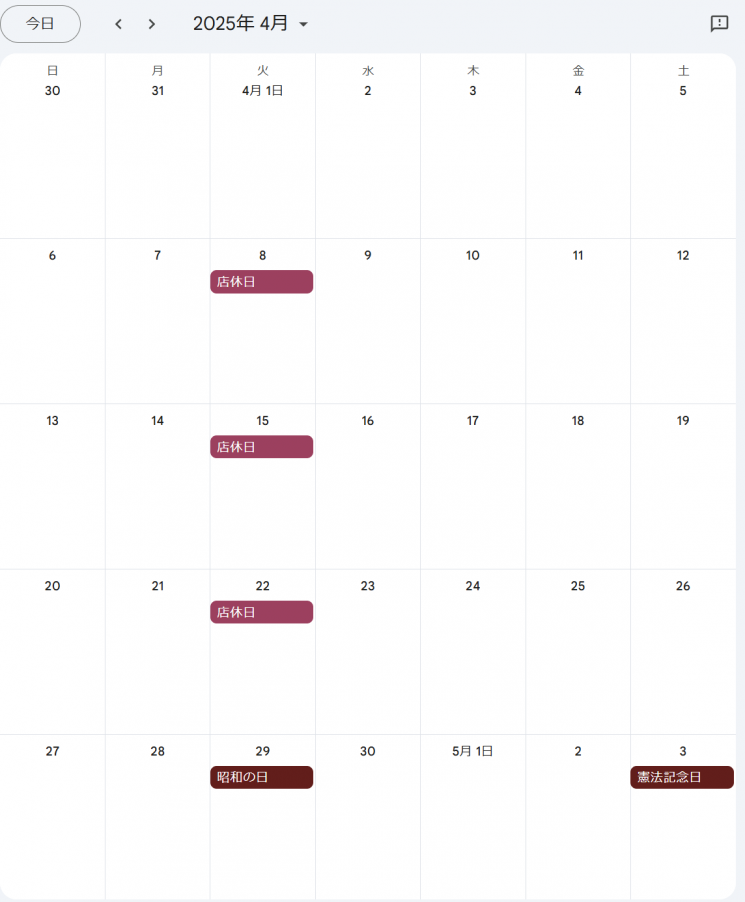 April Tsushima Mitsubishi Closure Notice. There are three regular closure days this month. Tsushima Mitsubishi website.
Subsequently, Tsuu Matsubishi shifted its strategy to prefer closing the entire store so that each customer could be attended to by staff they felt comfortable with, rather than having the store open without such staff present. From 2005, the number of closed days was increased again to 23, and as a result, sales gradually recovered. During the COVID-19 pandemic, closed days were further expanded to 28, and in 2023, just after the pandemic ended, the store achieved operating profit in the black.
The industry evaluates this as a good strategy for regional department stores experiencing an aging customer base. Since regular closed days are frequent, staff do not need to rotate shifts as much, strengthening the relationship between "regular customers and sales staff." Mainichi reported, "Regular customers at department stores have close relationships with sales staff to the extent that they share personal worries and family matters."
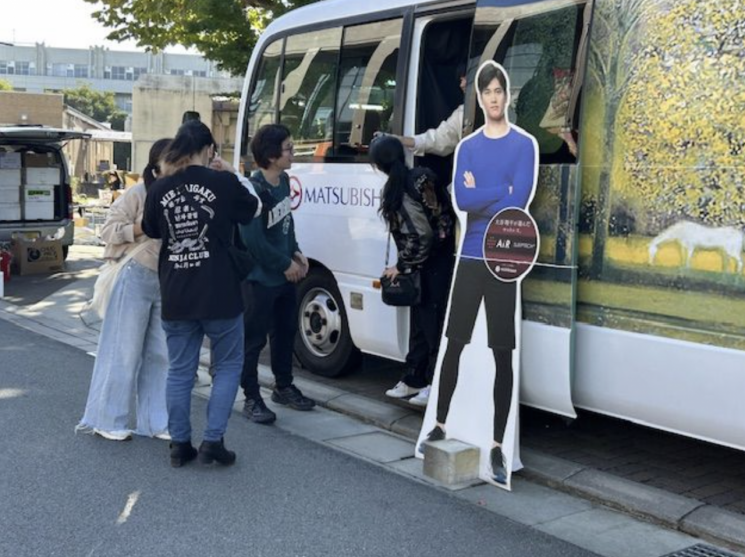
Tsuu Matsubishi is actively leveraging this by expanding into other businesses. In November last year, it started a traveling sales operation using a medium-sized bus to directly transport and sell overseas brand bags, accessories, and paintings in areas without department stores in southern Mie Prefecture and Gifu Prefecture. From December, it also opened a bookstore inside the department store featuring carefully selected books from over 50 publishers nationwide, where customers can discuss related stories with staff while choosing books they like. This upholds the value of face-to-face service amid the rise of non-contact consumption such as e-commerce.
Professor Naozumi Nishimura of Japan University of Economics said, "Unlike cities, regional department stores have fewer customers coming from other areas, and the aging of users is progressing. Without creating new ideas like Tsuu Matsubishi Department Store, it is difficult to survive in the industry."
© The Asia Business Daily(www.asiae.co.kr). All rights reserved.



















