Aiming to Reflect Public Construction Costs More Realistically
Government Revises Guidelines to Ease Industry Burden and Accelerate Projects
The government announced on the 18th that it has implemented a revised version of the 'Total Project Cost Management Guidelines' to reflect price increases in public construction costs more realistically, aiming to ease the burden on the construction industry. The main point of this guideline is the unification of the index used as the price reflection standard to the Construction Investment Gross Domestic Product (GDP) Deflator, making it more favorable to the industry.
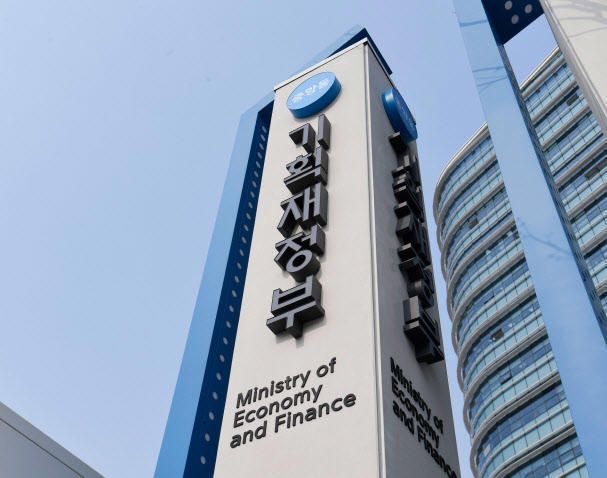
Through this revision, the government expects to accelerate the progress of public construction projects that had been delayed due to soaring construction costs. It is also anticipated to strengthen support for the construction industry, which is currently facing financial difficulties. In fact, based on the revised standard, the government adjusted the total project cost of the 'Gadeokdo New Airport Access Road' project by increasing it by 15.2 billion KRW to 662.1 billion KRW compared to the current amount.
The Total Project Cost Management Guidelines, revised and implemented this year, unify the price reflection standard during voluntary adjustments to the Construction Investment GDP Deflator (the ratio of nominal GDP to real GDP) and include special provisions to support timely progress of public construction projects during periods of raw material price surges. This is a follow-up measure to the 'Measures to Revitalize the Construction Industry' announced at the Economic Ministers' Meeting and the Industrial Competitiveness Enhancement Ministers' Meeting held in December last year.
An official from the Ministry of Economy and Finance explained, "Previously, the lower rate of increase between the Construction Investment GDP Deflator and the Construction Cost Index was applied, but while the Construction Cost Index is highly volatile and has recently been negative, the GDP Deflator shows relatively moderate fluctuations. From the government's perspective, the lower of the two indices should be chosen to reduce construction costs, but the guidelines have been revised to favor the construction industry."
The revised guidelines also include provisions allowing voluntary adjustment of price increases at the detailed design stage for lump-sum bidding projects contracted through negotiated contracts. This is expected to accelerate delayed lump-sum bidding projects under negotiated contracts. The government anticipates that this can be applied to public construction contracts as soon as the related revision of the 'National Contract Act' enforcement decree is completed.
© The Asia Business Daily(www.asiae.co.kr). All rights reserved.

















