As South Korea enters a super-aged society, with more than 20% of the total population being elderly, the generation drawing as much attention as the MZ generation is the “new middle-aged generation” (ages 50 to 64).
The new middle-aged generation, accounting for about 25.2% of the total population, refers to middle-aged individuals who take care of themselves, strive for a happy life, and live youthfully.
According to the 2023 National Leisure Activity Survey, the leisure activities that brought the most satisfaction to the new middle-aged generation were walking and strolling (8.9%), watching TV (8.5%), viewing natural scenic spots and landscapes (6.5%), hiking (5.3%), and golf (5.1%). Most preferred leisure activities involved physical movement, reflecting the new middle-aged generation’s strong interest in health management for themselves.
While dynamic activities such as tennis, running, and climbing are popular among the MZ generation, barefoot walking is emerging as a new trend among the new middle-aged generation.
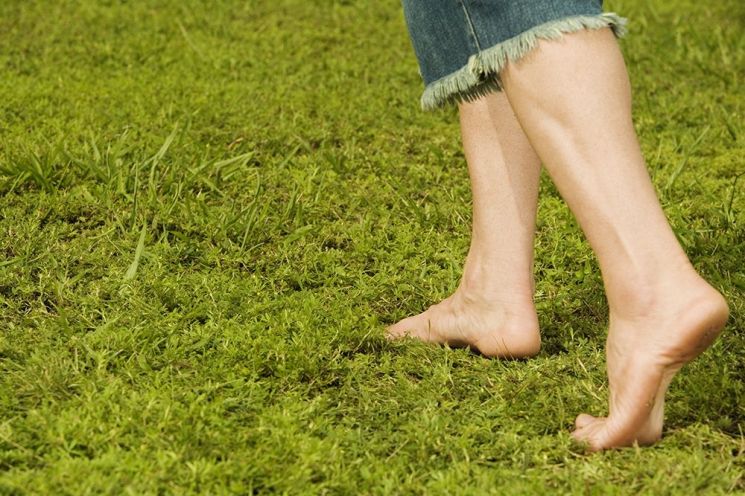
Barefoot walking, which involves stepping directly on natural surfaces such as forests or beaches, is believed to relieve stress through nature’s energy and stimulate the soles of the feet to help with blood circulation, fatigue recovery, and immune system enhancement. While barefoot walking has many positive aspects, there are several precautions to keep in mind.
When walking barefoot, injuries can occur from stones or branches, and there is a risk of exposure to bacteria or viruses, which can cause inflammation or infection. Sometimes, excessive barefoot exercise can stimulate nerves in the soles, leading to discomfort.
Therefore, it is best to practice barefoot walking in safe environments such as parks or beaches designed for this purpose. After walking, feet should be washed thoroughly, dried, and moisturized.
It is also important to check for any wounds or cracks. If you have diabetes or foot diseases, it is advisable to consult your primary physician before attempting barefoot walking.
Since most people usually wear shoes, the muscles and ligaments used during barefoot walking may not be well-developed. It is important to stretch adequately before and after walking, and to approach barefoot walking as a light stroll rather than focusing on the number of steps as with a full workout.
If you have collapsed arches or flat feet, the pressure on the soles may not be distributed evenly, which can put strain on the ankles or knees. Incorrect posture can also negatively affect various joints, so proper caution and preparation are necessary.
Stretching the feet to loosen the muscles is recommended. Initially, try barefoot walking for a short time on soft surfaces rather than hard or cold ones. If there are no problems with your feet, gradually increase the duration. If you experience pain or discomfort, stop immediately and check the condition of your feet.
Yoo Sungho, director of the Foot Center at Daedong Hospital (orthopedic specialist), advised, “The feet play a vital role in daily life, supporting weight, maintaining balance, and absorbing various shocks while walking, standing, and exercising. If foot problems occur, they can affect other joints such as the knees, spine, and hips, leading to postural imbalance or pain. Therefore, even if an exercise is trendy, you should check if it suits you and engage in preventive activities to maintain foot health.”
To maintain foot health, choose shoes that fit your feet, pay attention to foot hygiene, and ensure that your feet are completely dry, including between the toes, before applying moisturizer. Trim your toenails regularly and check for athlete’s foot, wounds, or deformities, seeking appropriate treatment if any abnormalities are found.
Being overweight puts strain on various joints, including the feet, so maintaining a healthy weight is important. Also, regularly perform stretches for the ankles, toes, and soles to strengthen the foot muscles.
If you have foot diseases, choose exercises that put less strain on the feet, such as swimming or cycling, and consult a specialist before starting any exercise if possible.
© The Asia Business Daily(www.asiae.co.kr). All rights reserved.

















